


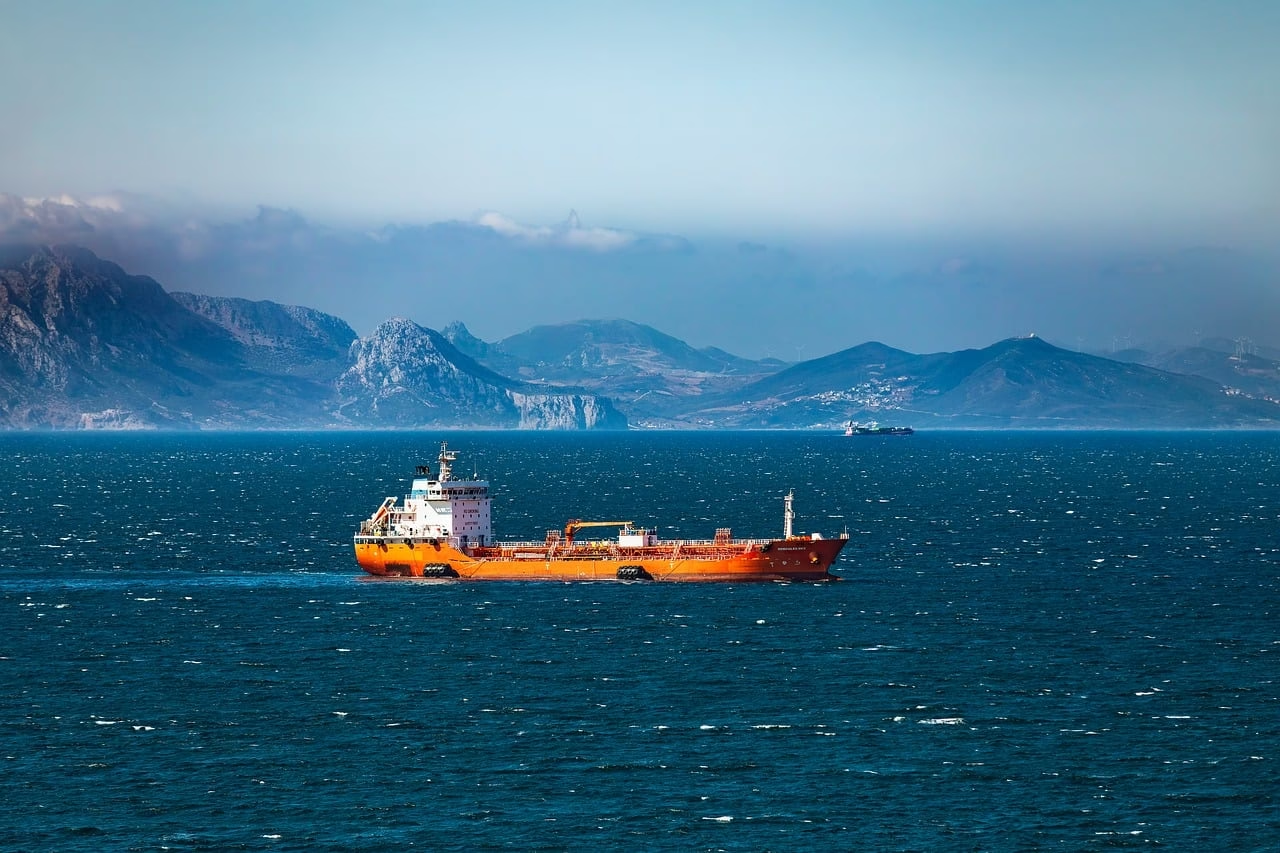
Global oil prices plummeted 20% from their 2026 peak this week as markets reacted to intensifying negotiations regarding a potential ceasefire between the United States and Iran. The sudden shift in momentum, centered on long-standing tensions in the Middle East, has sparked optimism that the critical Strait of Hormuz will remain open for unhindered global energy transit.
The Geopolitical Context of Energy Security
For months, the energy sector has operated under the shadow of a significant supply risk premium as conflict in the region threatened to choke off a vital artery for global crude oil exports. The Strait of Hormuz, which sees roughly 20% of the world’s petroleum consumption pass through its narrow waters daily, has been the focal point of defensive military posturing.
Market analysts have long warned that any physical disruption in this corridor would trigger an immediate and uncontrollable spike in crude prices. The current diplomatic outreach represents a departure from the escalating rhetoric observed throughout the first half of 2026, providing a rare window of relief for energy-importing nations.
Market Dynamics and Price Correction
The 20% slide in benchmark pricing reflects a rapid unwinding of speculative positions that were built on the assumption of prolonged regional instability. Financial institutions report that institutional investors are aggressively rebalancing portfolios to account for a lower risk-adjusted price floor.
“The market is currently pricing in a significant reduction in the probability of a total shutdown of the Strait,” noted senior commodities strategist Elena Vance. “When the risk premium evaporates, the price correction is often swift and indiscriminate, which is exactly what we are seeing across both Brent and West Texas Intermediate contracts.”
Expert Perspectives on Supply Stability
Data from the International Energy Agency (IEA) suggests that while diplomatic progress is promising, the physical supply chain remains tight due to ongoing production quotas maintained by major oil-producing nations. Experts warn that even with a ceasefire, the global market is not necessarily entering a period of surplus.
Energy economists point out that the price drop is primarily driven by sentiment rather than an immediate increase in physical supply. While the threat of blockade has receded, the logistical challenges of rebuilding depleted strategic petroleum reserves may provide a natural buffer against further catastrophic price declines.
Implications for Global Industries
For consumers and industries, the lower price environment offers a reprieve from record-high energy costs that have fueled global inflation. Transportation, manufacturing, and petrochemical sectors stand to benefit most, as lower fuel inputs filter through the supply chain over the coming quarter.
However, the volatility remains a persistent concern for central banks attempting to navigate delicate economic recoveries. If the ceasefire talks stall, analysts expect a rapid reversal of these gains, potentially triggering renewed inflationary pressures.
Looking ahead, market participants are closely monitoring the verification protocols of the proposed ceasefire agreement. Investors will be watching for any signs of renewed naval activity or shifts in regional military deployments, as these will serve as the primary indicators of whether the current downward price trend can be sustained through the end of the year.






















Leave a Reply