


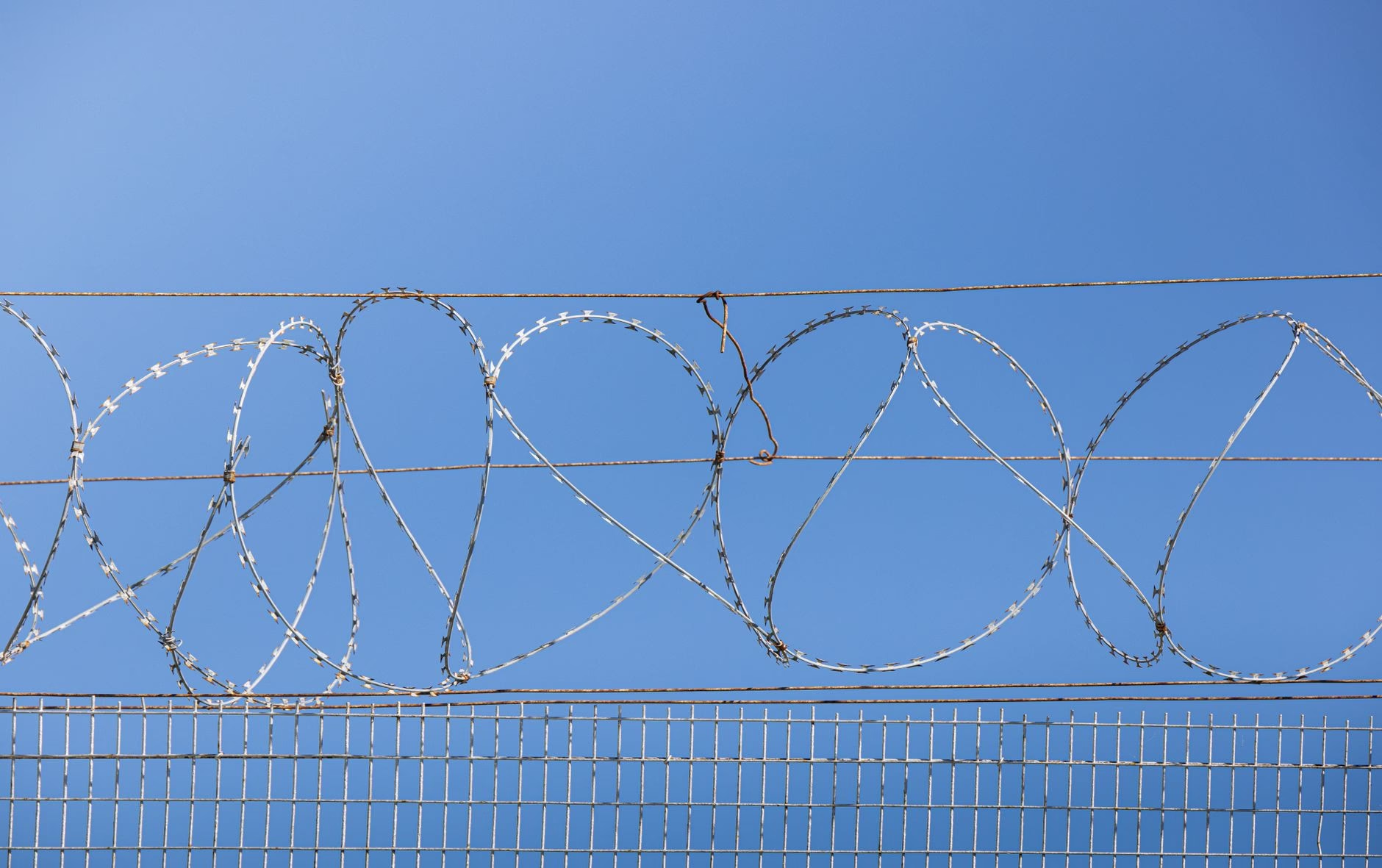
The security landscape along the Korean Demilitarized Zone has grown increasingly precarious, drawing intense scrutiny from international security experts. Recent shifts in operational posture and direct rhetoric from Pyongyang have heightened anxieties regarding regional stability on the peninsula.
Understanding the Demilitarized Zone Dynamics
The Demilitarized Zone has long served as one of the most heavily fortified borders in the world. For decades, a fragile armistice has kept active hostilities at bay, yet the buffer zone remains exceptionally volatile. Observers note that recent tactical adjustments and a noticeable rise in provocative statements indicate a departure from standard diplomatic messaging, signaling a need for heightened vigilance among neighboring nations and global allies.
Expert Perspectives on Recent Statements
Long-time specialists monitoring regional affairs emphasize that recent warnings issued by North Korean leadership carry significant weight. Rather than dismissing these announcements as routine rhetoric, veteran researchers point to subtle shifts in policy and military readiness. This analytical perspective suggests that current developments could precede a more permanent alteration in how the two nations manage their shared border.
Implications for Regional Stability
The escalation of friction directly impacts the security calculus of South Korea and its international partners, particularly the United States. Enhanced military readiness and intelligence sharing are becoming top priorities as defense officials evaluate potential scenarios. The international community continues to monitor diplomatic channels closely, hoping to prevent any miscalculation that might destabilize the broader East Asian region.
Path Forward and Diplomatic Challenges
Navigating this renewed period of instability requires a delicate balance of deterrence and open communication. As military exercises continue and rhetoric intensifies, finding a diplomatic off-ramp remains a critical objective for policymakers. The coming months will likely test the resilience of regional security frameworks and the adaptability of international diplomatic strategies.



















Leave a Reply