


Aviation Safety in Modern Travel
Air travel remains statistically the safest mode of transportation in the world. However, passengers occasionally face unexpected and alarming situations while airborne. Recent events stretching from Nevada to South America have brought renewed attention to the critical moments when safety protocols are tested at thirty thousand feet.
The Lima Incident
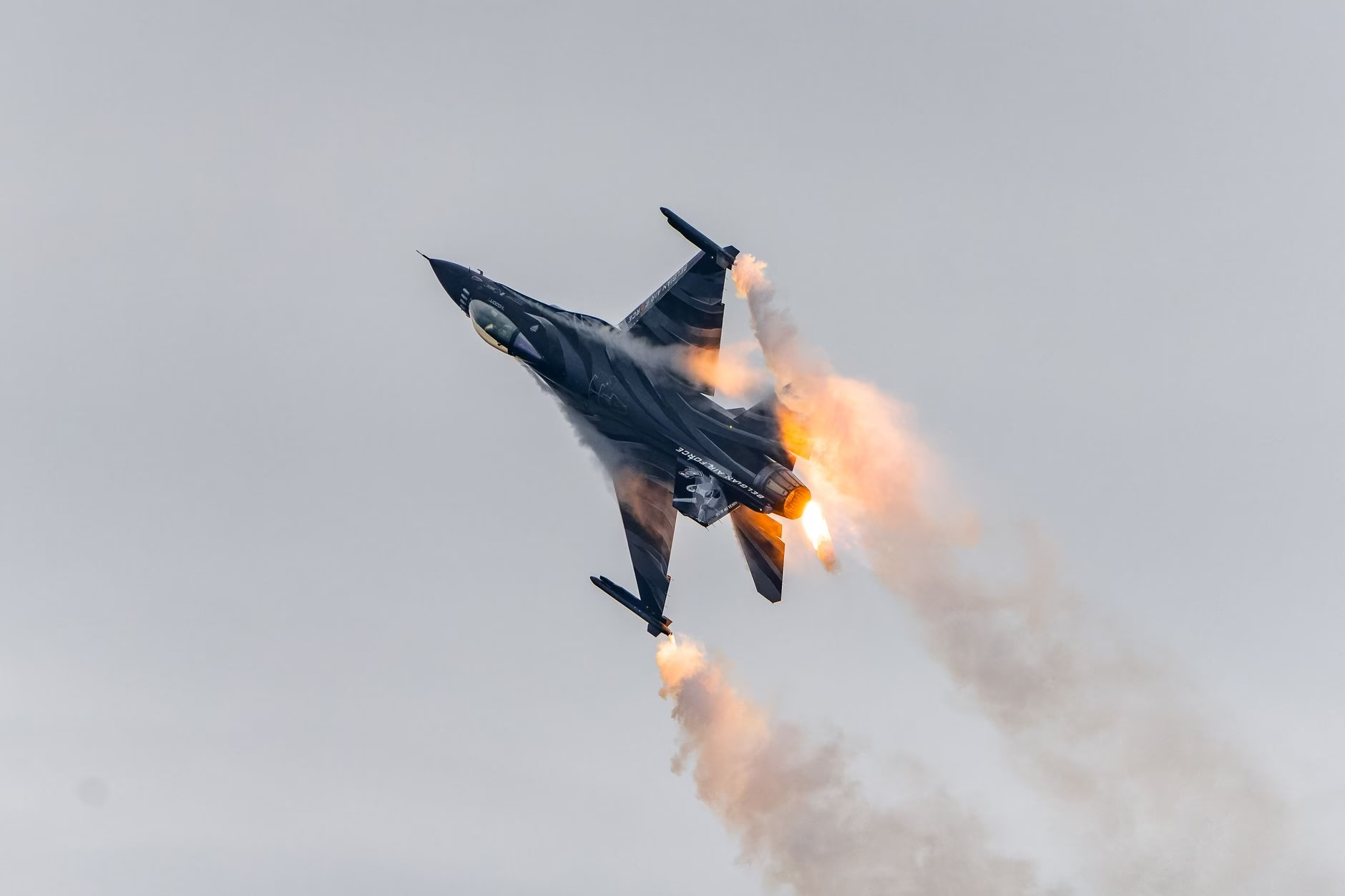
A particularly concerning event recently unfolded on a flight departing from Lima, Peru. Passengers and crew experienced a sudden and frightening in-flight emergency when an engine fire broke out shortly after takeoff. The unexpected crisis demanded immediate action from the flight deck to ensure the safety of everyone on board.
Activating Safety Protocols
When faced with an engine fire, flight crews must rely on rigorous training and established safety protocols. In the case of the Lima departure, the pilot quickly initiated emergency procedures. This swift activation is designed to contain threats, communicate with air traffic control, and return the aircraft safely to the departure airport.
The Role of Flight Crews
Cabin crew members play a vital role during any airborne emergency. Their primary responsibility is to keep passengers calm, manage cabin safety, and prepare the aircraft for an expedited landing. Professional training ensures that panic is minimized and evacuation procedures can be executed flawlessly if required.
Global Aviation Standards
Incidents occurring across different regions, whether in Nevada or Peru, highlight the universal nature of aviation safety standards. Regulatory bodies around the world continuously review these events to improve aircraft design, maintenance schedules, and pilot training programs.
Conclusion
While dramatic in-flight emergencies are rare, they serve as a stark reminder of the unpredictable nature of travel. Thanks to stringent safety protocols, advanced technology, and well-trained aviation professionals, most of these harrowing events conclude safely on the ground.





















Leave a Reply