


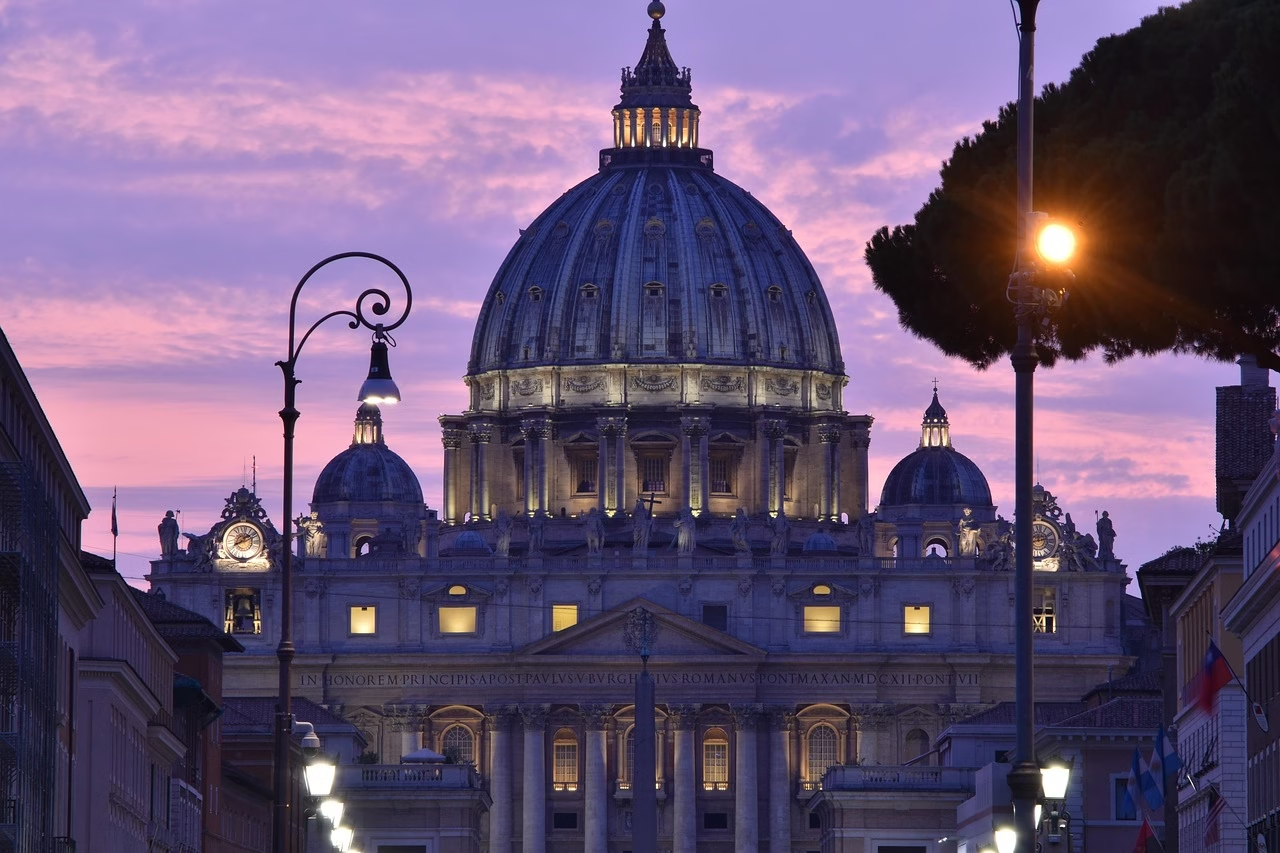
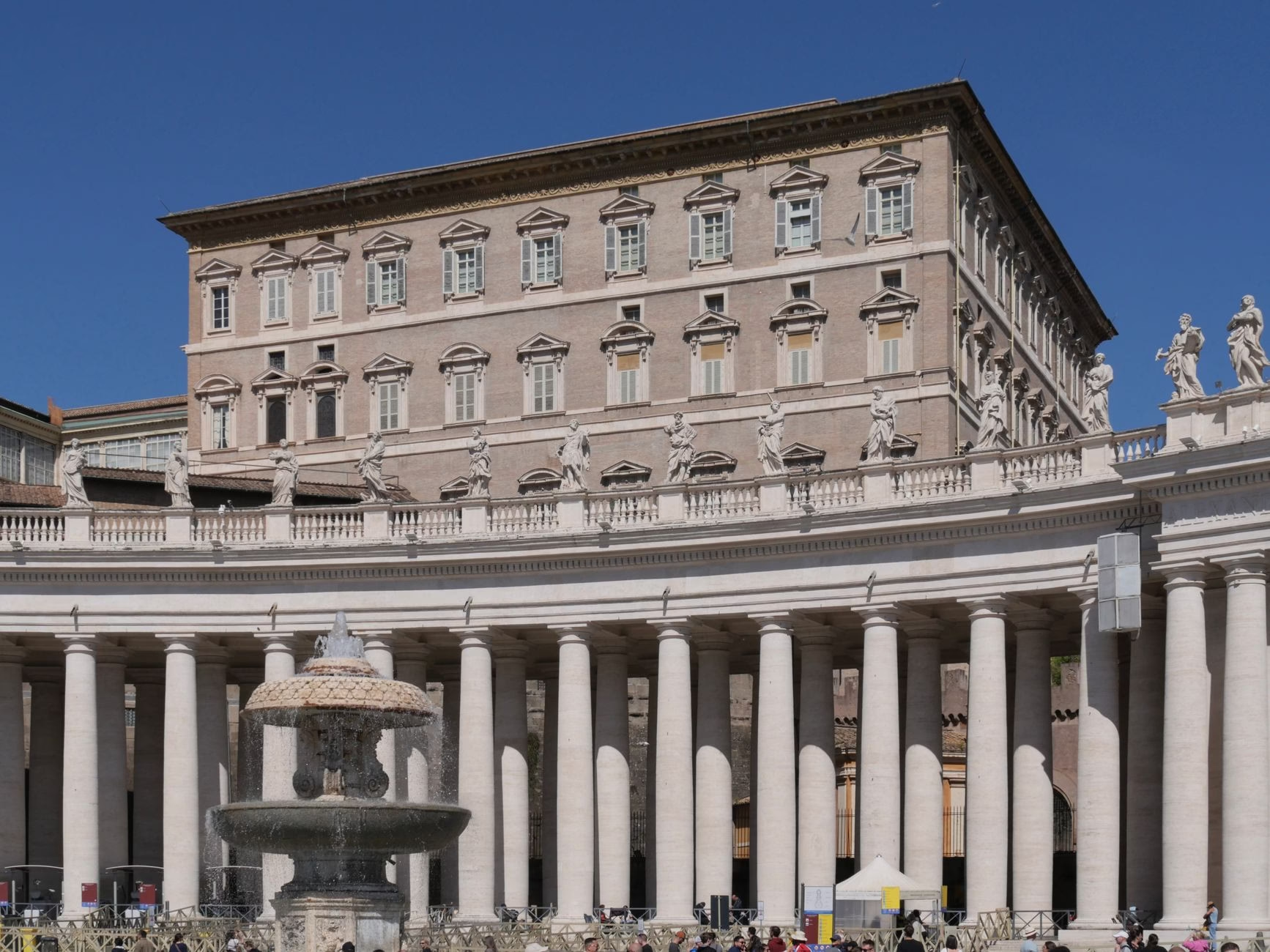
Vatican City – Pope Leo XIV issued a stark warning this week, urging a global pause on the rapid advancement of artificial intelligence, which he attributes to exacerbating conflicts worldwide. Speaking from the Vatican, the Pope implored international leaders and technologists to reconsider the unchecked proliferation of AI, citing its potential to destabilize global security and human society.
Context: The Accelerating AI Landscape
The call comes at a time of unprecedented acceleration in artificial intelligence development. From sophisticated algorithms driving financial markets to autonomous systems in military applications, AI’s integration into daily life and critical infrastructure is deepening. This rapid evolution has sparked widespread debate about ethical boundaries, societal impact, and regulatory oversight.
Recent years have seen significant breakthroughs in areas like natural language processing, machine learning, and computer vision. These advancements have led to AI tools capable of complex decision-making, creative generation, and even strategic planning, raising concerns among ethicists and policymakers about their potential misuse.
Pope’s Concerns Over AI’s Role in Conflict
Pope Leo XIV articulated his deep reservations, suggesting that AI is not merely a tool but an active agent contributing to the escalation of tensions. He pointed to the increasing use of AI in autonomous weapons systems, cyber warfare, and sophisticated disinformation campaigns as primary drivers of this concern.
The Pontiff highlighted that AI-powered systems can process information and execute actions at speeds far exceeding human capabilities, potentially leading to rapid and uncontrollable escalations of conflict. The dehumanizing aspect of AI in warfare, where decisions of life and death could be delegated to machines, was also a significant point of emphasis.
Furthermore, the Pope expressed worry about AI’s role in amplifying societal divisions through personalized content algorithms that can create echo chambers and spread misinformation, thereby fueling polarization and distrust among populations.
Expert Perspectives and Data
The Vatican’s concerns echo sentiments voiced by various experts and international bodies. Dr. Evelyn Reed, a leading AI ethicist at the Global Institute for Technology and Ethics, commented, “The Pope’s message is a vital reminder that technological progress must be guided by human values and a commitment to peace. We are seeing AI being deployed in ways that concentrate power and potentially bypass human oversight, which is inherently risky.”
Data from the Stockholm International Peace Research Institute (SIPRI) indicates a rising trend in the development and discussion of lethal autonomous weapons systems (LAWS). While specific deployment figures are often classified, the sheer volume of research and investment in this area signals a growing integration of AI into military strategies.
Concerns about AI-driven disinformation campaigns are also substantiated by reports from cybersecurity firms, which have documented sophisticated operations using AI to generate fake news and manipulate public opinion during sensitive political periods.
Implications for Global Society and Technology
Pope Leo XIV’s appeal for a slowdown signifies a critical juncture for the AI industry and global governance. It calls into question the prevailing narrative of relentless technological progress and emphasizes the need for a more cautious, ethically grounded approach.
For governments, this means a renewed urgency to establish international treaties and regulatory frameworks governing AI development and deployment, particularly in military contexts. The challenge lies in achieving global consensus on such complex issues while respecting national security interests.
For technology companies, the Pope’s words serve as a moral imperative to prioritize safety, transparency, and ethical considerations over rapid market penetration. It suggests a potential shift in industry focus towards developing AI that serves humanity’s best interests, rather than solely pursuing maximum efficiency or capability.
Looking Ahead: The Path to Responsible AI
The coming months will likely see increased diplomatic efforts and public discourse surrounding AI regulation. Observers will be watching to see if the Vatican’s strong stance can catalyze concrete international action to curb the development of AI applications that pose significant risks to global peace and stability. The debate over whether to pause, regulate, or continue unhindered AI advancement is set to intensify, with profound implications for the future of warfare, society, and human interaction.


















Leave a Reply