


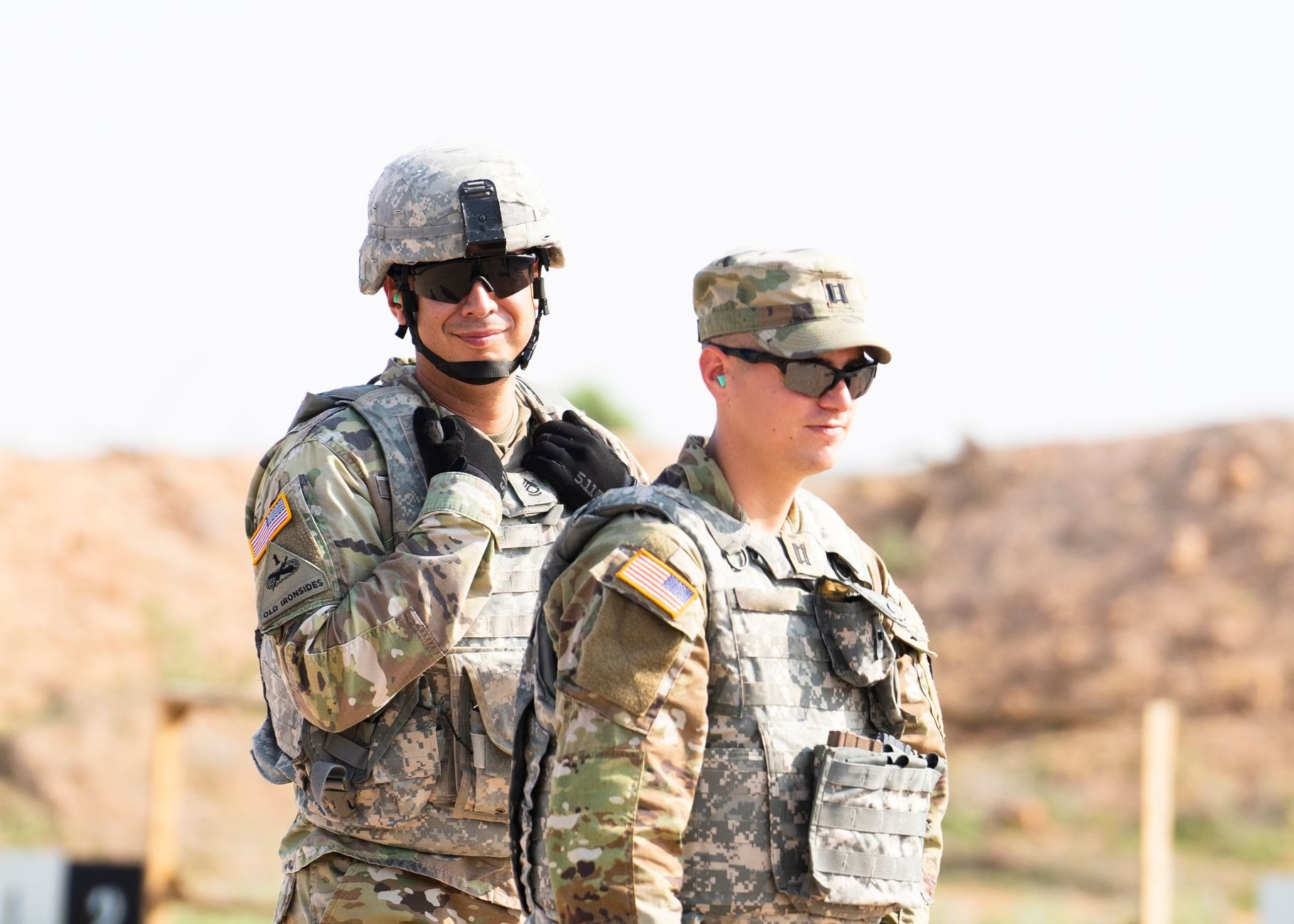
The final contingent of American service members tasked with combating the Islamic State group in Iraq departed the nation recently, marking the formal conclusion of a military campaign that successfully dismantled the extremist organization’s territorial claims. This milestone brings a definitive chapter in Middle Eastern security operations to a close, yet it simultaneously introduces profound uncertainty regarding the geopolitical equilibrium of the region.
The Evolution of the Anti-ISIS Campaign
Launched years ago to halt the violent territorial expansion of the extremist group across Iraq and Syria, the international coalition led by the United States achieved its primary objective of breaking the self-declared caliphate. Over successive years, military efforts shifted from direct combat operations toward advising, assisting, and enabling local Iraqi security forces. The gradual reduction of military personnel reflected improvements in the capabilities of indigenous forces to handle domestic security challenges independently.
However, the complete departure of these remaining forces has triggered immediate discussions among military analysts and political observers concerning the long-term stability of the country. While Iraqi authorities maintain confidence in their national defense apparatus, foreign policy experts warn that removing the external security anchor could leave local forces vulnerable to a resurgence of insurgent cells operating in remote desert and mountainous terrains.
Growing Security Anxieties and Regional Dynamics
The timing of this military withdrawal coincides with heightened tensions across the broader Middle East. Ongoing conflicts and military friction involving neighboring Iran have created a volatile environment. Strategic analysts note that the departure of American forces removes a significant counterweight to external influences, potentially allowing regional actors to expand their political and military footprint within Iraqi borders.
Kurdish authorities in northern Iraq have expressed distinct apprehension regarding the evolving security landscape. The region has historically relied on a delicate balance of international support to maintain stability and protect autonomous governance. Without a foreign military presence to help mediate regional disputes and deter aggressive posturing from rival factions, local leaders fear renewed instability that could threaten hard-fought security gains.
Looking Ahead at Iraq’s Strategic Future
As the nation steps into a new era of independent defense management, the focus shifts toward diplomatic engagement and economic development. Strengthening institutional resilience and fostering regional cooperation will be critical components for maintaining peace. The success of this transition depends heavily on the ability of the central government in Baghdad to unify disparate political factions and secure its borders against lingering extremist threats without relying on external combat boots on the ground.


















Leave a Reply