


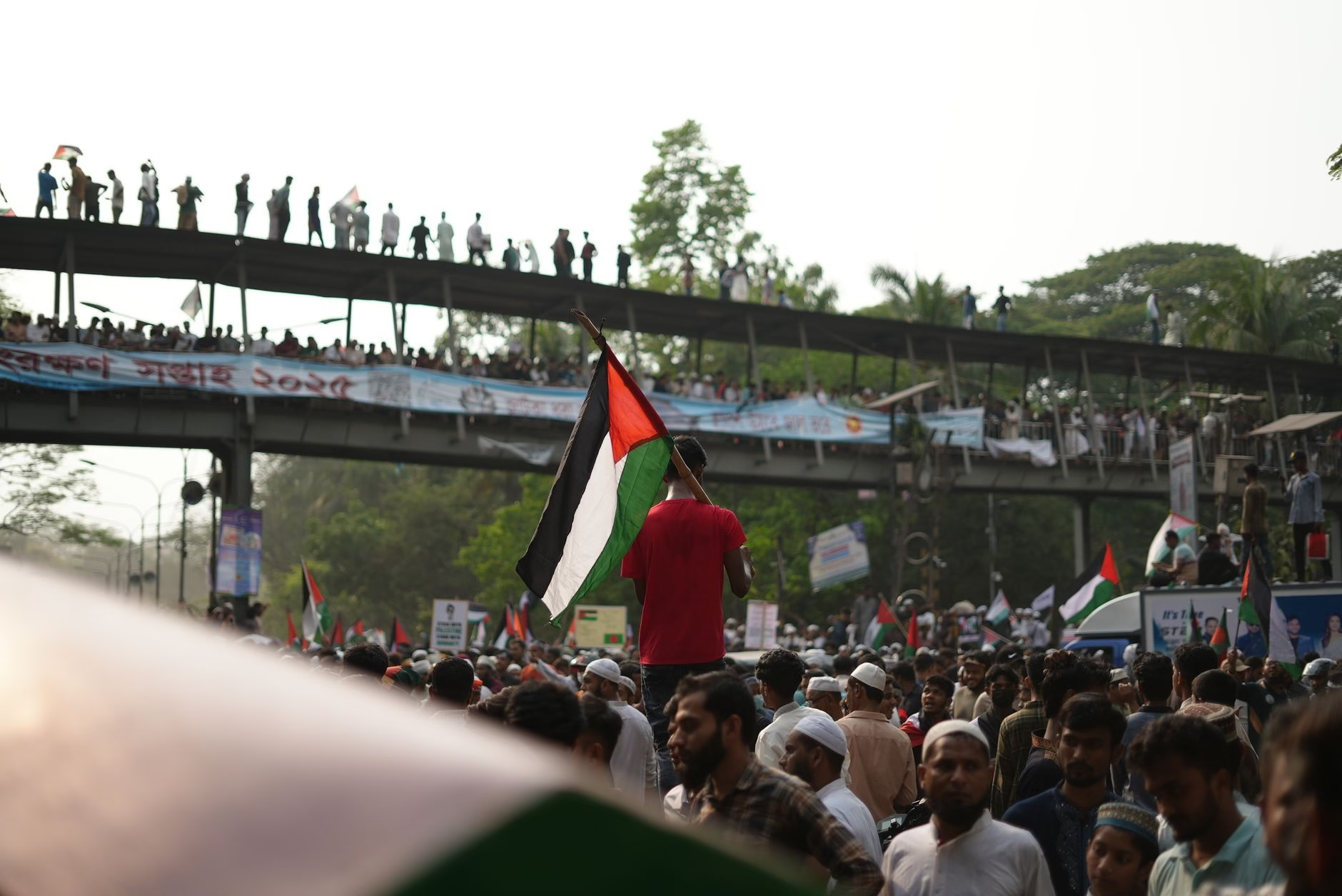
Humanitarian Concerns Rise One Year Later
Twelve months following the announcement of a regional truce, humanitarian organizations operating in the region report that the agreement exists entirely in name only. Continuous military operations and frequent bombardments have rendered the diplomatic breakthrough largely ineffective on the ground for millions of civilian residents.
The human cost of the ongoing violence continues to accumulate daily. Young children, families, and vulnerable populations bear the heaviest burden of the persistent conflict, often finding themselves displaced multiple times as residential areas face recurring military action.
Displacement And The Struggle For Shelter
Among those affected is eight-year-old Muhammad al-Shakhrit, whose family lost their residence in Rafah due to military strikes early in the conflict. Forced to relocate to a makeshift coastal encampment, his story reflects the harsh realities faced by a massive displaced population struggling with inadequate infrastructure and severe shortages of basic necessities.
Humanitarian agencies emphasize that temporary shelters offer little protection against the elements or ongoing security risks. Access to clean water, proper sanitation, and medical care remains severely restricted across the enclave, complicating recovery efforts and deepening the humanitarian crisis.
Aid Delivery Obstacles
Despite international calls for unimpeded humanitarian access, relief organizations report persistent bottlenecks in delivering critical supplies. Border restrictions, security vetting procedures, and damaged transportation routes continue to hamper the flow of food, medicine, and fuel into the affected zones.
Medical facilities operate under extreme duress, lacking essential pharmaceuticals and equipment to treat the influx of injured individuals. Healthcare workers warn that the collapse of basic services poses severe public health risks that could affect generations to come.
The Path Toward Lasting Stability
Diplomatic efforts to breathe new life into the stalled peace process face immense challenges as mutual distrust persists between the primary parties involved. International mediators continue pushing for renewed dialogue to secure a genuine cessation of hostilities and establish a reliable framework for reconstruction.
Without strict adherence to international agreements and sustained political will from global leaders, humanitarian advocates fear that the situation will deteriorate further. Ensuring the protection of civilians and the unhindered delivery of relief remains an urgent priority for the international community as the crisis extends past its first anniversary.















Leave a Reply