


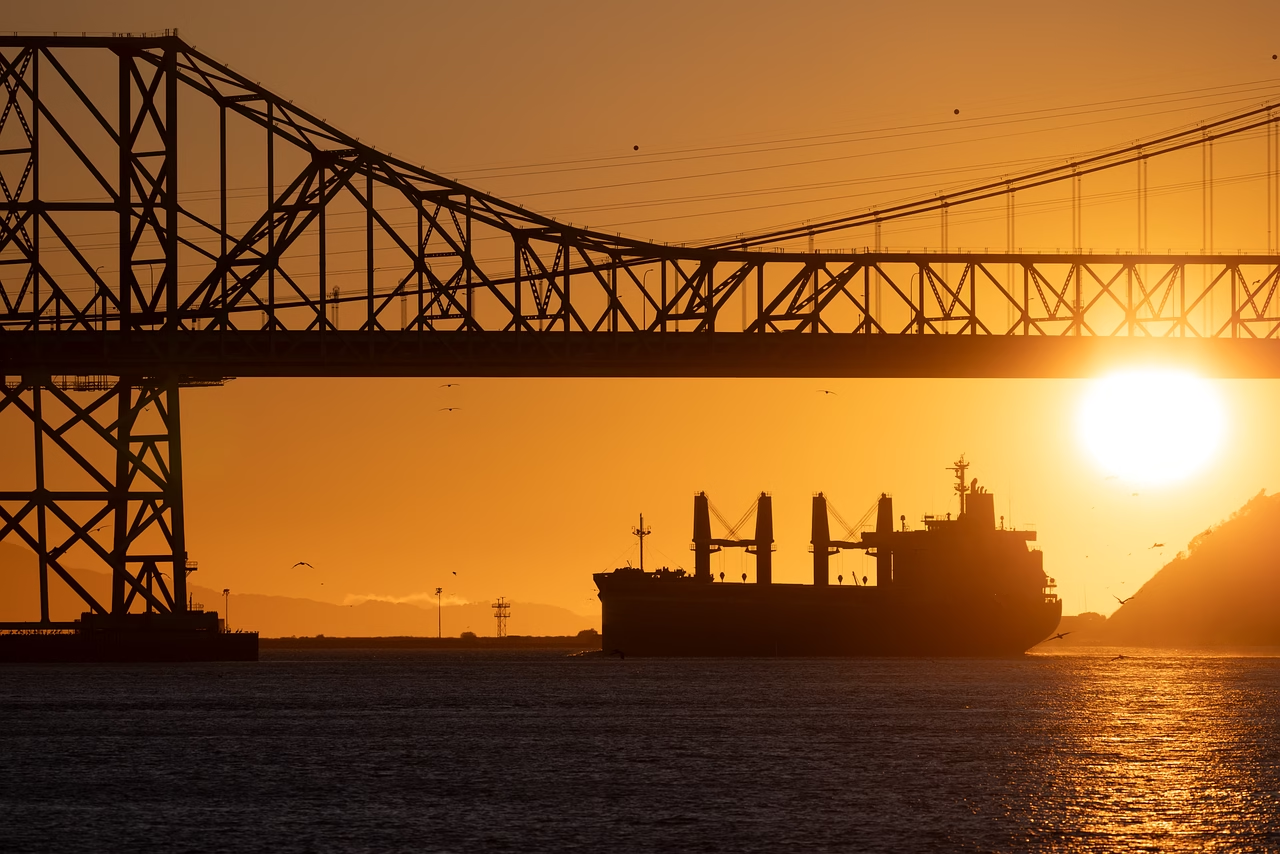
A potential diplomatic breakthrough involving former U.S. President Donald Trump could lead to the reopening of the Strait of Hormuz, a vital chokepoint for global oil shipments. This development, if successful, offers a glimmer of hope for consumers worldwide, including Canadians, who have been grappling with elevated gasoline prices due to the disruption of this critical maritime route amidst escalating geopolitical tensions in the Middle East.
Context: The Strategic Importance of the Strait of Hormuz
The Strait of Hormuz, a narrow waterway connecting the Persian Gulf to the Gulf of Oman, is one of the world’s most crucial maritime arteries. Approximately one-third of the world’s seaborne oil trade passes through this strategic passage daily.
Recent escalations in regional conflicts have led to heightened risks for commercial shipping in and around the strait. This has caused significant volatility in global oil markets, with supply concerns pushing prices upward.
Negotiations and a Diplomatic Opening
Details surrounding the alleged imminent deal remain scarce, but reports suggest that former President Trump has been engaged in discussions with key regional players. The nature of these discussions and the specific terms of any potential agreement are not yet public.
However, the involvement of a high-profile figure like Trump, who previously served as U.S. President, signals a potentially significant diplomatic effort to de-escalate tensions and restore stability to a critical global supply line.
The Strait of Hormuz has been a focal point of geopolitical maneuvering for decades, with its security directly impacting global energy markets. Any disruption here has immediate and far-reaching economic consequences.
Impact on Global Oil Prices and Consumers
The disruption of oil flows through the Strait of Hormuz has been a major contributing factor to the recent surge in global oil prices. This has translated into higher costs at the pump for consumers in many countries.
For instance, Canadians have experienced a noticeable increase in gasoline prices, impacting household budgets and contributing to broader inflationary pressures. A successful reopening of the strait could alleviate some of this price pressure.
According to the U.S. Energy Information Administration (EIA), disruptions in major shipping lanes can lead to significant price spikes as traders price in the increased risk and potential for supply shortages.
Expert Perspectives on the Potential Deal
Energy analysts are cautiously optimistic about the news, emphasizing that the devil will be in the details of any agreement. “The Strait of Hormuz is the Achilles’ heel of global oil supply,” stated Dr. Anya Sharma, an international energy security expert at the Global Policy Institute. “Any measure that ensures its continued free flow is beneficial for market stability.”
However, she cautioned that “past diplomatic efforts in the region have been complex and fragile. The sustainability of any deal will depend on the commitment of all parties involved and the broader geopolitical climate.”
Data from the International Energy Agency (IEA) consistently highlights the Strait of Hormuz’s critical role, with figures showing that approximately 20% of global petroleum liquids consumption transited through the strait in recent years.
Broader Geopolitical Implications
Beyond economic impacts, the security of the Strait of Hormuz has significant geopolitical ramifications. Its stability is crucial for regional security and international maritime law.
A successful diplomatic resolution could signal a broader thaw in regional tensions, potentially easing other related conflicts and fostering a more stable environment in the Middle East.
What to Watch Next
The primary focus will be on the specifics of the reported deal and the verification of its implementation. Observers will be closely monitoring shipping traffic through the Strait of Hormuz for any signs of increased activity or reduced risk premiums in oil futures markets.
Further engagement from regional powers and international bodies will be crucial in ensuring the long-term viability of any agreement. The market’s reaction, particularly any sustained dip in oil prices, will provide an early indication of confidence in the diplomatic progress.
















Leave a Reply