


The Mechanics of Coercion
Intelligence reports and human rights investigations reveal a widespread operational strategy within detention facilities. Thousands of Ukrainian service members and civilians captured during the conflict have faced severe pressure to participate in recorded statements. These sessions are carefully orchestrated by authorities to project specific narratives to domestic and international audiences.
During these recordings, captives are typically forced to read statements denouncing their political leadership, military commanders, and the Ukrainian state itself. The psychological and physical environment in these facilities leaves individuals with very few options when facing demands from their captors. Compliance is often presented as the only route to mitigating immediate mistreatment or securing better conditions.
The Production and Distribution of Propaganda
Once recorded, these media assets are systematically distributed across various digital platforms, including state-backed television channels and popular messaging applications. The primary objective is to demoralize the Ukrainian public, sow distrust in the national government, and influence international perceptions regarding the ongoing conflict.
Digital forensics and researchers tracking the spread of disinformation note that these clips are weaponized in information warfare campaigns. By utilizing human subjects in compromised positions, creators of this content attempt to lend a false sense of legitimacy to their strategic narratives. The rapid dissemination of these materials highlights the organized nature of these psychological operations.
Long-Term Consequences for Captives
The impact of these forced appearances extends far beyond the initial broadcast. For those who eventually return home through prisoner exchanges, the digital footprint of their coerced statements can create severe social, professional, and psychological challenges.
Communities and peers may misunderstand the circumstances under which these statements were made, leading to stigma or suspicion. Furthermore, intelligence agencies often must vet returning individuals to ensure that their actions under duress did not compromise operational security, adding another layer of trauma to an already arduous repatriation process.
Resisting and Countering Disinformation
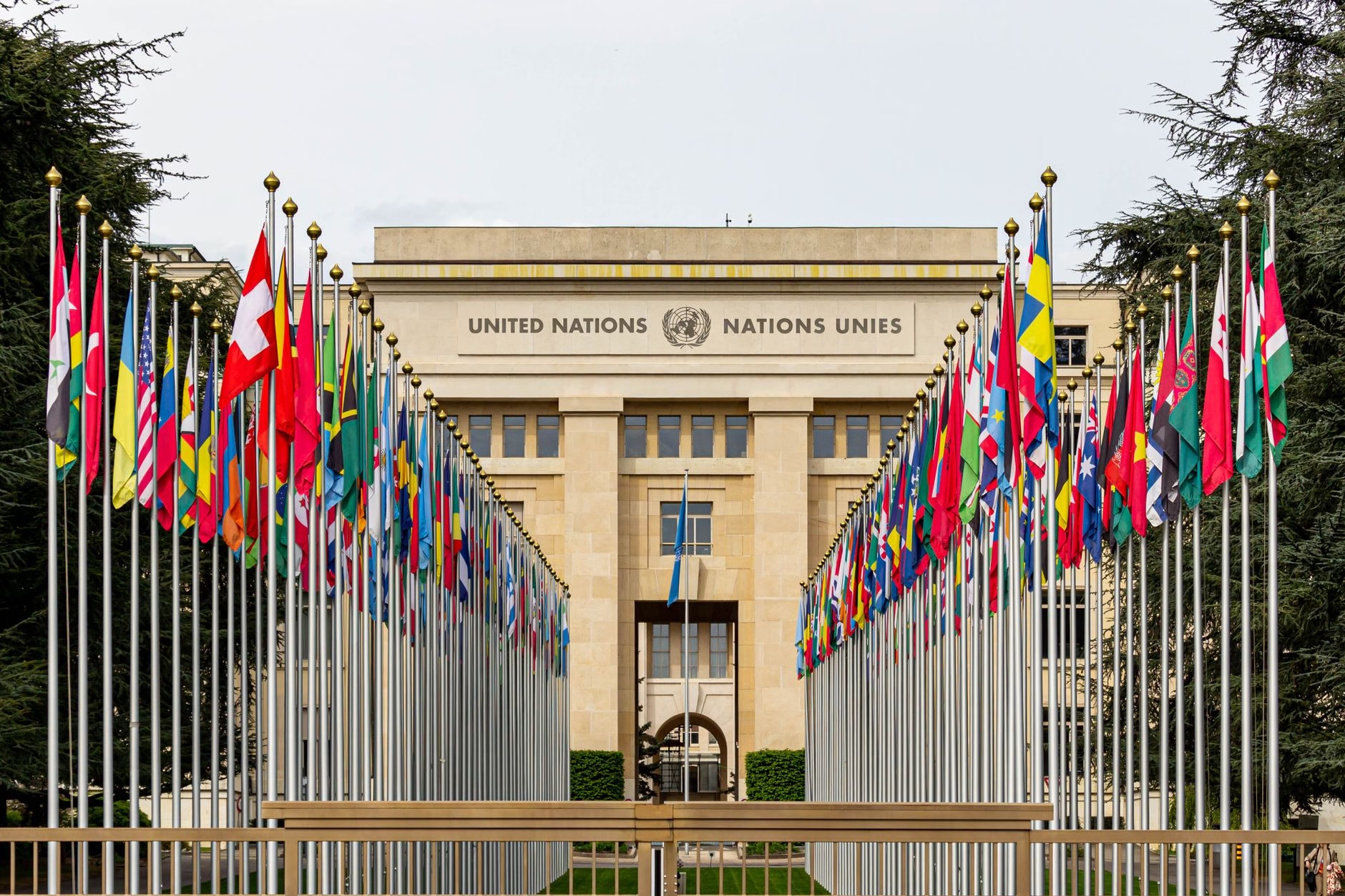
International organizations and human rights advocates continue to document these practices as violations of international humanitarian conventions, which explicitly prohibit the public display and humiliation of prisoners of war.
By raising awareness about the coercive tactics used to generate this media, experts hope to inoculate the public against manipulative messaging. Recognizing these videos as products of duress helps neutralize their intended psychological impact and holds accountable those responsible for orchestrating these systematic information campaigns.




















Leave a Reply