


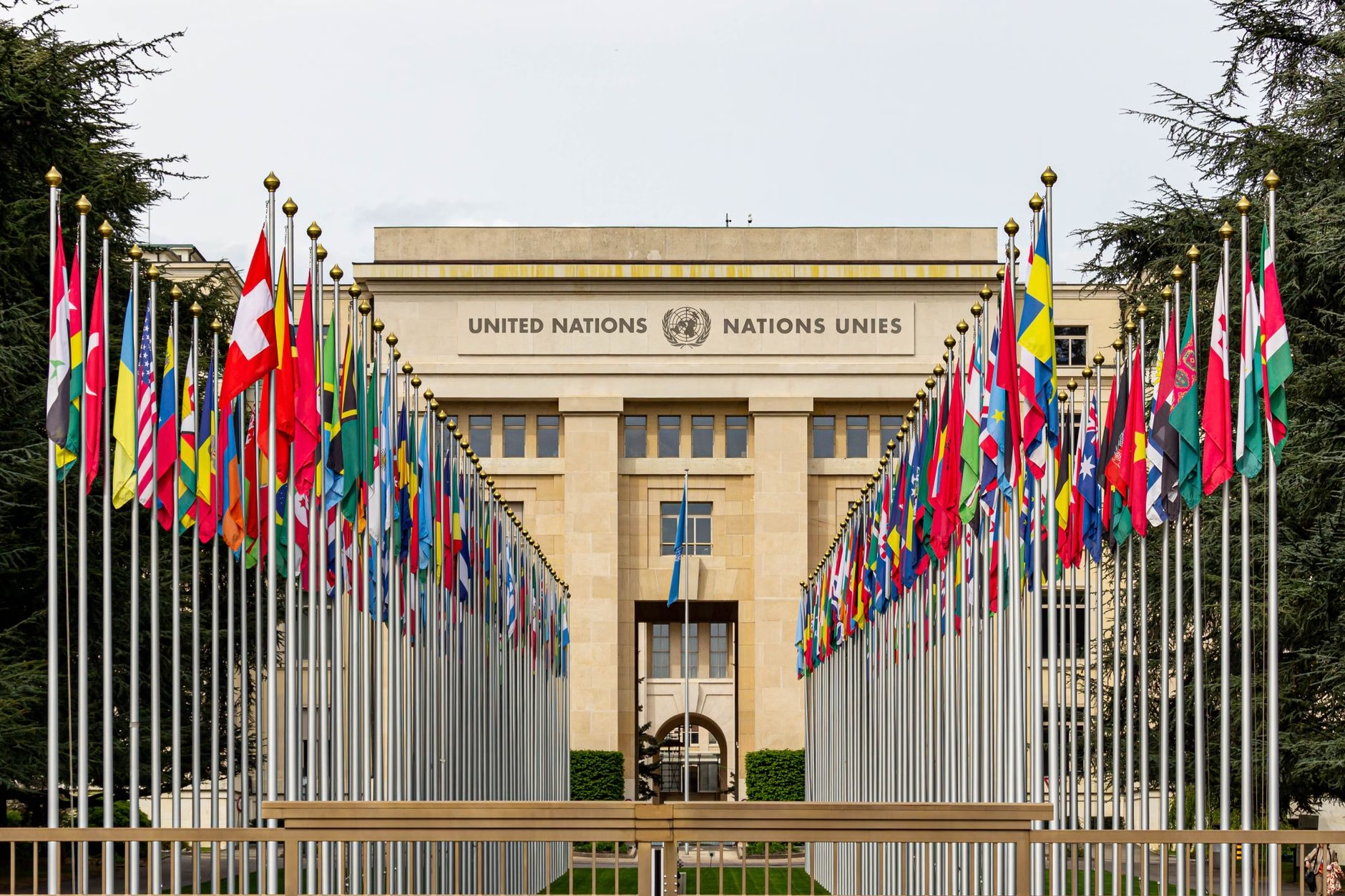
President Donald Trump is scheduled to deliver a major address before the United Nations General Assembly in New York City on Tuesday. The upcoming speech comes at a critical juncture for international diplomacy, as regional instability and the ongoing conflict involving Iran remain pressing global concerns.
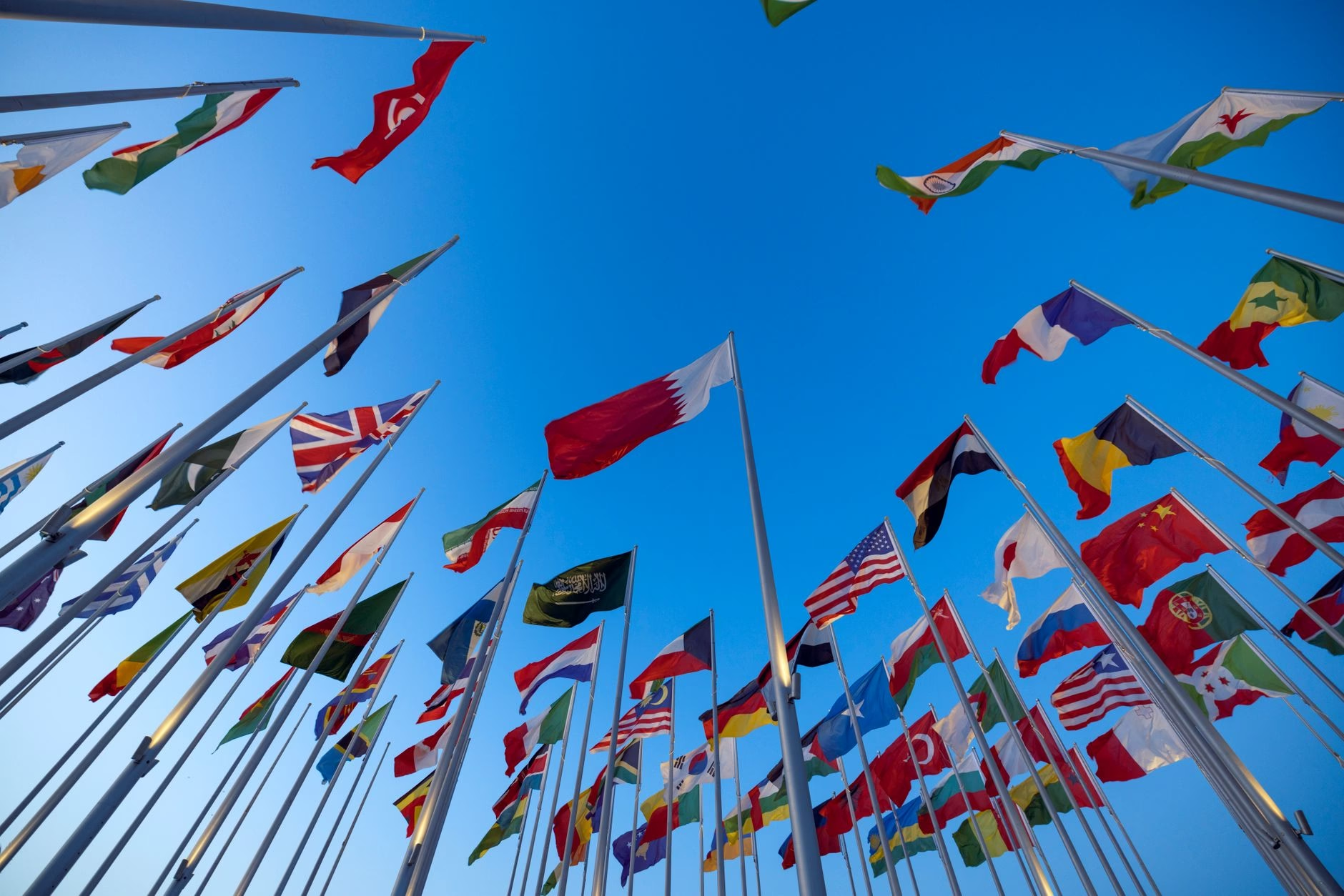
The annual gathering of world leaders at the United Nations serves as a central platform for international dialogue, policy declarations, and diplomatic positioning. Attendees from across the globe gather to discuss urgent security challenges, economic cooperation, and strategies for resolving protracted armed conflicts.
Background on the Iran Conflict
The ongoing tensions involving Iran have dominated geopolitical discussions for an extended period. Ongoing military actions, economic sanctions, and strategic maneuvering by regional and global powers have created a volatile atmosphere.
Diplomatic efforts to de-escalate the situation have faced numerous obstacles. Observers closely monitor how major global players navigate these complex security dynamics without triggering a wider regional escalation.
Expectations for the United Nations Address
During his address at the global body, the American leader is expected to outline his administration’s foreign policy priorities. Key themes likely to be addressed include national security, international trade, and strategies to counter perceived threats in the Middle East.
Diplomatic analysts suggest that the speech will be closely scrutinized by foreign governments seeking clarity on future American foreign policy decisions. The remarks could signal potential shifts in diplomatic strategy or reinforce existing positions regarding regional adversaries.
Global Reaction and Diplomatic Engagement
International responses to upcoming high-level speeches at the United Nations are typically diverse. Allies and adversaries alike evaluate the rhetoric to gauge potential policy implementations and adjust their own diplomatic postures accordingly.
As world leaders convene in New York City, bilateral meetings on the sidelines of the General Assembly often provide opportunities for closed-door negotiations. These private discussions frequently yield critical breakthroughs or solidify alliances on pressing security matters.
Looking Ahead
The situation involving Iran and broader Middle Eastern stability remains fluid. The address at the United Nations General Assembly marks a significant moment for international communication on these critical issues.
Stakeholders worldwide will continue to monitor diplomatic developments following the speech to assess the trajectory of international relations and security policy in the months ahead.
















Leave a Reply