


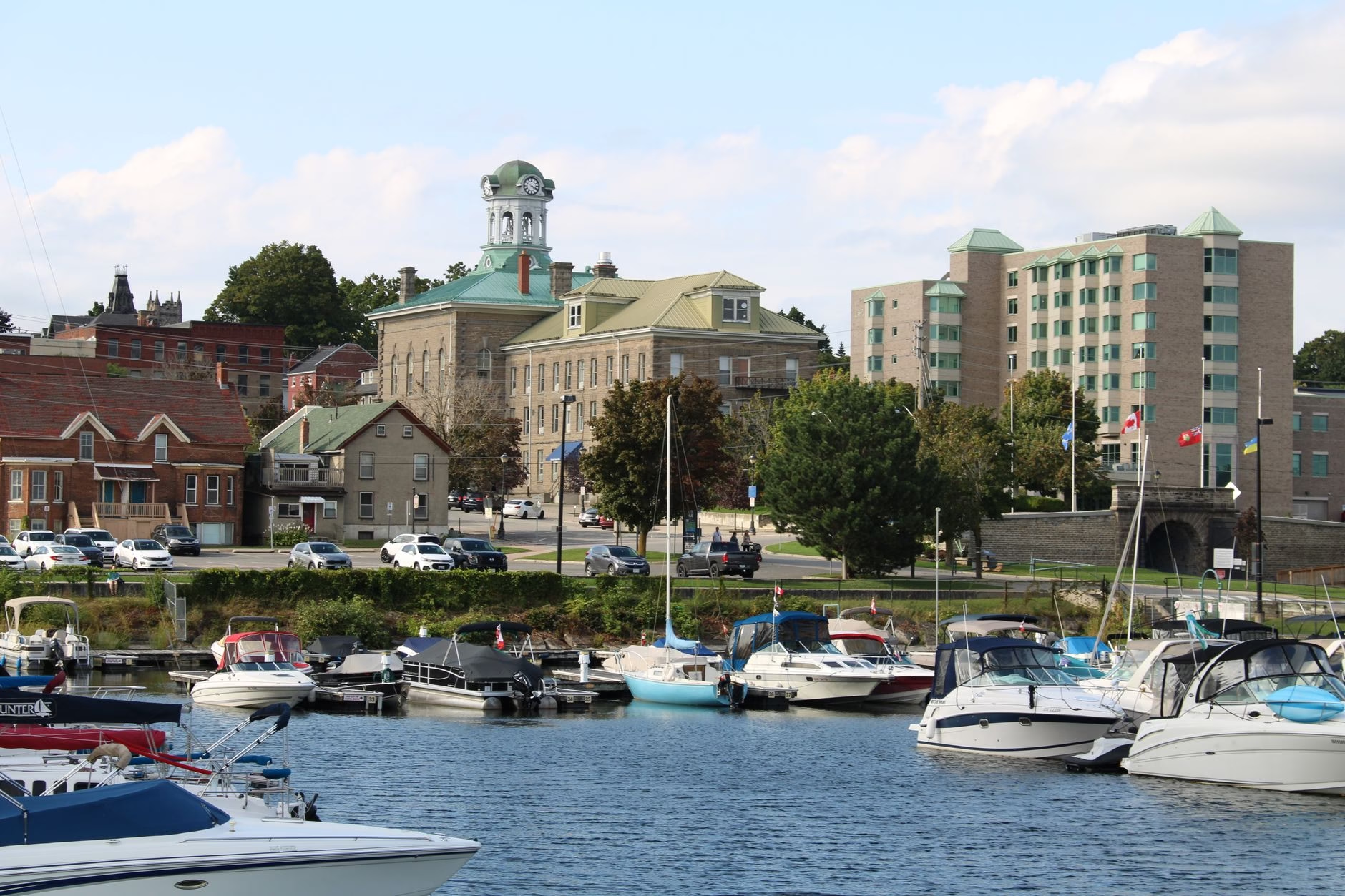
Canada is internationally celebrated for its vast wilderness, towering mountain ranges, and charming local communities that welcome travelers from every corner of the globe. However, the surge in popularity for certain destinations has created significant challenges for the people who call these places home. As visitor numbers reach unprecedented highs, several picturesque municipalities are finding it increasingly difficult to manage the influx. From infrastructure strain to skyrocketing living costs, the reality of overtourism is reshaping the daily lives of residents in communities once known for their quiet appeal.
Understanding Overtourism in Canada
Overtourism occurs when a destination receives so many visitors that the quality of life for locals and the quality of the experience for travelers deteriorate significantly. While tourism is a vital economic driver for the country, an imbalance can lead to severe consequences. Small towns often lack the municipal resources, such as waste management, public transit, and emergency services, required to support thousands of seasonal visitors. Consequently, local leaders are searching for sustainable solutions to balance economic benefits with community preservation.
Banff, Alberta
Nestled within the stunning peaks of the Rocky Mountains, Banff is perhaps the most famous mountain resort community in the country. Millions of visitors arrive annually to experience its glacial lakes, hiking trails, and vibrant downtown corridor. Yet, this popularity has resulted in relentless traffic congestion and severe parking shortages during peak seasons. Wildlife is also increasingly impacted as human activity expands into natural habitats. Local officials continue to promote public transit and car-free initiatives, but managing the sheer volume of people remains a constant uphill battle.
Tofino, British Columbia
Renowned for its rugged surf culture and old-growth rainforests, Tofino attracts wave enthusiasts and nature lovers from around the world. Located on the remote west coast of Vancouver Island, this small district struggles immensely with limited highway access and a severe shortage of long-term housing for workers. As more properties are converted into short-term vacation rentals, finding a place to live for teachers, nurses, and service industry employees has become nearly impossible, threatening the very fabric of the local community.
Niagara-on-the-Lake, Ontario
Famous for its remarkably preserved nineteenth-century architecture and world-class wineries, Niagara-on-the-Lake draws endless busloads of sightseers every year. The historic downtown area frequently experiences severe pedestrian crowding and vehicular gridlock. While the wine and hospitality sectors thrive on this attention, residential neighborhoods face constant noise, parking disputes, and the gradual erosion of the town’s historic charm and peaceful atmosphere.
Jasper, Alberta
Another gem of the Canadian Rockies, Jasper offers breathtaking alpine vistas and abundant wildlife viewing opportunities. Following recent environmental challenges and infrastructural pressures, the town has had to carefully reevaluate how it manages visitor flow. Balancing the economic necessity of welcoming tourists with the urgent need to protect delicate mountain ecosystems requires meticulous planning and community-wide cooperation among local businesses and park authorities.
Lunenburg, Nova Scotia
As a designated UNESCO World Heritage site, Lunenburg captivates visitors with its brightly painted historic waterfront and rich maritime heritage. During the summer months, the narrow streets are flooded with tourists and cruise ship passengers. While local shops benefit greatly from the seasonal trade, the rapid influx makes it difficult for residents to access basic services and enjoy the quiet coastal lifestyle that defines the region.
Whistler, British Columbia
As a premier global ski resort destination, Whistler operates at full capacity during both winter and summer seasons. The continuous growth in visitor numbers has placed immense strain on local housing markets and transportation networks. Employees often endure long commutes from outside the municipality due to prohibitive housing costs within the resort town itself, highlighting the deep socio-economic challenges tied to resort-town overtourism.
Ucluelet, British Columbia
Often viewed as the quieter neighbor to Tofino, Ucluelet has increasingly absorbed the overflow of travelers seeking rugged coastal beauty. As more tourists discover this hidden harbor, the town experiences similar pressures regarding infrastructure, waste management, and housing availability. Community leaders are working proactively to manage growth before it overwhelms the local ecosystem.
Moving Toward Sustainable Travel Solutions
Addressing the complex challenges of overtourism requires a collaborative effort among governments, tourism boards, travelers, and local residents. Strategies such as dispersing visitors to lesser-known regions, promoting off-season travel, and implementing stricter regulations on short-term rentals are gaining traction across the country. By embracing sustainable practices, these beloved destinations can protect their unique environments and maintain a high quality of life for future generations.




















Leave a Reply