



The May 2026 Maritime Crisis: Beyond the Bottleneck
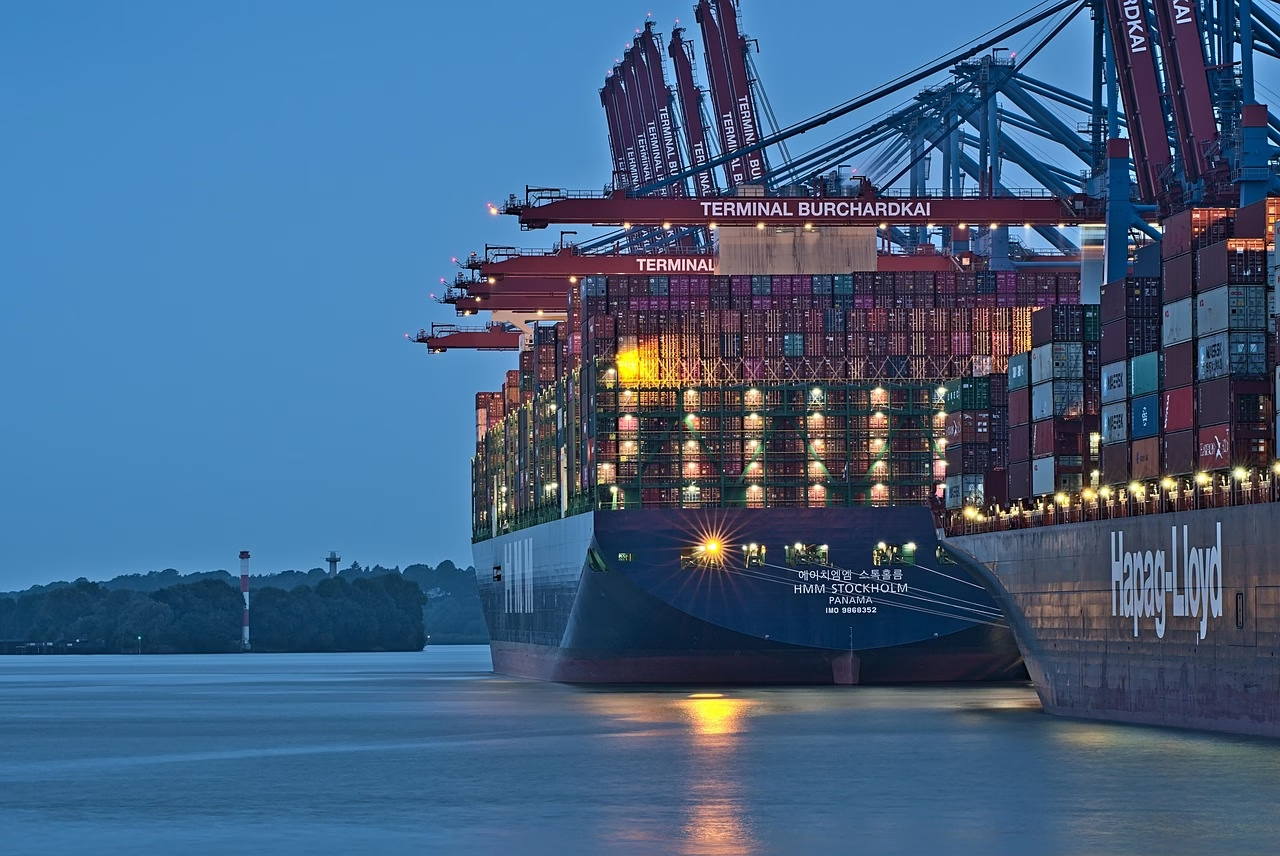
As of mid-May 2026, the Red Sea and Gulf of Aden have transitioned from a high-risk zone to a semi-permanent exclusion zone for Western-aligned commercial shipping. Recent escalations in asymmetric drone capabilities have forced a mass migration of tonnage toward the Cape of Good Hope, fundamentally altering the economics of global trade for the remainder of the fiscal year.
The Tool: Tracking the Disruptions
To monitor this risk in real-time, analysts and logistics managers should utilize ACLED (Armed Conflict Location & Event Data Project) specifically filtered for maritime kinetic events, paired with Lloyd’s List Intelligence. These platforms provide the ‘War Risk’ rating updates that trigger immediate insurance premium hikes, often before the news hits mainstream financial outlets.
Why This Matters for Your Business
This is no longer a temporary detour; it is a structural shift in global logistics. The impacts are hitting three specific areas:
- Logistics & Lead Times: Rerouting around Africa adds 10 to 14 days to transit times between Asia and Europe. For inventory-heavy businesses, this requires an immediate 15% increase in ‘safety stock’ levels to prevent stockouts.
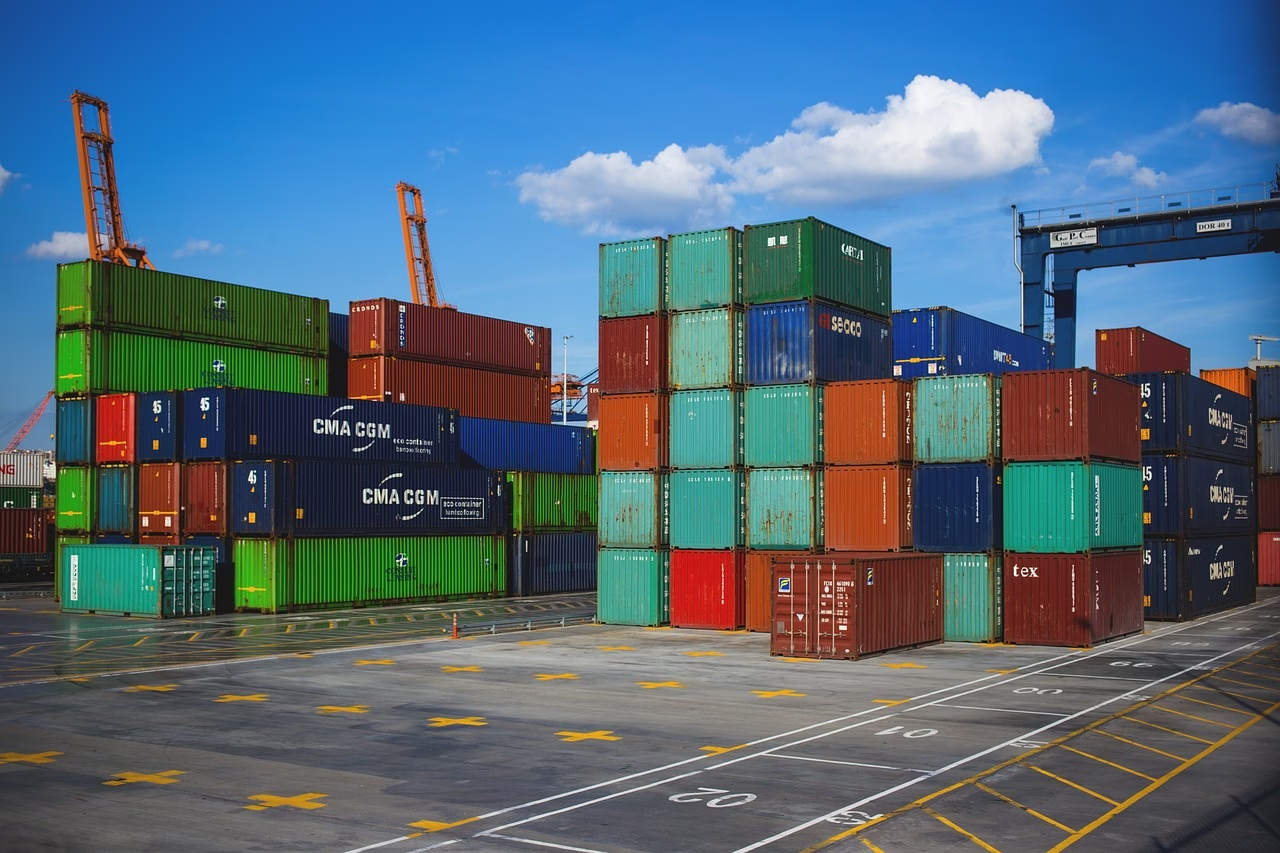
- Shipping Costs (The ‘Cape Surcharge’): Expect a surge in the Bunker Adjustment Factor (BAF). As vessels sail longer distances at higher speeds to make up time, fuel consumption is skyrocketing. For international freelancers and small exporters, this manifests as a ‘Emergency Risk Surcharge’ on every 20ft/40ft container.
- Insurance & Liability: War risk premiums for transiting the Suez Canal have spiked to 2% of hull value. For many shipowners, this makes the route economically unviable, regardless of the security presence.
Strategic Risk Mitigation
If you are a business owner or investor, the ‘wait and see’ approach is currently the highest-risk strategy. Consider the following actions:
1. Diversify Entry Points
Logistics managers should look to pivot a portion of their volume to US West Coast ports (for European-bound goods via rail land-bridges) or utilize the Middle Corridor (Central Asia rail) to bypass maritime chokepoints entirely.
2. Hedge Currency Exposure
Supply chain delays often lead to localized inflation in import-dependent markets. If you are paying suppliers in USD but selling in EUR or GBP, ensure your currency hedges account for a potential 3-5% volatility swing directly linked to energy price spikes at the pumps.
3. Audit Tier 2 Suppliers
Investors should investigate if their portfolio companies rely on ‘Just-in-Time’ components from Southeast Asia. A 14-day delay in a single microchip or textile shipment can halt production lines in Germany or the US, leading to quarterly earnings misses.
Historical Context
Unlike the 1967-1975 Suez closure, the 2026 crisis is defined by low-cost technology (drones) vs. high-cost defense (destroyers). This ‘cost-imbalance’ suggests that the maritime corridor will remain volatile for the foreseeable future, making the Cape of Good Hope the new standard for global trade routes.
























Leave a Reply