


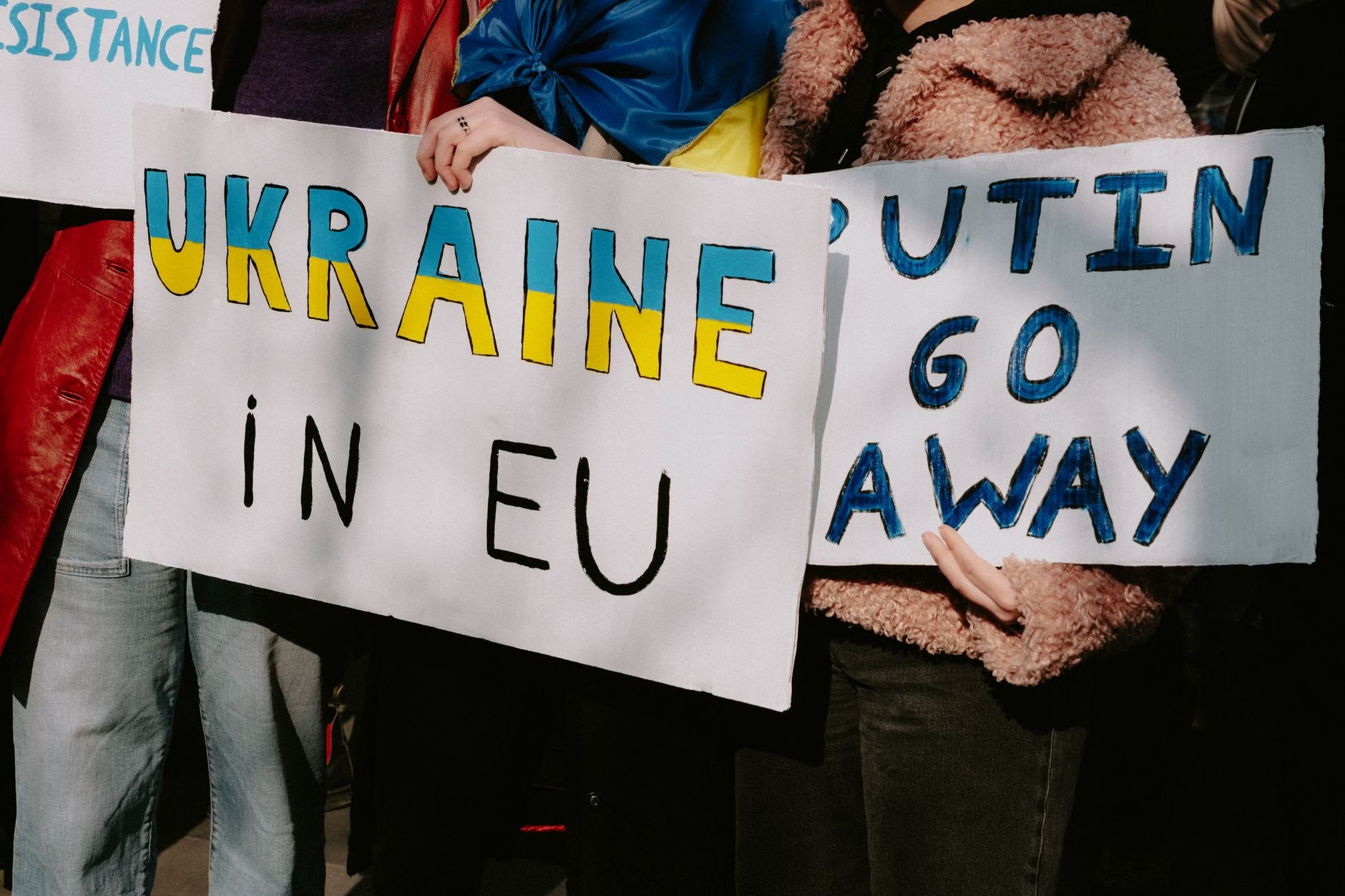
The political landscape in Europe has once again shifted toward the ongoing conflict in Ukraine, as heads of state gather for a major summit dedicated to securing long-term backing for Kyiv. During the high-level meetings, Ukrainian leadership publicly acknowledged the unwavering commitment of several European nations, branding their counterparts as true leaders in a time of profound geopolitical crisis.
European Unity and Financial Commitments
The primary agenda for the summit centers on reinforcing military supplies, humanitarian aid, and financial stability packages for the besieged nation. As member states debate the most effective ways to bolster defenses, leaders have reiterated their collective stance against foreign aggression. The gathering serves as a crucial platform for coordinating defense strategies and ensuring that the flow of essential resources remains uninterrupted.
The Shadow of Transatlantic Tensions
Despite the unified front displayed by European capitals, discussions at the summit are heavily influenced by external political dynamics. The notably strained relationship between Ukrainian leadership and the incoming American administration continues to loom large over diplomatic proceedings. Observers and delegates alike are closely monitoring how potential shifts in Washington policy might impact future defense coalitions and the overarching strategy for ending the war.
Navigating Future Uncertainties
With transatlantic relations facing unprecedented friction, European nations are increasingly pressured to shoulder a heavier burden in supporting Ukraine. The ongoing discussions highlight a pivotal moment for the continent, as policymakers attempt to bridge potential gaps in defense capabilities. While European officials reaffirm their dedication to the cause, the diplomatic balancing act required to maintain international coalition strength remains a formidable challenge.
Looking Ahead at the Summit Outcomes
As the multi-day summit progresses, the focus remains firmly on actionable resolutions rather than purely symbolic gestures. European capitals are expected to finalize additional aid mechanisms and address immediate security concerns. The ability of these nations to sustain their support independently of American political volatility will likely define the next chapter of the conflict and the broader security architecture of the region.




















Leave a Reply