


Introduction to Koala Movement Patterns
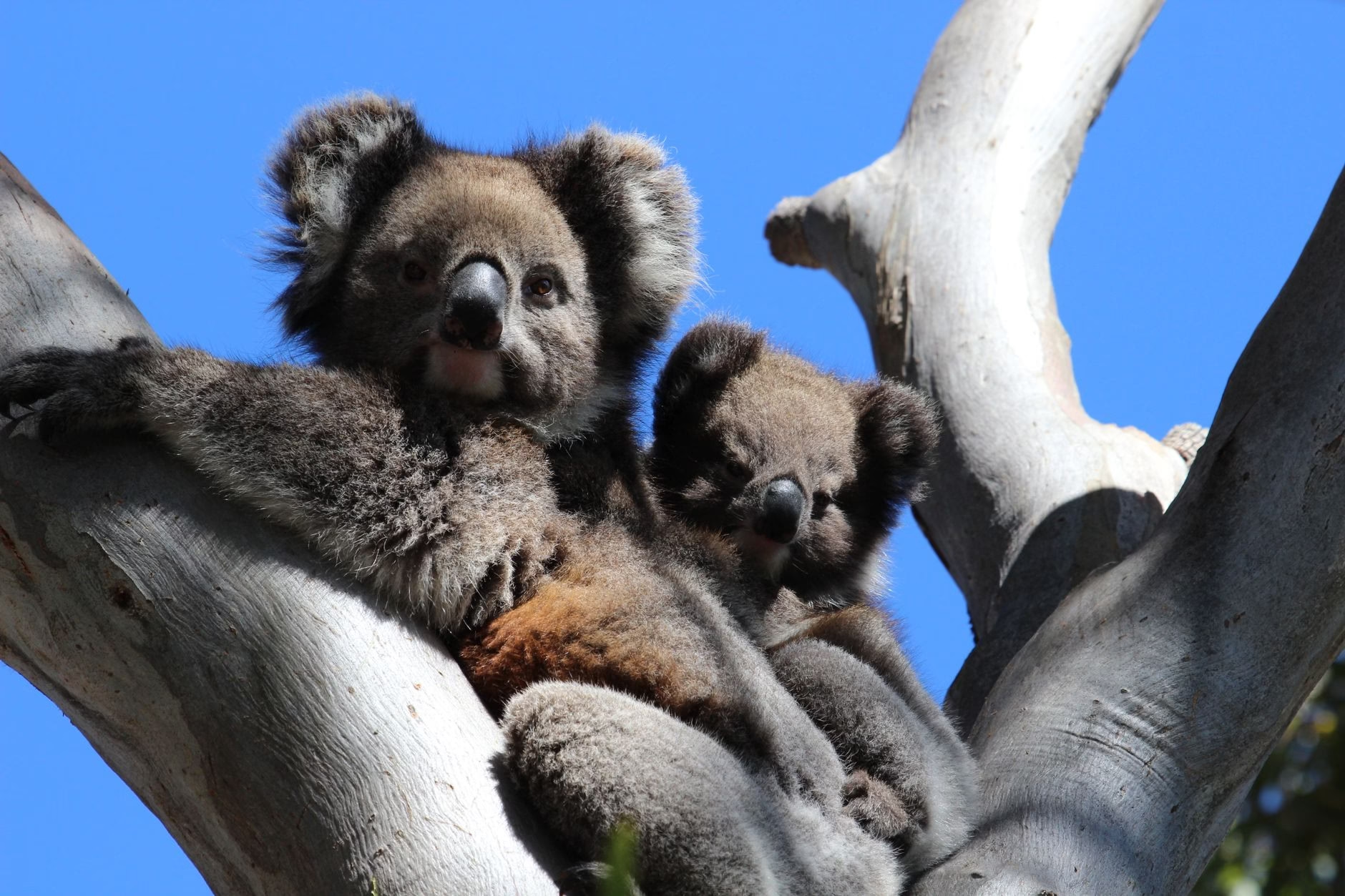
Wildlife observers and researchers have long noted distinct shifts in animal behavior as the seasons change in Australia. Among the most fascinating shifts involves the iconic koala and its movement patterns throughout the year. While these marsupials are generally known for spending the vast majority of their time resting high up in eucalyptus trees, certain months bring a noticeable change in their daily routines. Specifically, the arrival of September marks a period when these arboreal animals significantly increase their travel across the landscape.
Understanding Seasonal Behavioral Shifts
To understand why koalas alter their habits during the early spring months, it helps to examine their standard lifestyle. Most of the year involves conserving energy due to a specialized diet consisting almost entirely of eucalyptus leaves. This diet provides very little nutritional value, forcing koalas to minimize physical exertion. However, biological clocks and environmental cues trigger a transition as winter gives way to warmer weather. The urge to travel longer distances takes precedence over their usual sedentary nature.
The Role of Mating Season in Increased Travel
One of the primary drivers behind the surge in September roaming is the onset of the breeding season. During this time, hormonal changes compel both males and females to seek out potential partners across wider territories. Males, in particular, become much more active as they search for females and attempt to defend or expand their home ranges. This quest often requires them to descend from the safety of the trees and traverse open ground, which unfortunately places them in closer proximity to human environments, roads, and domestic animals.
Habitat Fragmentation and Environmental Pressures
Beyond natural biological urges, external factors heavily influence how far koalas must travel during peak activity periods. Human development has increasingly fragmented native eucalyptus forests, creating isolated patches of habitat. When koalas need to find new food sources, establish independent territories, or locate mates, they frequently encounter artificial barriers such as fences, housing developments, and busy roadways. Consequently, their seasonal movements become much more perilous as they navigate landscapes altered by human expansion.
Implications for Wildlife Conservation
Increased movement during September presents notable challenges for conservationists and local communities alike. Because koalas spend more time on the ground moving between trees, the risk of vehicle strikes and attacks by domestic dogs rises sharply. Wildlife rescue organizations and local councils often issue heightened alerts during this period, urging drivers to exercise extreme caution in areas known to support koala populations. Public awareness campaigns also encourage residents to keep pets secured, especially at night when marsupials are often most active.
How the Public Can Protect Roaming Koalas
Protecting these unique animals requires active participation from communities living within their natural range. Simple measures can make a substantial difference in reducing mortality rates during peak travel months. Lowering vehicle speeds on roads near wildlife corridors allows drivers more reaction time if an animal crosses unexpected pathways. Additionally, reporting injured or displaced koalas to local rescue groups ensures they receive prompt medical attention and safe relocation when necessary.
Conclusion on September Koala Activity
The noticeable rise in koala movement during September is a natural phenomenon driven primarily by reproduction and environmental necessity. While it highlights the fascinating biology of this native species, it also underscores the ongoing challenges they face in modern landscapes. By recognizing the reasons behind their increased travel and taking proactive safety measures, communities can help safeguard the future of koalas as they navigate their seasonal journeys.





















Leave a Reply