


Economic Realities in the Region
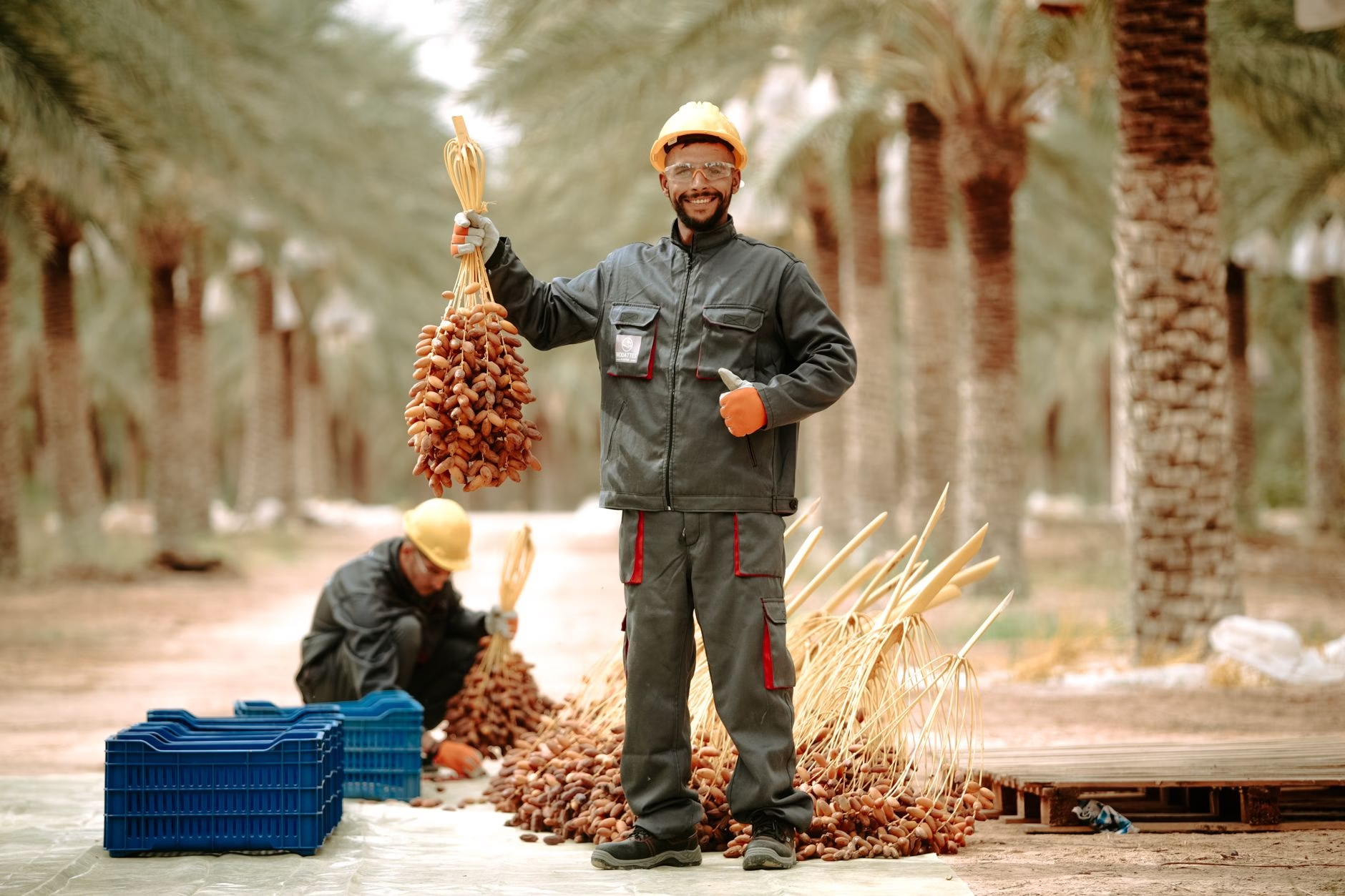
Date farming in the West Bank represents a critical economic sector for local communities. Agricultural enterprises in this contested territory operate within a complex commercial landscape characterized by shifting international policies and regional dynamics. Recent diplomatic measures enacted by the United Kingdom have introduced new variables for agricultural producers across the region, prompting a careful reevaluation of long-term financial viability and export strategies.
Understanding the UK Sanctions
The United Kingdom government implemented specific punitive measures directed at certain individuals and entities residing in West Bank settlements. These diplomatic actions are designed to address concerns regarding regional stability and human rights. For agricultural businesses operating within these areas, the measures carry significant implications for international trade, banking relationships, and access to key overseas consumer markets.
Perspectives from Local Growers
Date producers throughout the territory are currently analyzing how these policy shifts will influence their daily operations. Many commercial growers rely heavily on international distribution networks to market their harvest to European buyers. The introduction of targeted financial restrictions creates operational hurdles, particularly concerning transaction processing and logistics management. Growers note that uncertainty in international markets often translates to diminished profit margins and increased administrative burdens.
Broader Economic Implications
The ripple effects of trade restrictions extend beyond individual farms. Regional agricultural supply chains involve numerous workers, packaging facilities, and transport services. Any disruption in export capabilities can impact employment stability and local household incomes. Economists monitoring the situation emphasize that the agricultural sector remains vulnerable to external political pressures, making strategic diversification essential for sustainable operations.
Looking Ahead
As the affected agricultural communities adapt to the regulatory landscape, stakeholders are exploring alternative markets and compliance measures. The situation highlights the intersection of international diplomacy and localized commerce, where global policy decisions directly shape the livelihoods of regional producers. Moving forward, date farmers must navigate these unprecedented challenges while maintaining production standards in a turbulent economic environment.




















Leave a Reply