


Modern military strategy is undergoing a rapid evolution as global superpowers adapt to the realities of contemporary combat. Among the most significant shifts is the widespread adoption of uncrewed aerial systems on the battlefield. Recognizing the profound impact of these technologies, the United States military has taken decisive steps to overhaul its training methodologies by incorporating frontline experiences directly from international partners.
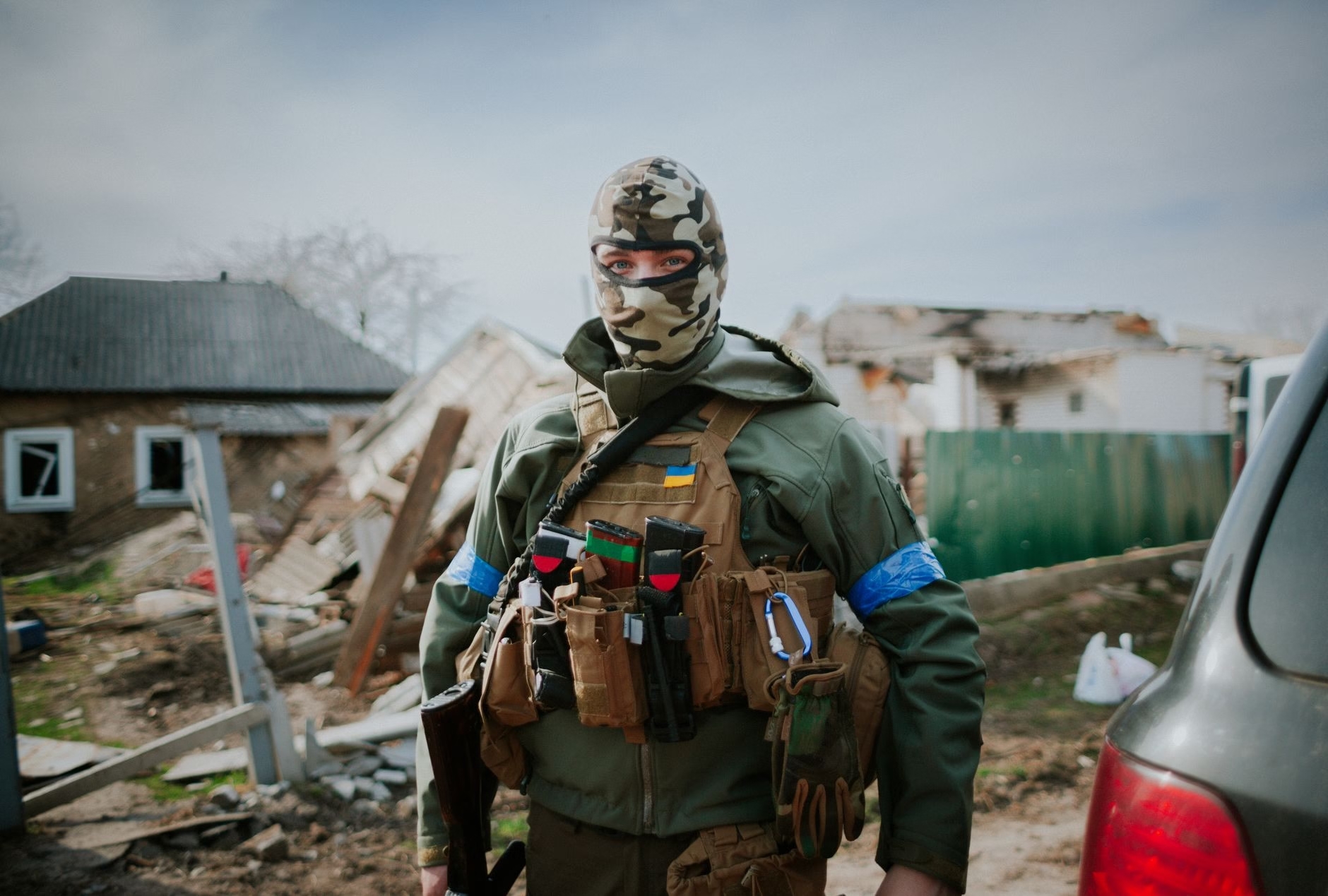
At the forefront of this transformation is the integration of Ukrainian service members into American military exercises. These experienced personnel bring invaluable insights gathered from active combat zones, offering a firsthand look at how low-cost aerial devices are reshaping tactical operations, reconnaissance missions, and defensive maneuvers.
Lessons From the Frontline
Traditional military doctrines historically emphasized heavy armor, air superiority, and conventional artillery. However, the conflict in Eastern Europe demonstrated that small, inexpensive quadcopters and first-person view devices can dramatically alter the dynamics of engagement. These systems provide unprecedented situational awareness, allowing infantry units to spot hidden enemy positions and coordinate strikes with remarkable precision.
American military leaders have closely monitored these developments. By embedding Ukrainian experts within training environments, the U.S. Army aims to bridge the gap between theoretical doctrine and the chaotic reality of modern warfare. Troops participating in these drills gain practical knowledge regarding both offensive deployment and effective electronic countermeasures.
Adapting Training Methodologies
Incorporating these advanced techniques requires a fundamental shift in how soldiers prepare for deployment. Training ranges now feature scenarios that replicate the constant threat of aerial surveillance and precision strikes from above. Units are learning not only how to pilot various classes of uncrewed platforms but also how to detect, evade, and neutralize incoming threats using portable jamming equipment and defensive formations.
This hands-on approach ensures that American forces remain competitive against adversaries who rapidly adopt similar technologies. The focus has shifted toward agility, decentralization, and the rapid dissemination of tactical intelligence at the lowest possible command levels.
Preparing for the Future of Conflict
The ongoing collaboration between American and Ukrainian forces highlights a broader truth about contemporary defense strategy: innovation is driven by necessity. As uncrewed aerial technology continues to advance at a breakneck pace, military organizations must remain adaptable to survive and succeed.
By embracing these lessons today, the U.S. Army is positioning itself to meet the complex challenges of tomorrow. The integration of frontline tactics into routine drills represents a critical milestone in modern military preparedness, ensuring that personnel are equipped to handle the demands of future battlefields.






















Leave a Reply