


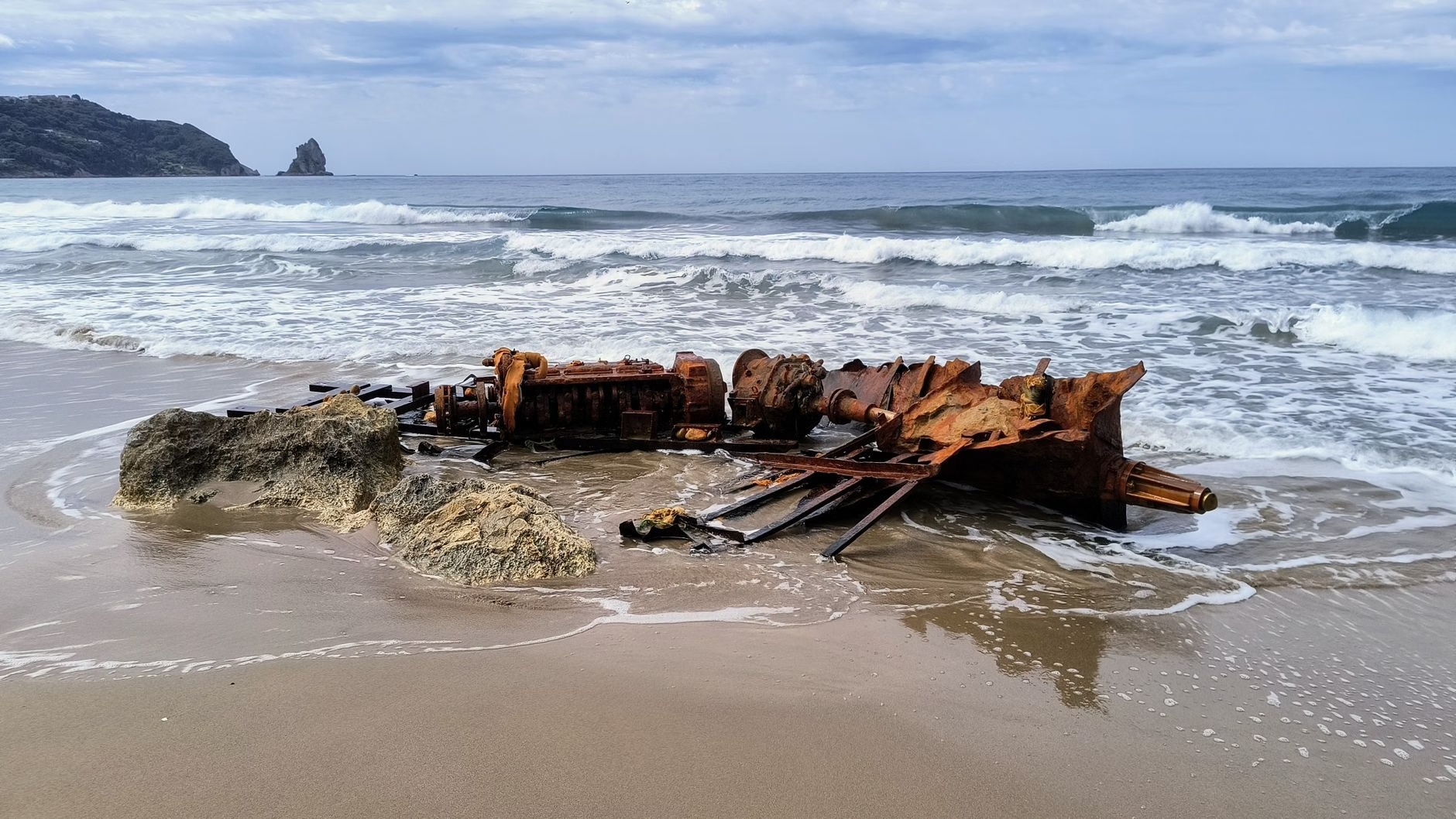
A recent underwater discovery off the coast of Sicily has captivated the archaeological community, offering a rare glimpse into the maritime activities of the Roman Empire. The find, made by an experienced underwater fisherman, has been described by the discoverer as the most extraordinary moment in their life. This significant revelation involves a Roman shipwreck and an ancient jar, promising to unlock further insights into the region’s rich historical tapestry.
Sicily’s Strategic Importance in Roman Times
Sicily, strategically positioned in the heart of the Mediterranean Sea, played a pivotal role in the Roman Empire’s vast network of trade and military operations. Its fertile lands were crucial for grain production, earning it the moniker “Rome’s granary.” Consequently, the waters surrounding the island were bustling with Roman vessels transporting essential goods, troops, and luxury items across the empire. This constant maritime traffic, coupled with the inherent dangers of ancient seafaring—storms, navigational hazards, and piracy—led to numerous shipwrecks, many of which now lie preserved beneath the waves. Each submerged wreck acts as a time capsule, offering invaluable data about the economic, social, and technological aspects of Roman civilization.
The Significance of Roman Shipwrecks
Roman shipwrecks are more than just sunken vessels; they are archaeological sites of immense importance. They provide direct evidence of ancient trade routes, the types of commodities exchanged, and the engineering prowess of Roman shipbuilders. From the design of the hull to the construction techniques, every detail of a shipwreck contributes to our understanding of Roman naval architecture. Furthermore, the cargo often includes a diverse array of artifacts, such as amphorae for wine, oil, and garum, ceramic tableware, building materials, and even personal belongings of the crew and passengers. These items paint a vivid picture of daily life, consumption patterns, and the interconnectedness of the Roman world.
Unraveling the Cargo: The Role of Ancient Jars
The discovery of an ancient jar alongside the Roman shipwreck is particularly noteworthy. Such vessels, often ceramic amphorae, were the standard containers for transporting liquids and foodstuffs across the Mediterranean. The shape, size, and markings on these jars can often indicate their origin, the type of product they once held, and even the period of their manufacture. For archaeologists, an ancient jar is not merely a piece of pottery; it is a critical piece of evidence that can help reconstruct ancient trade networks, agricultural practices, and dietary habits. Analyzing the residue within these jars can reveal the exact contents, providing unprecedented details about ancient diets and economies. The specific jar found in this Sicilian discovery will undoubtedly undergo meticulous examination to reveal its secrets.
The Role of Citizen Discoverers
This latest find underscores the invaluable contribution that citizen discoverers, such as underwater fishermen and divers, make to archaeology. While professional archaeologists conduct systematic surveys and excavations, many significant discoveries are initially made by individuals engaged in recreational or professional activities in marine environments. These initial sightings often lead to formal archaeological investigations, bringing previously unknown historical sites to light. The responsible reporting of such finds is crucial, as it ensures that sites are properly documented, protected, and studied by experts, preventing potential damage or loss of historical context.
Challenges and Techniques in Underwater Archaeology
Underwater archaeology presents unique challenges compared to terrestrial excavations. The marine environment itself poses significant hurdles, including limited visibility, strong currents, and the need for specialized equipment and training. The process typically involves extensive surveys using sonar and remotely operated vehicles (ROVs) to locate sites. Once a site is identified, divers meticulously document and excavate, often using suction dredges to remove sediment without disturbing delicate artifacts. Conservation of retrieved artifacts is another complex stage, as objects that have been submerged for centuries require careful treatment to prevent deterioration upon exposure to air. The scientific rigor applied to these challenging conditions ensures that the historical integrity of the site is maintained.
Preserving History: The Importance of Conservation Efforts
The preservation of marine archaeological sites and their contents is paramount. Once artifacts are brought to the surface, they enter a critical phase of conservation. Objects recovered from saltwater environments, particularly ceramics and metals, are highly susceptible to rapid degradation if not treated immediately and appropriately. Conservators employ specialized techniques to remove salts, stabilize materials, and prevent further decay, ensuring that these invaluable pieces of history can be studied and displayed for future generations. The long-term care of these artifacts is essential for maintaining their historical value and ensuring they continue to inform our understanding of the past.
A Window into the Past: The Enduring Legacy of Roman Maritime Heritage
Each Roman shipwreck discovery serves as a powerful reminder of the empire’s vast reach and its profound impact on the Mediterranean world. These submerged relics offer a tangible connection to an ancient civilization, allowing historians and archaeologists to piece together narratives that might otherwise be lost to time. They illuminate the daily lives of sailors and merchants, the perils of ancient voyages, and the complex economic systems that sustained one of history’s greatest empires. The ongoing exploration of the Mediterranean seabed continues to reveal new chapters in this rich maritime heritage, constantly refining our understanding of the past.
Conclusion
The recent discovery of a Roman shipwreck and an ancient jar off Sicily is a testament to the enduring secrets held by the Mediterranean Sea. It highlights the critical role of both chance encounters and systematic archaeological efforts in expanding our knowledge of ancient civilizations. As investigations into this particular site proceed, it is anticipated that further details will emerge, enriching our understanding of Roman maritime history and the vibrant life that once thrived along its bustling trade routes. Such finds reinforce the importance of protecting our underwater cultural heritage for the benefit of future generations.





















Leave a Reply