


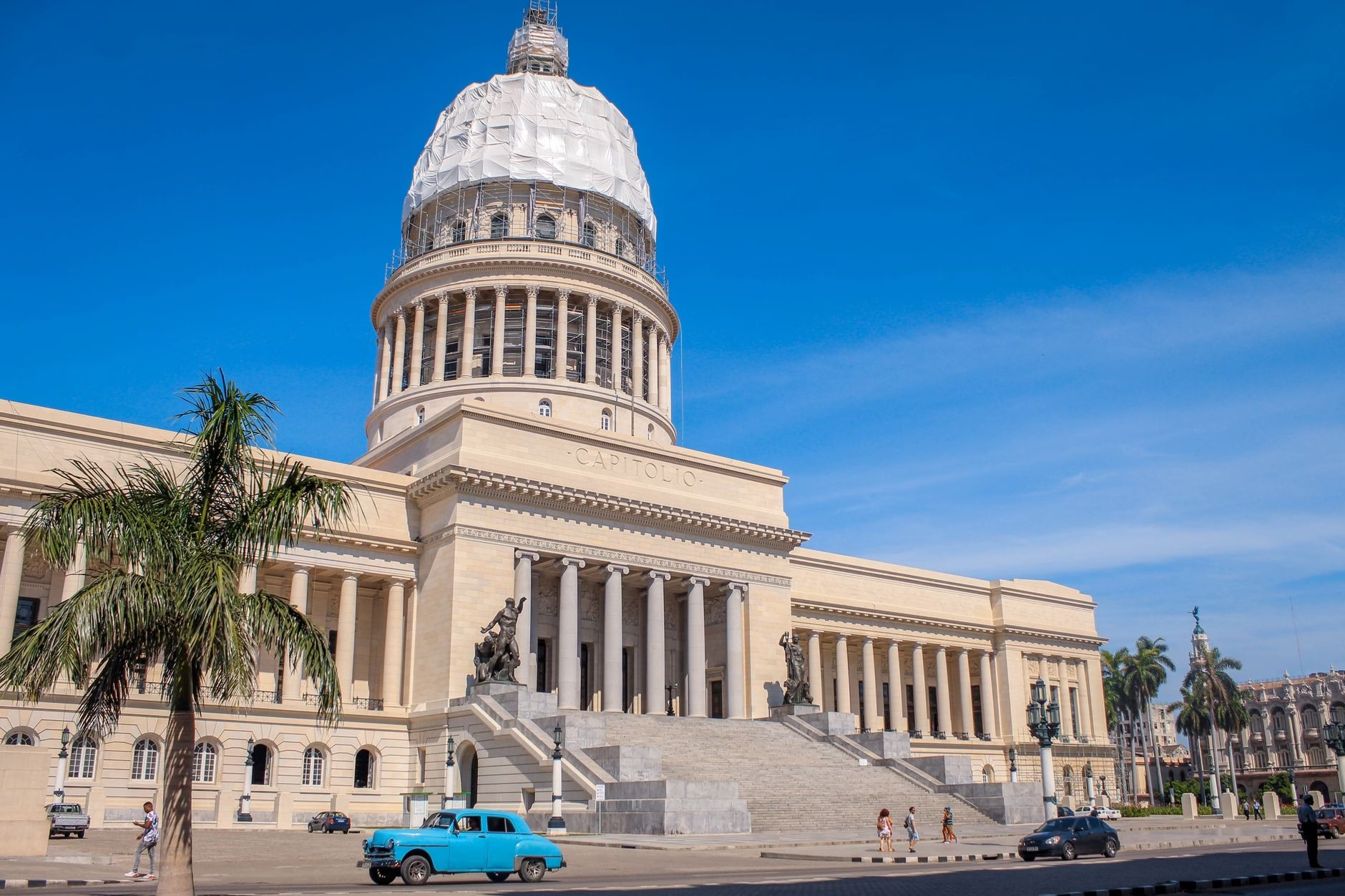
The long-standing relationship between the United States and Cuba remains a complex and heavily debated topic in international relations. Central to this dynamic are the comprehensive economic sanctions and the trade embargo imposed by Washington. These restrictive measures have wide-reaching consequences that ripple across the entire Caribbean island nation, influencing everything from large-scale infrastructure to daily household routines.
Background on the Economic Restrictions
The economic embargo against Cuba was established decades ago, designed to pressure the political leadership on the island. Over the years, these measures have evolved, encompassing financial restrictions, trade limitations, and travel regulations. While policymakers in Washington view these measures as a necessary instrument of foreign policy, observers point out that the implementation of such policies creates significant structural hurdles for the general population.
Effects on the Electrical Grid and Power Supply
One of the most visible and disruptive consequences of the ongoing economic pressure involves the nation’s energy sector. Cuba struggles significantly with the maintenance and modernization of its power plants. The inability to freely acquire specialized replacement parts, fuel imports, and advanced technological infrastructure due to foreign trade barriers leaves the electrical grid highly vulnerable.
Frequent blackouts have become a persistent challenge for residents and local businesses alike. These power outages disrupt daily life, compromise refrigeration, and hinder manufacturing and agricultural operations. Without reliable access to international markets for energy-related procurement, upgrading the aging power infrastructure remains an uphill battle.
Challenges in Accessing Essential Medicine
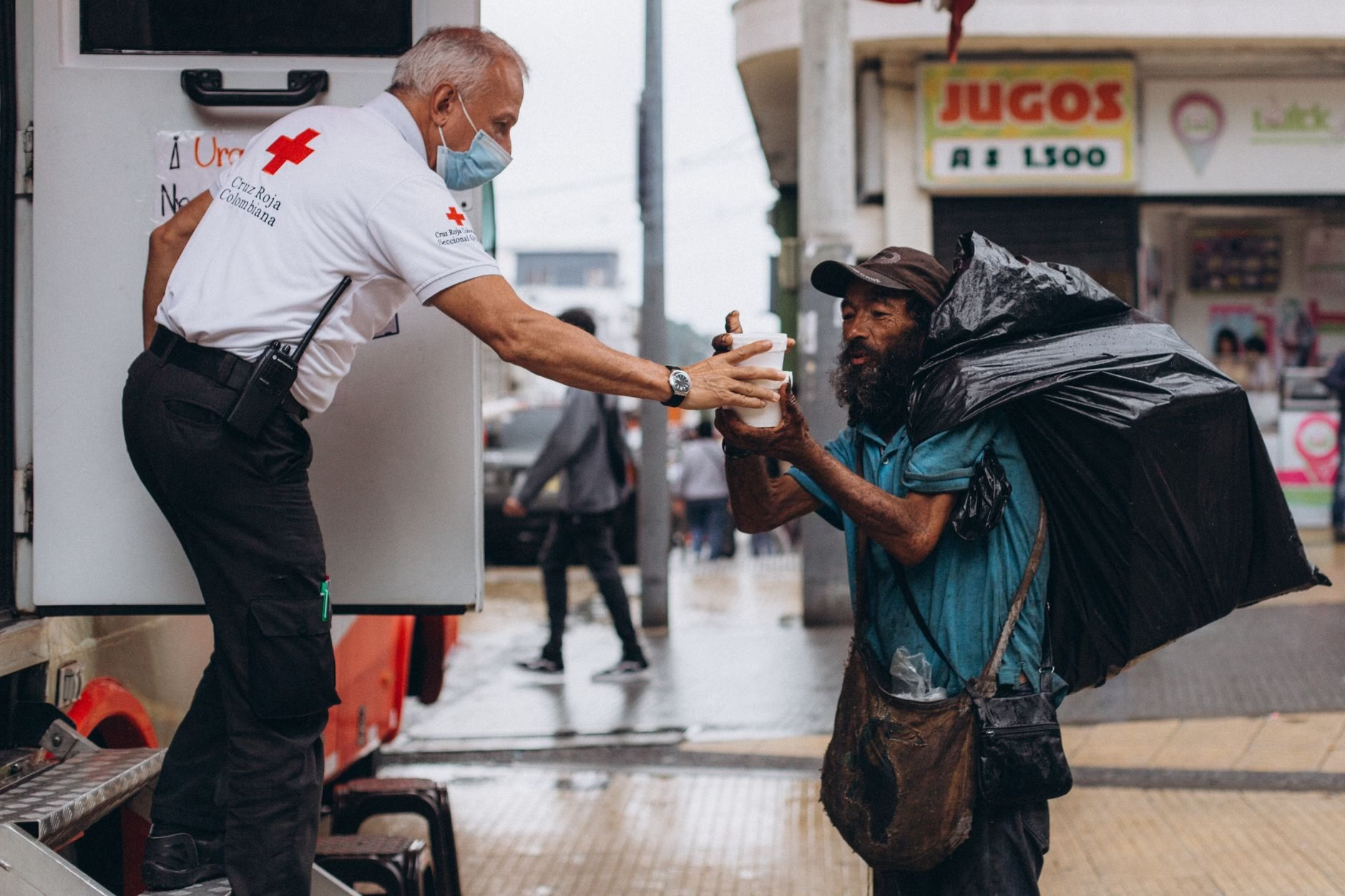
Beyond energy concerns, the availability of pharmaceutical products and medical supplies is a critical area impacted by international trade restrictions. While humanitarian exemptions theoretically exist within sanction frameworks, the practical reality of financial transactions and shipping logistics often creates severe bottlenecks.
Medical facilities frequently report shortages of basic pharmaceuticals, specialized treatments, and advanced diagnostic equipment. International suppliers often hesitate to engage in commerce with Cuba due to the complex regulatory compliance required by foreign jurisdictions, fearing penalties or extended banking delays. Consequently, healthcare providers must navigate immense logistical challenges to secure the resources necessary for patient care.
Perspectives on Diplomatic and Economic Pressure
Proponents of the strict policy approach argue that maintaining intense economic pressure is vital for achieving specific political objectives. Statements from U.S. officials, including Secretary of State Marco Rubio, indicate that the campaign is intentionally engineered to eliminate alternative economic pathways for the ruling administration. The goal is to ensure that the leadership feels a continuous lack of escape valves, mirroring the sentiment of confinement expressed by citizens on the island.
Conversely, humanitarian organizations and international critics frequently challenge this strategy. They argue that broad economic coercion disproportionately harms vulnerable civilian populations rather than prompting rapid political transformation. As the debate continues, the everyday realities for people living under these conditions involve persistent adaptation to scarcity, where obtaining basic services and medical goods requires extraordinary effort.
Conclusion
The intersection of geopolitics, trade restrictions, and humanitarian concerns defines the current landscape of the region. As international discussions persist, the primary dilemma remains balancing strategic foreign policy goals against the profound human costs experienced by civilians on the ground.


















Leave a Reply