



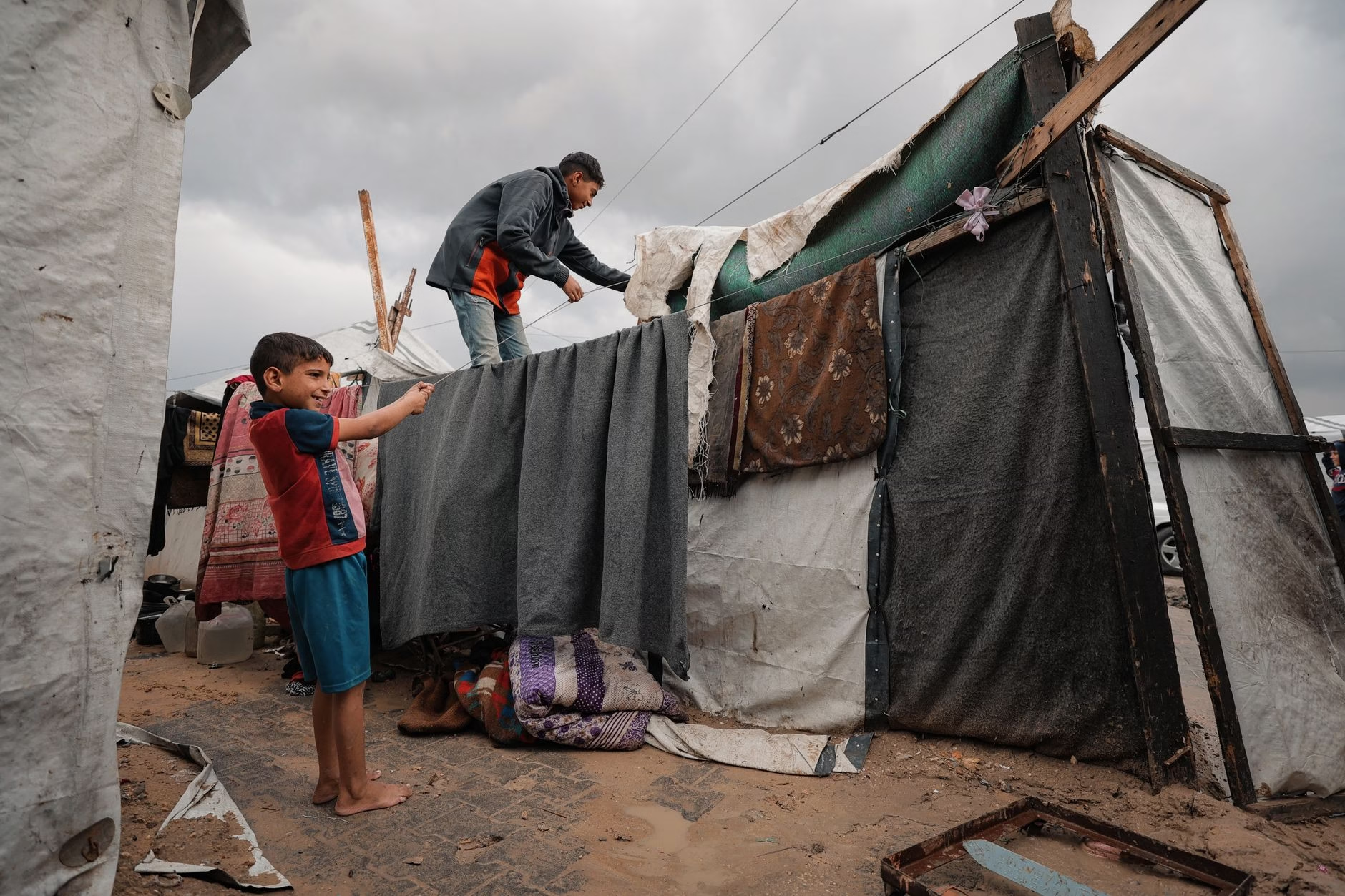
A new United Nations report released this week confirms that nearly 25,000 children living in conflict-affected regions were victims of a record-breaking number of grave human rights violations throughout the previous year. The data, compiled by the UN’s monitoring and reporting mechanism, details a devastating surge in killings, maiming, sexual violence, and the forced recruitment of minors into armed groups across multiple global hotspots.
The Escalation of Global Conflict
The United Nations has tracked such violations for decades, but the latest figures represent a grim milestone in the protection of vulnerable populations. These violations occurred amidst an increasingly complex landscape of urban warfare, where the distinction between combatants and civilians has become dangerously blurred.
According to the report, the rise in verified cases is attributed to both the intensification of existing regional wars and the emergence of new, volatile geopolitical tensions. The data highlights a systematic failure to uphold international humanitarian law, particularly in regions where non-state armed groups operate with limited oversight.
Detailed Patterns of Abuse
The report categorizes these violations into six core areas: the recruitment and use of children in armed forces, the killing and maiming of children, sexual violence, abduction, attacks on schools and hospitals, and the denial of humanitarian access. Each category saw a statistically significant increase compared to the previous reporting period.
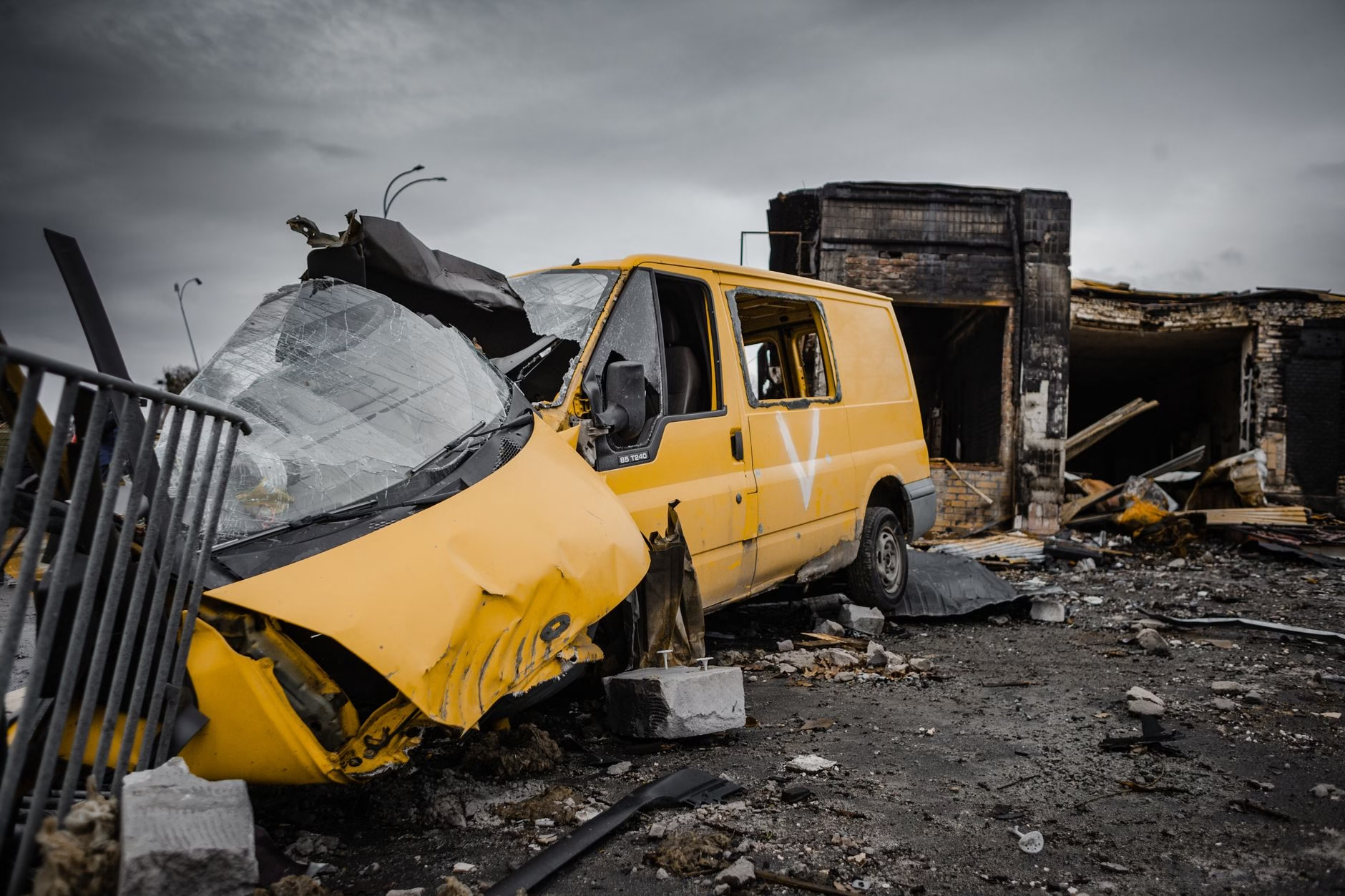
Of particular concern is the rise in the recruitment of child soldiers, a trend that experts link to the desperation of armed factions seeking to bolster their ranks. Additionally, the deliberate targeting of critical infrastructure, such as schools and medical facilities, has effectively stripped thousands of children of their fundamental right to safety and education.
Expert Analysis and Data
UN officials emphasize that these figures represent only the verified cases, suggesting that the true scale of the crisis may be significantly higher due to restricted access to remote conflict zones. Humanitarian organizations, including UNICEF and Save the Children, have echoed these concerns, noting that the psychological trauma inflicted on this generation will have long-term societal consequences.
“The data is not just a collection of numbers; it is a profound indictment of the global community’s inability to shield the innocent,” stated one policy analyst familiar with the UN findings. The report underscores that in many instances, children are not merely collateral damage, but are being actively targeted to exert pressure on local populations.
Implications for Global Policy
For the international community, these findings necessitate a rigorous re-evaluation of current peacekeeping and humanitarian intervention strategies. The persistent lack of accountability for perpetrators remains a primary obstacle, as few individuals are held legally responsible for crimes committed against children during active hostilities.
Industry observers suggest that the focus must now shift toward strengthening the legal mechanisms for international prosecution. Furthermore, there is an urgent call for increased funding for child protection services in conflict zones to provide rehabilitation and reintegration programs for those who have escaped or been released from armed groups.
Looking ahead, the international community will be watching for how the UN Security Council responds to the report’s recommendations. Future efforts will likely focus on implementing stricter sanctions against entities identified as repeat offenders and fostering cross-border cooperation to monitor the movement of child soldiers and the supply chains of small arms used in these conflicts.















Leave a Reply