


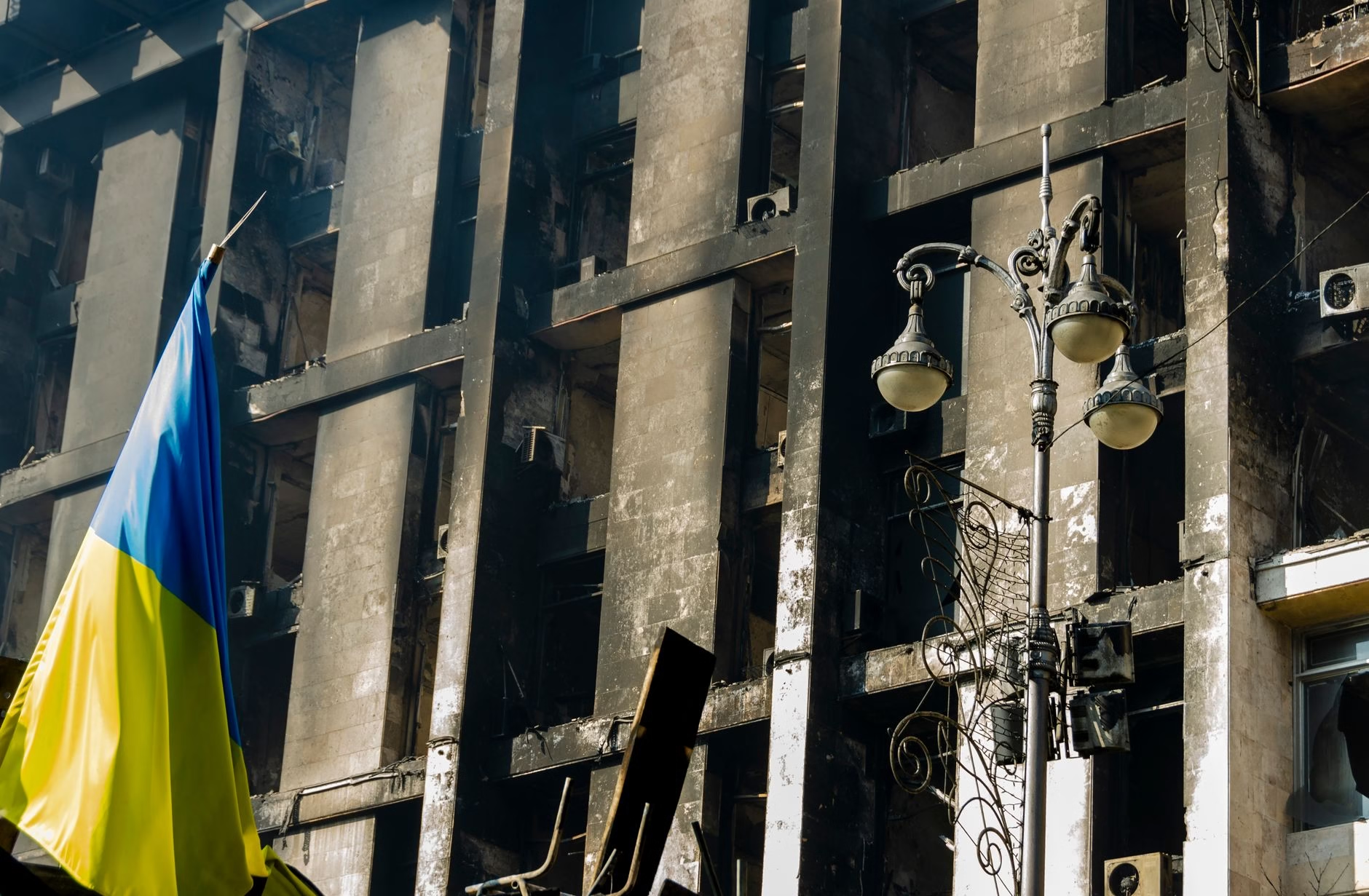
Recent reports from Ukraine have drawn attention to the ongoing severity of the conflict, with military actions leading to significant consequences. Specifically, incidents involving Russian strikes have been noted, including a reported fatality in the southern port city of Odessa. Concurrently, an explosion has been documented in the vicinity of the capital, Kiev. These events serve as a stark reminder of the persistent challenges faced by the region and underscore the profound human and geopolitical ramifications of the protracted hostilities.
The Human Cost of Conflict
The toll of military engagement on civilian populations remains a central concern in any armed conflict. The reported loss of life in Odessa exemplifies the tragic reality faced by individuals caught amidst hostilities. Such incidents highlight the indiscriminate nature of warfare, where non-combatants frequently bear the brunt of violence. Beyond immediate casualties, the psychological trauma, displacement, and disruption of daily life for millions constitute a pervasive humanitarian crisis. Families are uprooted, communities are fractured, and the fabric of society is strained under the immense pressure of sustained conflict. The constant threat of strikes necessitates vigilance and resilience from residents, profoundly altering their existence and future prospects.
Strategic Significance of Key Regions
The cities of Odessa and Kiev hold considerable strategic importance within the broader geopolitical landscape of Ukraine. Odessa, a vital port city on the Black Sea, represents a critical economic gateway and a cultural hub. Its control or disruption has far-reaching implications for maritime trade, regional stability, and access to international markets. Any military action affecting Odessa naturally draws significant international attention due to its economic and strategic value. Similarly, Kiev, as the nation’s capital, symbolizes sovereignty and national identity. An explosion near the capital, regardless of its specific target or impact, carries significant symbolic weight, serving as a reminder of the pervasive nature of the conflict and its proximity to centers of governance. Such events underscore the persistent efforts to exert pressure on key urban centers, aiming to impact national morale and operational capabilities. The ongoing conflict has consistently demonstrated the strategic value placed on these and other major urban areas, making them focal points of military and political maneuvering.
International Reactions and Diplomatic Efforts
The international community consistently monitors developments within the conflict zone, and incidents such as those reported in Odessa and near Kiev invariably elicit responses from global actors. Nations and international organizations frequently issue condemnations of actions that result in civilian harm or destabilize regional security. Calls for de-escalation, adherence to international law, and the protection of non-combatants are standard components of diplomatic discourse. Efforts to mediate peace, establish humanitarian corridors, and provide aid continue, albeit often challenged by the complexities of the conflict. The ongoing hostilities underscore the urgent need for sustained diplomatic engagement to seek a resolution that respects national sovereignty and ensures regional stability, preventing further loss of life and widespread suffering. The global implications of the conflict, including energy security, food supplies, and refugee flows, ensure that international attention remains sharply focused on developments within Ukraine.
Economic and Social Disruptions
Beyond the immediate human cost, military actions have profound long-term economic and social consequences. Infrastructure, including transportation networks, energy facilities, and residential buildings, frequently sustains damage, impeding recovery and development. The disruption of economic activities, from agriculture to manufacturing, leads to significant financial losses and exacerbates poverty. Supply chains are fractured, leading to shortages and inflation, which disproportionately affect vulnerable populations. Social services, including healthcare and education, are severely impacted, with facilities damaged and personnel displaced. The long-term rebuilding process, both physical and social, represents an immense challenge that will require substantial international support and sustained effort. The reported incidents contribute to this broader pattern of disruption, further complicating the path to recovery and stability for the affected regions and the nation as a whole.
The Path Forward
The trajectory of the conflict remains a subject of intense international scrutiny and domestic concern. The reported strikes serve as a reminder that a definitive resolution remains elusive, and the path forward is fraught with complexity. Achieving a lasting peace will necessitate robust diplomatic initiatives, adherence to international principles, and a commitment from all parties to de-escalate tensions. Rebuilding efforts, both physical and societal, will be monumental, requiring extensive resources and a coordinated international response. The resilience of the Ukrainian people, coupled with ongoing international support, will be crucial in navigating these formidable challenges. The international community continues to emphasize the importance of protecting civilian lives and ensuring humanitarian access in all affected areas, while also working towards a sustainable political solution.
Conclusion
The recent reports of a fatality in Odessa and an explosion near Kiev serve as poignant indicators of the enduring human cost and strategic implications of the conflict in Ukraine. These incidents reinforce the urgent need for a cessation of hostilities and a renewed focus on diplomatic pathways to peace. The profound impact on civilian lives, critical infrastructure, and regional stability underscores the gravity of the situation and the imperative for sustained international efforts to mitigate suffering and foster a secure future for the region.




















Leave a Reply