


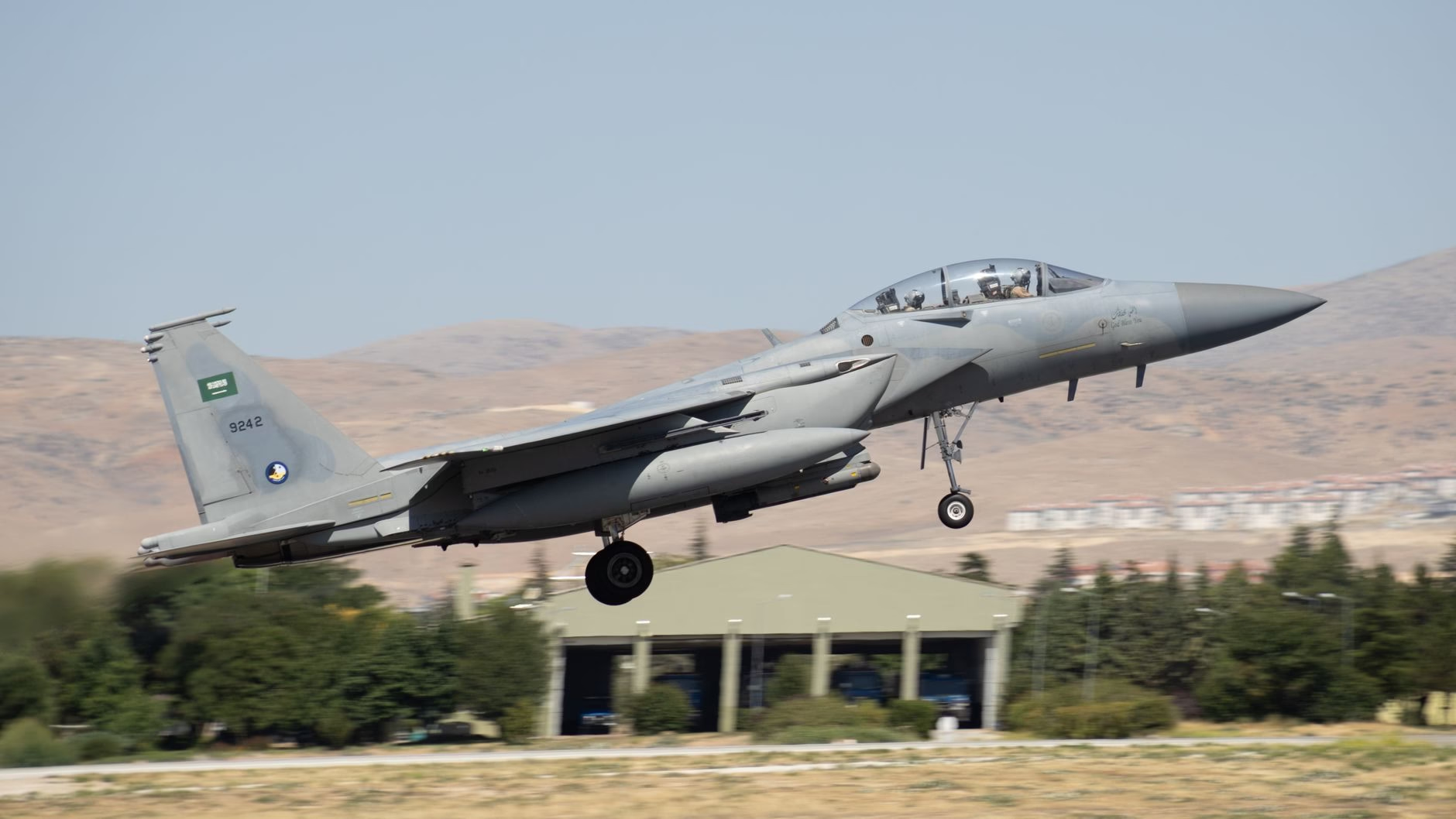
Background on the Aerial Defense Deployment
The United Kingdom has decided to dispatch Royal Air Force fighter jets to the Middle East. The primary mission of this deployment is to assist regional partners with defensive operations. Specifically, the military assets will be utilized to help shield Saudi cities from ongoing aerial threats.
While the deployment signifies a strong commitment to regional security, the operational parameters remain strictly defensive. British military leadership has confirmed that the dispatched aircraft will not take part in any offensive strikes. The mission focuses exclusively on intercepting incoming airborne hazards to safeguard civilian populations and critical infrastructure.
Strategic Objectives and Operational Limits
The decision to station fighter jets in the area underscores the ongoing security challenges facing the Arabian Peninsula. Continuous threats from Houthi forces have necessitated heightened vigilance and robust air defense measures. By providing specialized aerial support, the British government aims to bolster the defensive capabilities of its allies in the region.
Despite the deployment of advanced military hardware, the British government maintains a clear boundary regarding its involvement in the conflict. Participation is strictly limited to defensive deterrence and interception tasks. Pilots and ground crews operating under this directive are not authorized to initiate offensive maneuvers against targets within Yemen or elsewhere.
Broader Regional Security Implications
Incidents involving cross-border aerial assaults have raised significant concerns among international observers regarding regional stability. The introduction of additional defensive air assets is designed to mitigate risks and maintain a stable security environment. Allies continue to monitor the situation closely as diplomatic and military stakeholders navigate the complex security dynamics of the region.
The deployment also highlights the close cooperation between the United Kingdom and its partners in the Gulf. Through coordinated defense strategies, participating nations seek to deter hostile actions and protect vital trade routes and population centers from persistent aerial disruptions.





















Leave a Reply