


Understanding the Defense Production Act
The Defense Production Act stands as a powerful legislative tool designed to steer domestic industrial capacity toward national security priorities. Originally rooted in the Cold War era, this statute grants the executive branch sweeping authority to influence private businesses and secure critical materials. When utilized, it prioritizes government contracts and marshals resources to address acute shortages or emergencies that threaten the economic or physical safety of the nation.
Targeting Energy Independence and Security
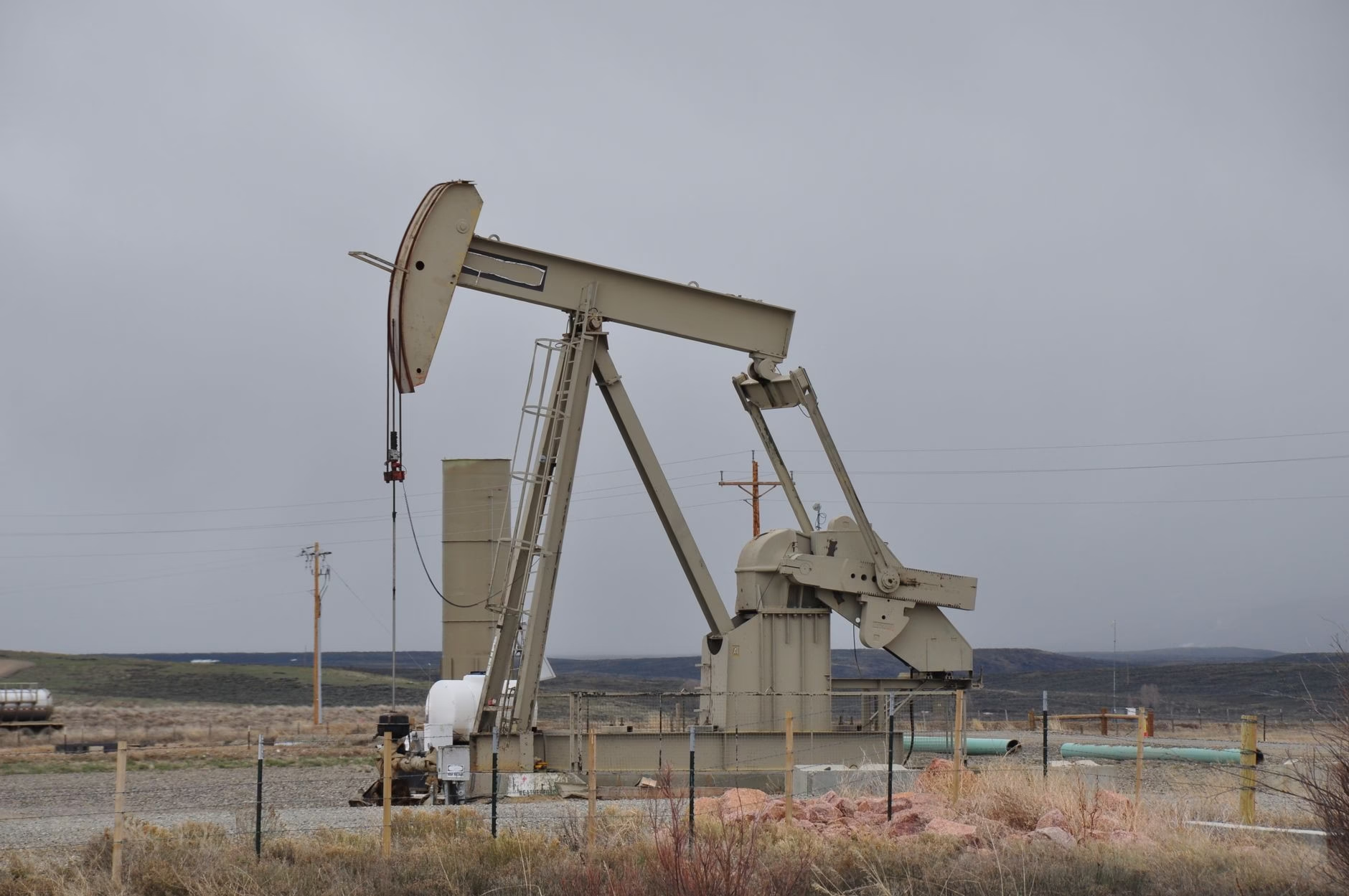
The recent decision by Donald Trump to activate this historic statute focuses squarely on the energy sector. By leveraging the legislation, the administration aims to accelerate the extraction and processing of petroleum products within national borders. Proponents argue that bolstering domestic output serves as a crucial bulwark against international supply chain disruptions and geopolitical volatility that frequently plague global commodity markets.
Implications for Oil Production and Refining
Beyond crude extraction, the initiative places significant emphasis on refining capacity. Processing raw petroleum into usable fuels like gasoline and diesel remains a vital bottleneck in the supply chain. Through the invocation of these emergency powers, the strategy seeks to streamline operational hurdles, modernize processing facilities, and ensure that the domestic market enjoys a steady, reliable supply of refined petroleum products to meet rising demand.






















Leave a Reply