


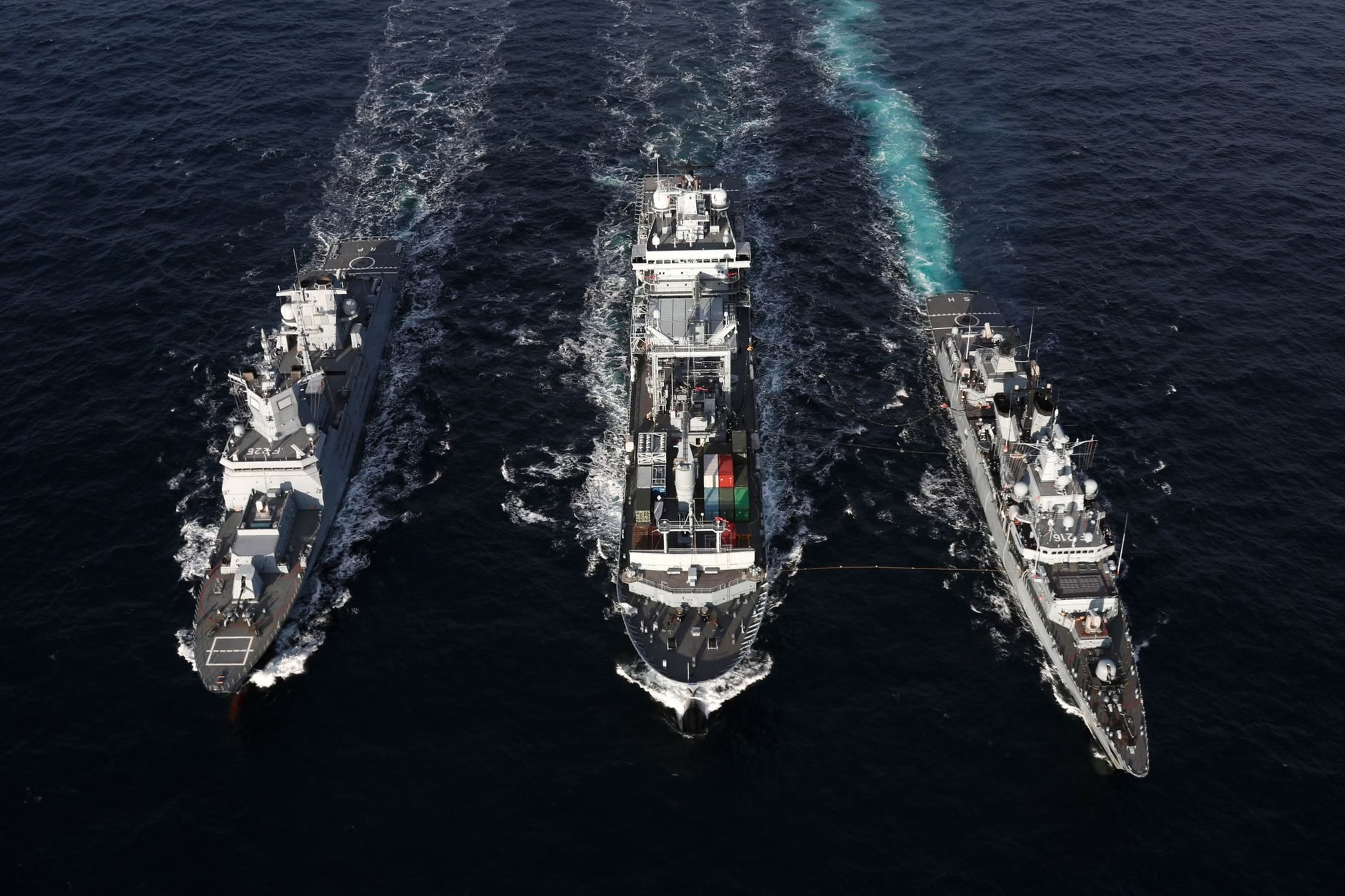
The United States Treasury Department has announced a significant expansion of economic measures directed at the Islamic Republic. This latest action involves placing seventeen specific petroleum vessels under formal financial restrictions. These targeted watercraft are widely recognized by international trade analysts as forming a critical component of what officials describe as the Iranian shadow fleet.
Background of the Economic Campaign
The additional designations represent a continuation of longstanding strategic pressure. This comprehensive campaign encompasses both military deterrence and stringent economic penalties designed to limit revenue generation. By targeting the maritime infrastructure utilized to bypass existing trade restrictions, financial authorities aim to constrain the flow of capital.
Targeting the Maritime Shadow Fleet
Operating outside conventional regulatory frameworks presents significant challenges for global commerce. Maritime authorities monitor vessels that obscure their ownership and operational details to move petroleum products covertly. The seventeenth newly designated tankers are accused of facilitating these clandestine transactions, allowing restricted goods to reach international buyers despite existing prohibitions.
Implications for Global Trade and Energy
Financial sanctions of this magnitude reverberate throughout international shipping networks. Vessel operators, insurers, and port authorities must exercise heightened due diligence to avoid secondary penalties. As the administration continues its focused economic pressure campaign, compliance departments worldwide are reviewing their portfolios to ensure adherence to the updated Treasury directives.





















Leave a Reply