


The arrival of warmer seasons often brings the allure of refreshing dips in natural waters. However, recent developments have prompted significant warnings for individuals planning to swim in the Baltic Sea and various German lakes. These alerts concern the proliferation of toxic algae, a natural phenomenon that, while sometimes visually striking, poses considerable health risks. Understanding the nature of these blooms, their potential dangers, and the necessary precautions is paramount for ensuring safe recreational activities in affected areas. Public health authorities and environmental agencies are closely monitoring the situation, urging vigilance among residents and tourists alike.
Understanding Toxic Algae Blooms
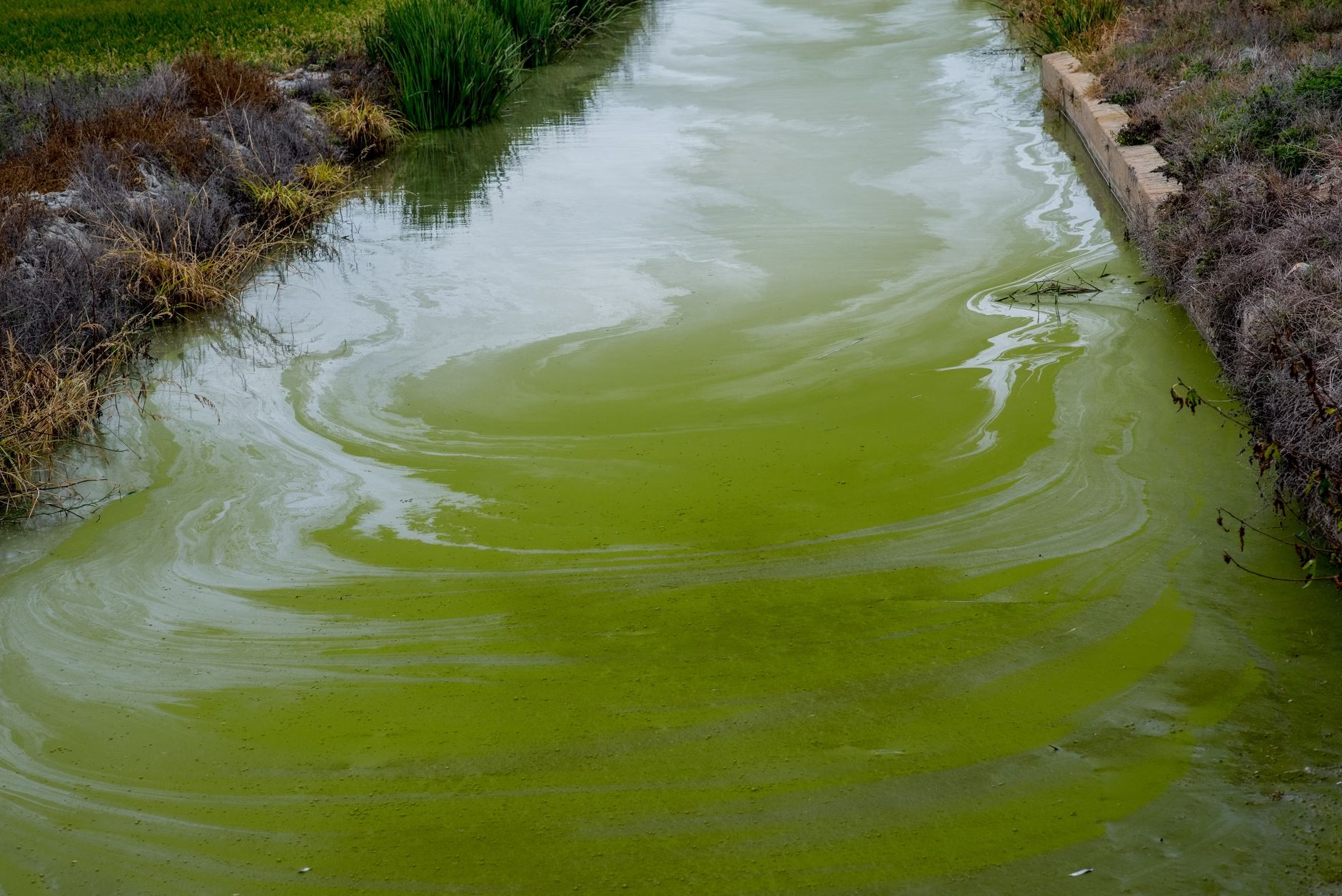
Toxic algae, scientifically known as cyanobacteria, are microscopic organisms naturally present in fresh and brackish waters. Under specific environmental conditions, these bacteria can multiply rapidly, forming dense accumulations known as blooms. These blooms often manifest as discolored water, appearing green, blue-green, brown, or even reddish, sometimes resembling pea soup, spilled paint, or thick mats on the water’s surface. Not all algae blooms are harmful, but certain types of cyanobacteria produce potent toxins called cyanotoxins. These toxins can affect humans, pets, and wildlife, leading to a range of adverse health outcomes. The presence of these toxins is not always visible, making official warnings and careful observation crucial.
Health Risks for Humans
Exposure to toxic algae can result in a variety of health problems for humans, depending on the type of toxin, the concentration, and the duration and route of exposure. The most common symptoms are typically mild but can be highly unpleasant. Skin contact with contaminated water can cause rashes, irritation, hives, or blisters. Ingesting even small amounts of water containing cyanotoxins can lead to gastrointestinal issues such as nausea, vomiting, diarrhea, and abdominal pain. More severe symptoms, though less common, can include respiratory problems, eye irritation, fever, and even neurological effects like muscle weakness or dizziness. Children are particularly vulnerable due to their smaller body size and tendency to ingest water while swimming. Therefore, adhering to warnings and avoiding contact with suspicious water is essential for public safety.
Dangers to Animals and Pets
Perhaps even more susceptible to the severe effects of toxic algae are domestic animals, especially dogs. Dogs are often drawn to the smell and appearance of algal mats and may drink large quantities of contaminated water or lick their fur after swimming. This can lead to rapid and severe poisoning. Symptoms in pets can appear quickly and include vomiting, diarrhea, weakness, staggering, convulsions, and difficulty breathing. In many cases, exposure to high concentrations of cyanotoxins can be fatal for animals, sometimes within minutes or hours of exposure. Pet owners are strongly advised to keep their animals away from any water suspected of containing toxic algae and to seek immediate veterinary attention if their pet shows any signs of illness after water exposure.
Factors Contributing to Algae Proliferation
The conditions conducive to toxic algae blooms are becoming increasingly prevalent, particularly in regions like the Baltic Sea and various German lakes. Key factors include elevated water temperatures, which accelerate the growth rate of cyanobacteria. Prolonged periods of warm, sunny weather, especially during summer months, create an ideal environment for these organisms to thrive. Another significant contributor is nutrient pollution, primarily from agricultural runoff containing nitrogen and phosphorus, as well as inadequately treated wastewater. These nutrients act as fertilizers for algae, fueling their rapid multiplication. Stagnant water bodies with limited circulation also provide optimal conditions for blooms to form and persist. Climate change, with its associated warmer temperatures and altered precipitation patterns, is exacerbating these issues, potentially leading to more frequent and intense bloom events.
Geographic Vulnerability: Baltic Sea and German Lakes
Both the Baltic Sea and numerous inland lakes across Germany are particularly susceptible to toxic algae blooms. The Baltic Sea, a semi-enclosed body of brackish water, suffers from a long history of nutrient enrichment from surrounding agricultural lands and urban areas. Its relatively shallow depth and limited water exchange with the open ocean contribute to warmer temperatures and nutrient accumulation, creating prime conditions for widespread cyanobacteria blooms, especially in its shallower coastal areas. Similarly, many German lakes, often surrounded by agricultural land or urban development, experience similar challenges with nutrient runoff. These lakes, popular for recreation, can quickly develop hazardous conditions when temperatures rise, making continuous monitoring and timely warnings critical for public safety.
Essential Safety Precautions for Swimmers
When warnings about toxic algae are in effect, or if the water appears suspicious, several precautions must be taken. The most straightforward advice is to avoid swimming, wading, or engaging in any water sports in areas where blooms are visible or where official warnings have been issued. Look for signs of discolored water, green or blue-green scums, or an unpleasant earthy or musty odor. If accidental contact occurs, it is crucial to rinse off thoroughly with clean water as soon as possible. After swimming in any natural water body, always shower with soap and clean water. Do not allow children or pets to play in or drink from water that looks questionable. Always heed local public health advisories and warning signs posted at beaches and swimming areas. When in doubt, it is always safer to stay out of the water.
Monitoring and Public Health Response
Environmental agencies and public health departments play a vital role in protecting the public from the dangers of toxic algae. These authorities regularly monitor water quality in popular swimming areas, testing for the presence of cyanobacteria and their toxins. Based on these assessments, they issue warnings, close beaches, or provide guidance to the public. These efforts are crucial for providing timely information that allows individuals to make informed decisions about their recreational activities. Public awareness campaigns also help educate the community about the risks and necessary precautions, reinforcing the importance of checking local conditions before entering the water.
Conclusion
The presence of toxic algae in the Baltic Sea and various German lakes serves as a critical reminder of the dynamic relationship between human activity, environmental conditions, and public health. While these natural waters offer immense recreational value, the potential for harmful algal blooms necessitates a proactive and informed approach. By understanding the risks associated with cyanotoxins, recognizing the visual cues of a bloom, and diligently following official warnings and safety guidelines, individuals can significantly mitigate their exposure. Prioritizing safety and staying informed are key to enjoying the natural beauty of these aquatic environments responsibly.





















Leave a Reply