


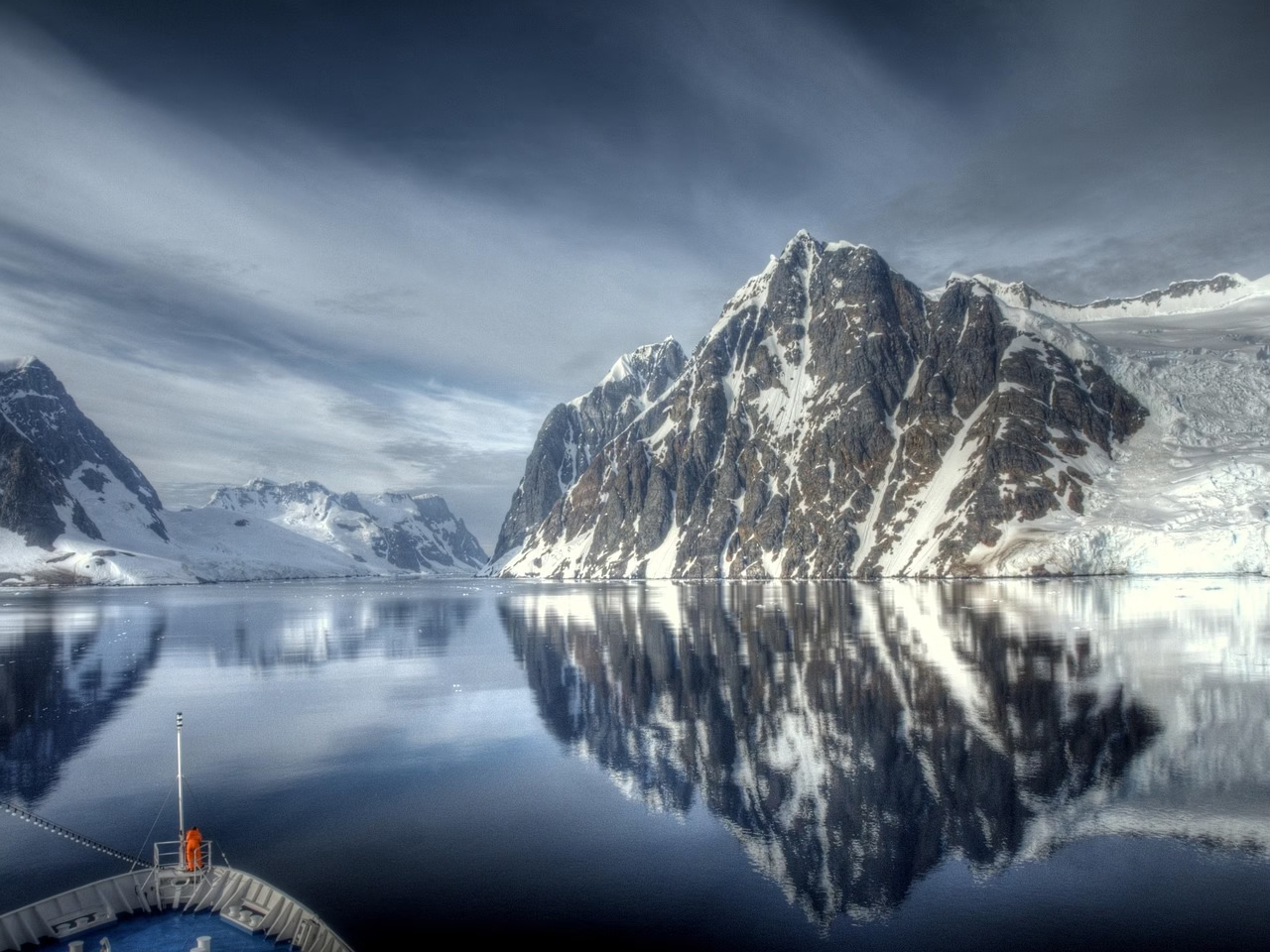
A New Frontier for the Silver Generation
As global travel patterns shift, a growing demographic of retirees is increasingly looking toward Antarctica as their next major travel destination. Throughout 2024, adventure cruise operators have reported a significant uptick in travelers aged 65 and older, who are choosing the remote, icy landscapes of the Southern Ocean over traditional European or tropical vacations. This trend is driven by a desire for bucket-list experiences combined with the availability of luxury expedition vessels that prioritize accessibility and comfort.
Understanding the Rise of Polar Tourism
Antarctica has evolved from a strictly scientific frontier into an accessible destination for civilian travelers over the last two decades. While once reserved for hardened explorers, modern expedition ships now feature stabilizers, high-end dining, and medical facilities that mitigate the physical challenges of the Southern Ocean. The International Association of Antarctica Tour Operators (IAATO) reports that tourism numbers have rebounded significantly post-pandemic, with a notable shift toward older demographics who possess both the time and the financial resources to commit to these high-cost, long-duration voyages.
The Appeal of Expedition Cruising
For many retirees, the draw of Antarctica is the unique combination of intellectual stimulation and physical adventure. Unlike standard cruises, these voyages emphasize educational programming led by marine biologists, glaciologists, and historians. Passengers spend their days participating in Zodiac excursions to observe penguin colonies, seal populations, and massive ice formations, all while enjoying the safety of a guided, small-group environment.
Dr. Elena Vance, a travel industry analyst, notes that the “active retirement” movement is the primary catalyst for this shift. “Today’s retirees are not looking for passive vacations; they are seeking transformative experiences that offer a sense of accomplishment and profound connection to the natural world,” Vance explains. The structured nature of these expeditions provides a secure framework for seniors to explore one of the most volatile environments on Earth without having to manage the logistical complexities of independent travel.
Economic and Logistical Considerations
The cost of an Antarctic expedition remains high, typically ranging from $8,000 to over $25,000 per person. However, financial planners increasingly see this as a reflection of the “experience economy,” where retirees prioritize experiential spending over material acquisitions. Furthermore, the development of fly-cruise options—which allow travelers to bypass the famously turbulent Drake Passage by flying directly to King George Island—has opened the door for those who previously avoided the region due to concerns over seasickness or physical endurance.
Future Implications for the Industry
The influx of older travelers to the Antarctic region is prompting cruise lines to invest heavily in accessibility infrastructure. Future vessels are being designed with more elevators, specialized medical suites, and enhanced stability technology to cater to a demographic that values comfort alongside adventure. Industry observers suggest that as technology continues to improve, we may see a rise in “multi-generational expedition travel,” where retirees bring their grandchildren to witness the impacts of climate change firsthand.
Moving forward, the industry faces the challenge of balancing this increased demand with environmental sustainability. As regulatory bodies like the Antarctic Treaty System tighten guidelines on visitor numbers and vessel emissions, prospective travelers should monitor how these policies affect booking availability and expedition costs. The focus for the next decade will likely center on “carbon-neutral” polar exploration, a development that will be critical for maintaining the region’s pristine status while accommodating the growing interest from the global retirement community.






















Leave a Reply