


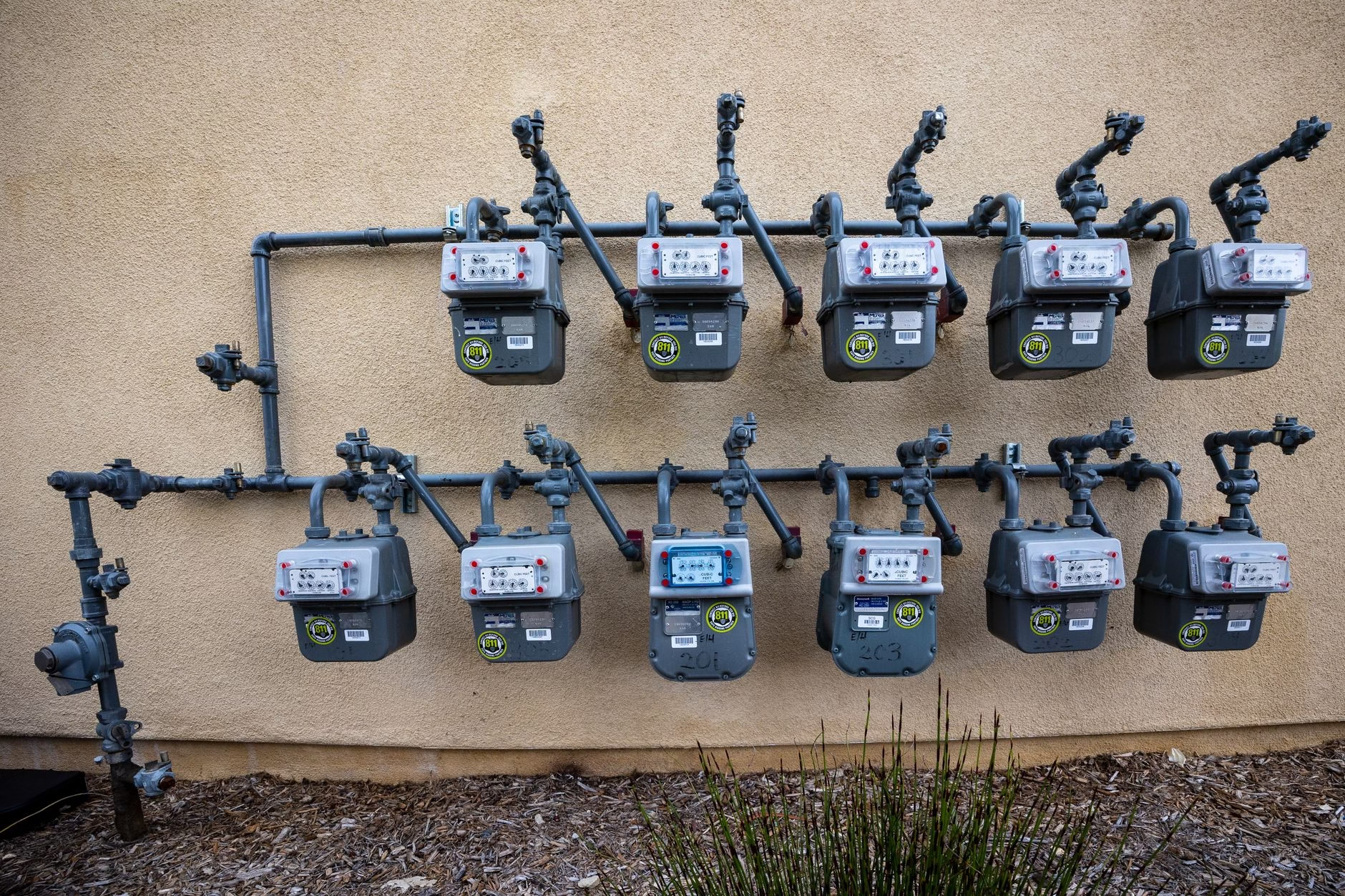
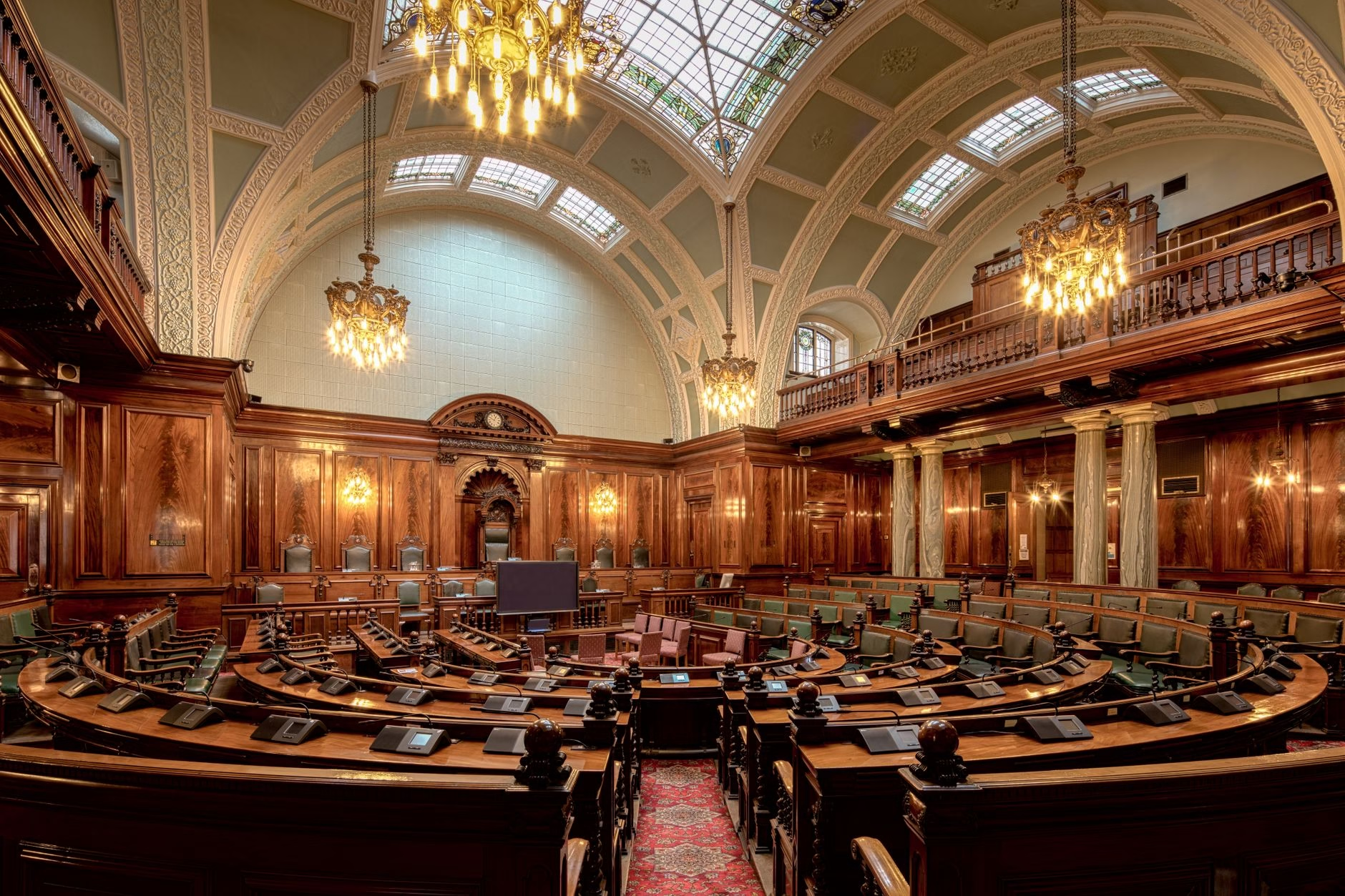
Lawmakers in the United States Senate have announced a breakthrough bipartisan agreement on new legislation designed to streamline the permitting process for energy and infrastructure projects. The initiative addresses persistent regulatory bottlenecks that currently cause delays lasting many years. The legislative push comes as policymakers race to address rapidly increasing electricity demand nationwide.
Background on Energy Permitting Challenges
For years, developers of traditional and modern power facilities have navigated a complex web of federal reviews, environmental assessments, and legal hurdles. These lengthy procedures often stall vital construction efforts for a decade or more. Supporters of reform argue that current protocols hinder economic growth, impede grid reliability, and delay the transition toward a more robust national energy supply.
The Bipartisan Compromise
Negotiators from across the political spectrum spent months working behind closed doors to bridge deep philosophical divides regarding environmental protections and fossil fuel development. The resulting bipartisan framework strikes a delicate balance. It seeks to curb excessive litigation and shorten timelines for project approvals while maintaining essential oversight and community input safeguards.
Addressing Rising Electricity Demand
Power demand across the country has surged significantly, driven by the expansion of data centers, artificial intelligence technologies, manufacturing reshoring, and the electrification of transportation. Utilities and grid operators have warned that without swift additions to generation capacity and transmission lines, the system could face severe reliability strains. Lawmakers crafted this package specifically to unlock new capacity and accelerate the deployment of generation resources.
Project Categories and Streamlining Measures
Under the proposed terms, the legislation targets multiple sectors of the energy economy. This includes streamlining reviews for transmission lines that move power across state lines, expediting renewable energy installations on public lands, and clarifying rules for conventional energy production. By establishing stricter deadlines for federal agencies to complete environmental reviews, the bill aims to reduce uncertainty for project developers and investors.
Next Steps in the Legislative Process
Although lawmakers have finalized the compromise text, the bill still faces a traditional legislative journey through both chambers of Congress. Floor debates, potential amendments, and procedural votes lie ahead. Proponents remain optimistic that the urgent need for grid reliability and economic expansion will motivate members to advance the legislation toward a final vote.





















Leave a Reply