


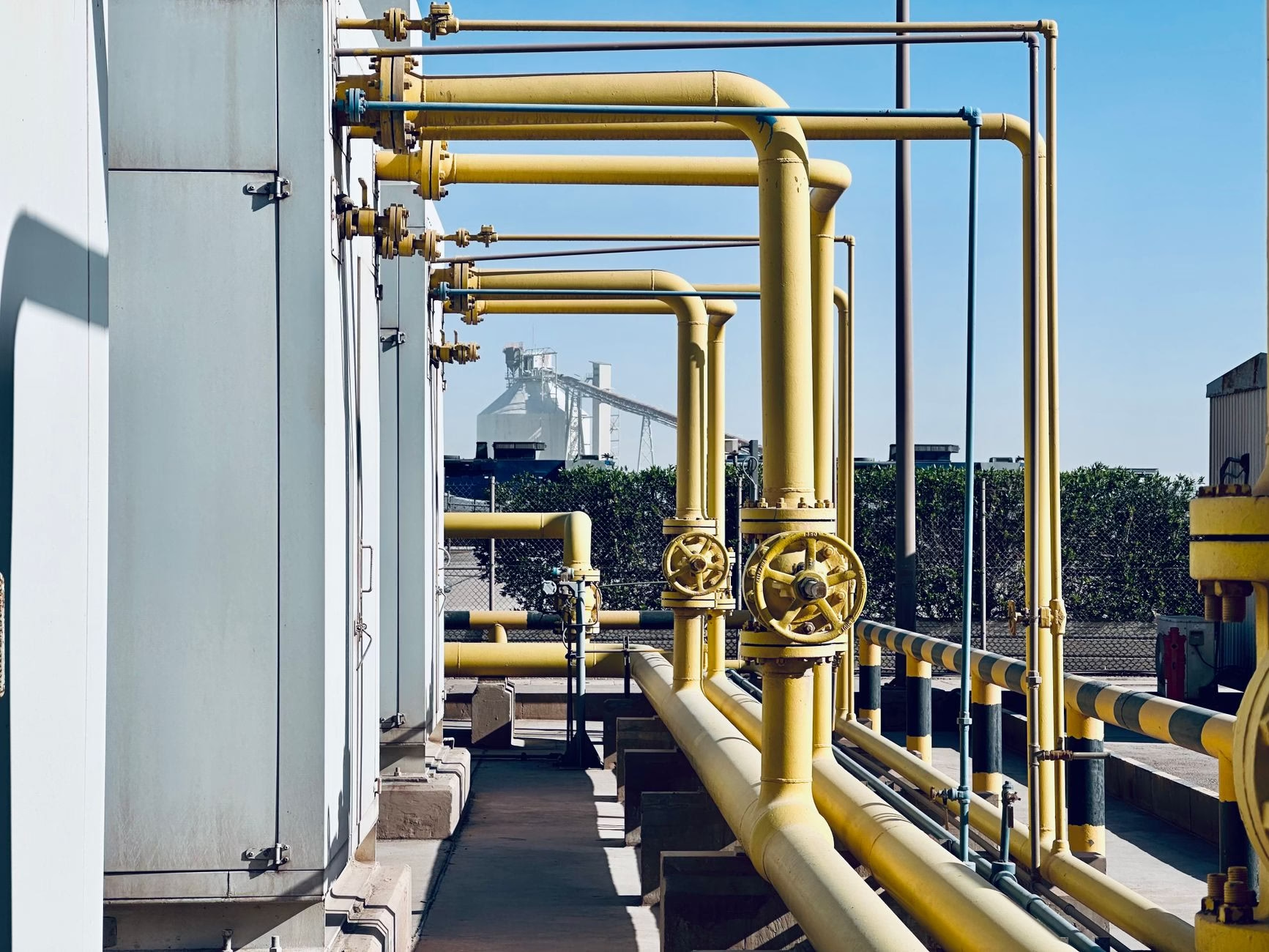
The recent closure of a major Saudi pipeline has raised serious concerns regarding international crude deliveries to markets across Europe and Asia. Energy experts are closely monitoring the situation as state officials work to assess the damage and restore full operational capacity to the damaged infrastructure. This unexpected disruption highlights vulnerabilities in critical energy supply routes and places immediate pressure on existing petroleum reserves.
Understanding the Strategic Importance of the Pipeline
The affected infrastructure serves as a vital corridor for transporting crude oil from major production fields to export terminals. By bypassing longer maritime routes, the system allows for the rapid and efficient movement of vast quantities of petroleum. When an arterial pipeline of this magnitude faces a sudden shutdown, the logistical impact reverberates quickly throughout the global energy market.
Immediate Impact on European and Asian Markets
Refineries across Europe and Asia depend heavily on consistent crude shipments from the Middle East to maintain daily operations. With the primary transit route temporarily offline, buyers in these regions face potential delays and increased logistical costs. While alternative shipping methods exist, they often lack the sheer volume capacity of the pipeline, creating a temporary bottleneck in the international petroleum supply chain.
Utilization of Strategic Storage Reserves
To mitigate the immediate effects of the disruption, authorities are drawing upon extensive domestic stockpiles. These stored reserves provide a vital buffer, ensuring that commercial commitments can be met while engineers work to repair the infrastructure. However, prolonged reliance on stored supplies introduces questions regarding long-term inventory levels if the outage extends beyond initial estimates.
Market Reactions and Price Volatility
Global energy markets reacted swiftly to news of the shutdown, with crude futures experiencing noticeable fluctuations. Traders and analysts are weighing the duration of the outage against the availability of strategic reserves and alternative production capacities. Sustained disruptions typically drive price increases, adding financial pressure to importing nations already navigating complex economic landscapes.
Path Forward and Repair Operations
Technical teams have been deployed to the site to conduct thorough assessments and initiate necessary repairs. Safety protocols remain a top priority given the hazardous nature of the infrastructure. Industry observers expect a phased restoration of flow rates once integrity checks are successfully completed, though a definitive timeline for full operational recovery is still being evaluated by state energy officials.






















Leave a Reply