


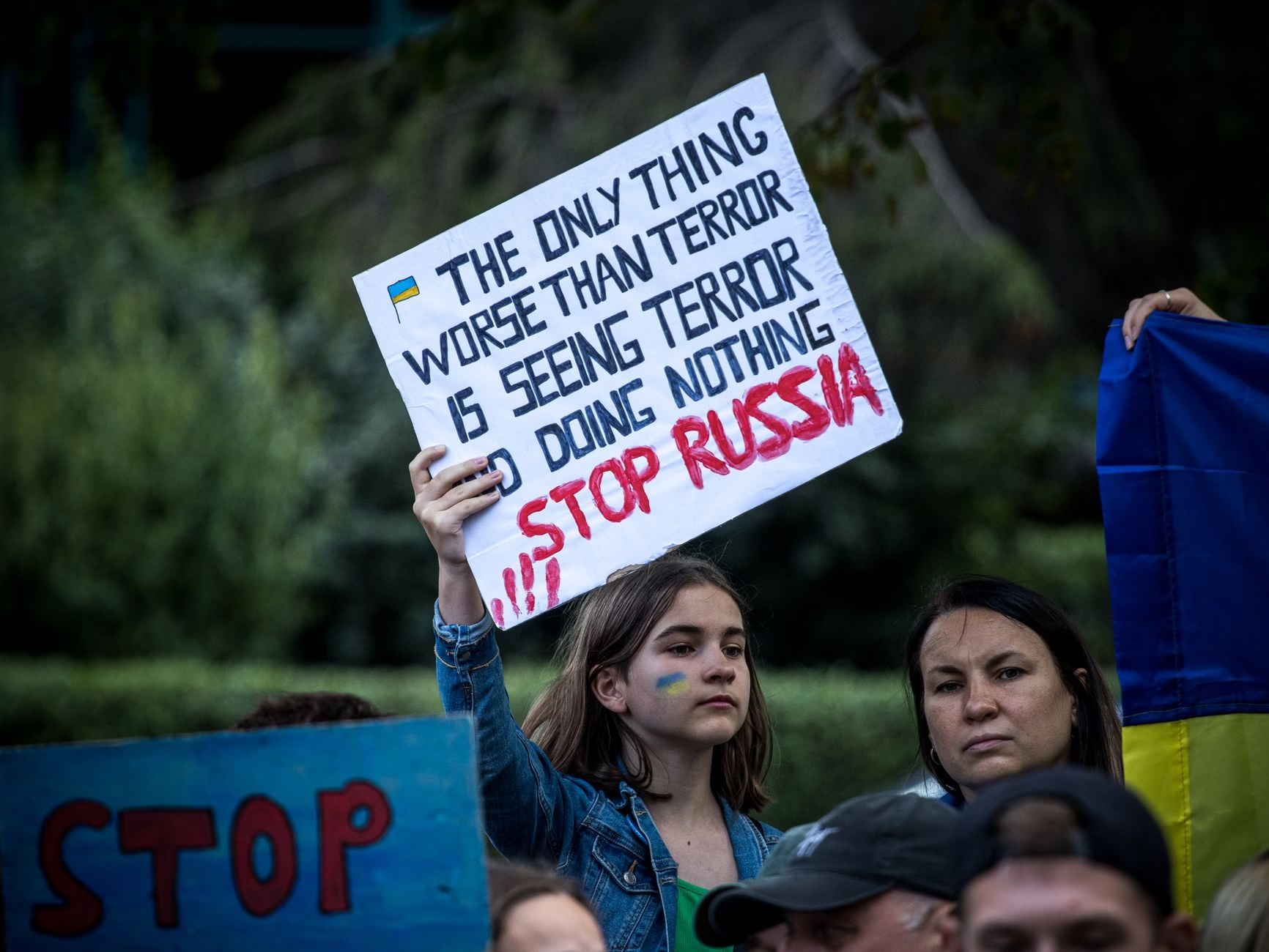
The ongoing conflict between Russia and Ukraine has entered a phase marked by a notable intensification of long-range drone and missile strikes. This development has not only altered the dynamics of the battlefield but has also significantly heightened international anxieties regarding the potential for further escalation. The strategic implications of these sustained long-distance engagements are profound, impacting both military operations and the broader geopolitical landscape.
Intensification of Long-Range Engagements
The recent period has witnessed a discernible increase in the frequency and scope of attacks utilizing long-range capabilities. Both sides have reportedly deployed advanced drones and various missile systems to strike targets situated deep within opposing territories. This shift towards more distant engagements represents a critical evolution in the conflict, moving beyond frontline skirmishes to encompass broader strategic objectives. The nature of these intensified strikes suggests a deliberate strategy to exert pressure, disrupt logistics, and degrade enemy capabilities from afar. Such actions inherently carry a higher risk of miscalculation and unintended consequences, contributing to the prevailing sense of unease.
Strategic Significance of Long-Range Strikes
Long-range drone and missile strikes hold immense strategic value in modern warfare. They enable combatants to target critical infrastructure, military command centers, supply lines, and industrial facilities without direct engagement of ground forces. This capability allows for the projection of power and the infliction of damage far beyond conventional battle lines. The ability to strike deep behind enemy lines can significantly impact an adversary’s war-fighting capacity, morale, and economic stability. Furthermore, these strikes can serve as a psychological weapon, creating a pervasive sense of insecurity among civilian populations and disrupting daily life. The strategic calculus behind such operations often involves a careful balance between achieving military objectives and managing the risk of broader conflict.
The Evolving Role of Drone Warfare
Drones, or unmanned aerial vehicles (UAVs), have emerged as a pivotal component of contemporary military strategy. Their versatility, cost-effectiveness, and ability to operate in high-risk environments make them invaluable assets for reconnaissance, surveillance, and precision strikes. The intensification of drone attacks underscores their growing importance in the Russia-Ukraine conflict. Long-range drones, in particular, offer the capacity to bypass traditional air defenses and deliver payloads over vast distances. This technological advancement has democratized aerial warfare to some extent, allowing for more frequent and geographically dispersed attacks. The continuous innovation in drone technology, including improved range, payload capacity, and autonomy, ensures their enduring relevance in future conflicts and contributes to the complexity of the current situation.
Impact of Advanced Missile Systems
Alongside drones, advanced missile systems play a crucial role in the long-range engagements currently observed. These systems, ranging from ballistic to cruise missiles, possess the capability to deliver substantial destructive power with high accuracy over considerable distances. The deployment and intensification of such missile strikes signal a commitment to degrading an adversary’s strategic assets and infrastructure. The sheer destructive potential of these weapons means that each strike carries significant weight, both in terms of physical damage and the psychological impact on the targeted population. The use of these sophisticated weapons systems highlights the advanced nature of the conflict and the significant resources being committed by both sides.
Understanding Escalation Dynamics
The growing fears of further escalation are a direct consequence of the intensified long-range strikes. Escalation in conflict refers to an increase in the intensity, scope, or geographical spread of hostilities. It can manifest in various forms, such as the use of more powerful weapons, targeting new types of objectives, or involving additional actors. The current pattern of long-range attacks raises concerns because it pushes the boundaries of engagement, potentially provoking a reciprocal response that could lead to a dangerous upward spiral. Each intensified strike carries the risk of crossing a perceived red line, leading to retaliatory actions that are more severe or expansive than previous ones. This dynamic creates a precarious environment where miscalculation or overreaction could have far-reaching and unintended consequences.
Geopolitical Repercussions and Regional Stability
The intensification of long-range strikes between Russia and Ukraine has significant geopolitical repercussions that extend beyond the immediate conflict zone. Such actions inherently contribute to regional instability, raising alarm among neighboring countries and international observers. The potential for the conflict to spill over, either directly through accidental strikes or indirectly through increased regional tensions, is a constant concern. Global powers closely monitor these developments, recognizing that a significant escalation could destabilize broader international relations and security frameworks. The ongoing situation underscores the interconnectedness of global security, where localized conflicts can have ripple effects across continents. The international community grapples with the challenge of de-escalation, seeking pathways to mitigate risks and prevent a wider conflagration.
Humanitarian and Civilian Impact
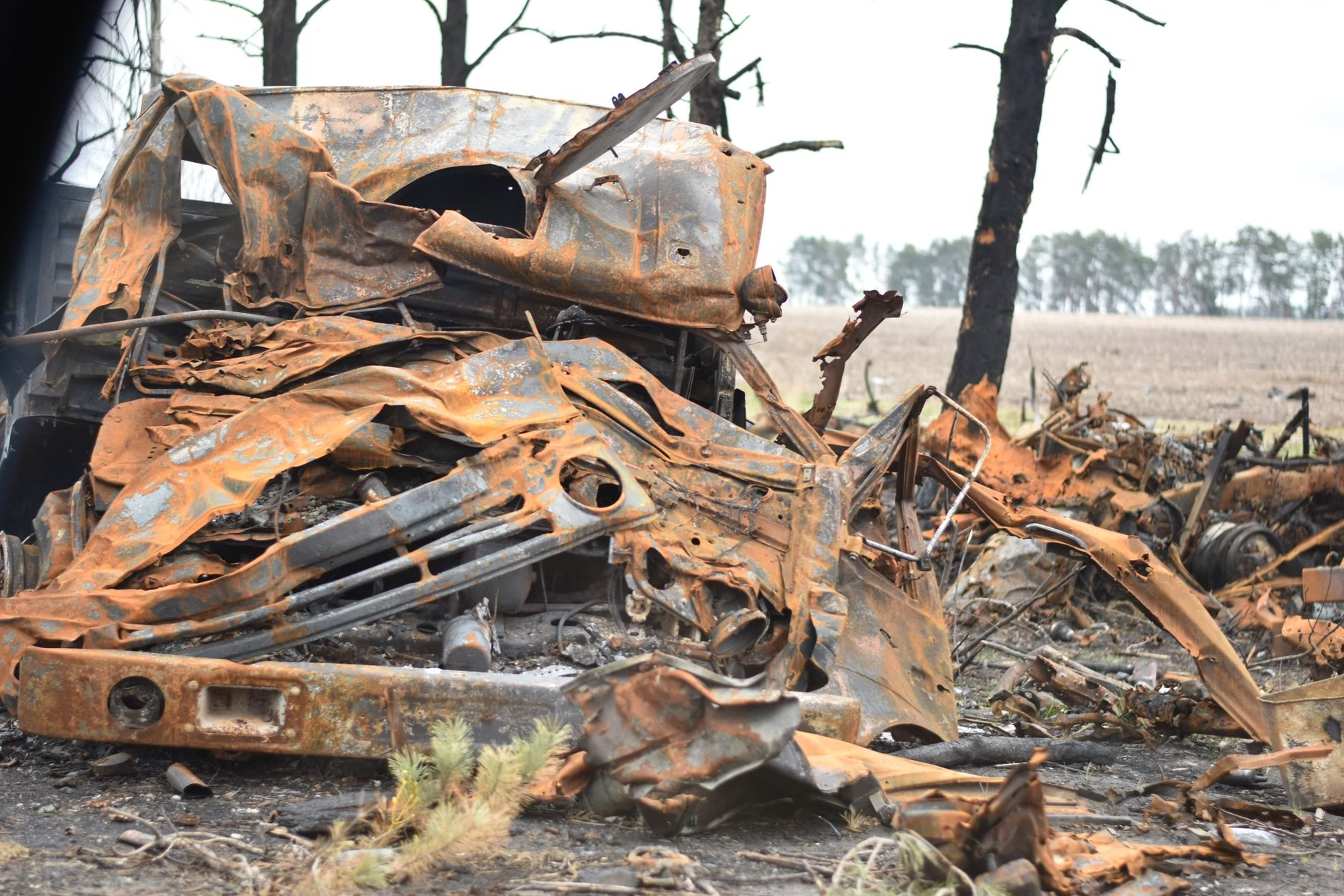
Beyond military and strategic considerations, the intensification of long-range strikes carries severe humanitarian consequences. Civilian populations often bear the brunt of such attacks, facing risks to life, limb, and livelihood. Critical civilian infrastructure, including residential buildings, energy grids, and transportation networks, can become collateral damage or even direct targets. The disruption of essential services, displacement of populations, and psychological trauma inflicted by these attacks create a profound humanitarian crisis. The constant threat of long-range strikes fosters an environment of fear and uncertainty, severely impacting the quality of life for millions. Addressing these humanitarian concerns remains a paramount challenge for international organizations and aid agencies.
The Path of Uncertainty
The current trajectory of intensified long-range drone and missile strikes introduces a significant degree of uncertainty regarding the future direction of the Russia-Ukraine conflict. The strategic objectives behind these actions, coupled with the potential for unforeseen reactions, make it challenging to predict the next phase. The international community continues to call for restraint and de-escalation, but the immediate prospects for a reduction in hostilities appear complex. The ongoing nature of these long-distance engagements suggests a protracted conflict where both sides are committed to leveraging their technological capabilities to gain an advantage. Navigating this period of heightened tension requires careful diplomacy and a clear understanding of the risks involved.
Conclusion
The intensification of long-range drone and missile strikes in the Russia-Ukraine conflict marks a critical and concerning development. This strategic shift, characterized by the deployment of advanced weaponry to strike distant targets, has undeniably heightened fears of further escalation. The implications are far-reaching, affecting military strategies, regional stability, and the humanitarian situation. As the conflict continues to evolve, the international community remains vigilant, recognizing the imperative to monitor these developments closely and explore all avenues for de-escalation to avert a broader and more devastating confrontation. The current period underscores the volatile nature of modern warfare and the urgent need for pathways towards a lasting resolution.






















Leave a Reply