



The 2026 Red Sea Blockade: Why Your Supply Chain Just Got 30 Days Longer
As of late May 2026, the geopolitical landscape in the Middle East has shifted from localized skirmishes to a systemic blockade of the Bab-el-Mandeb strait. For business owners and logistics managers, the ‘wait and see’ approach is no longer viable. The India-Middle East-Europe Economic Corridor (IMEC), once touted as the ‘New Silk Road,’ is facing its first existential test.
The Current Situation: May 2026
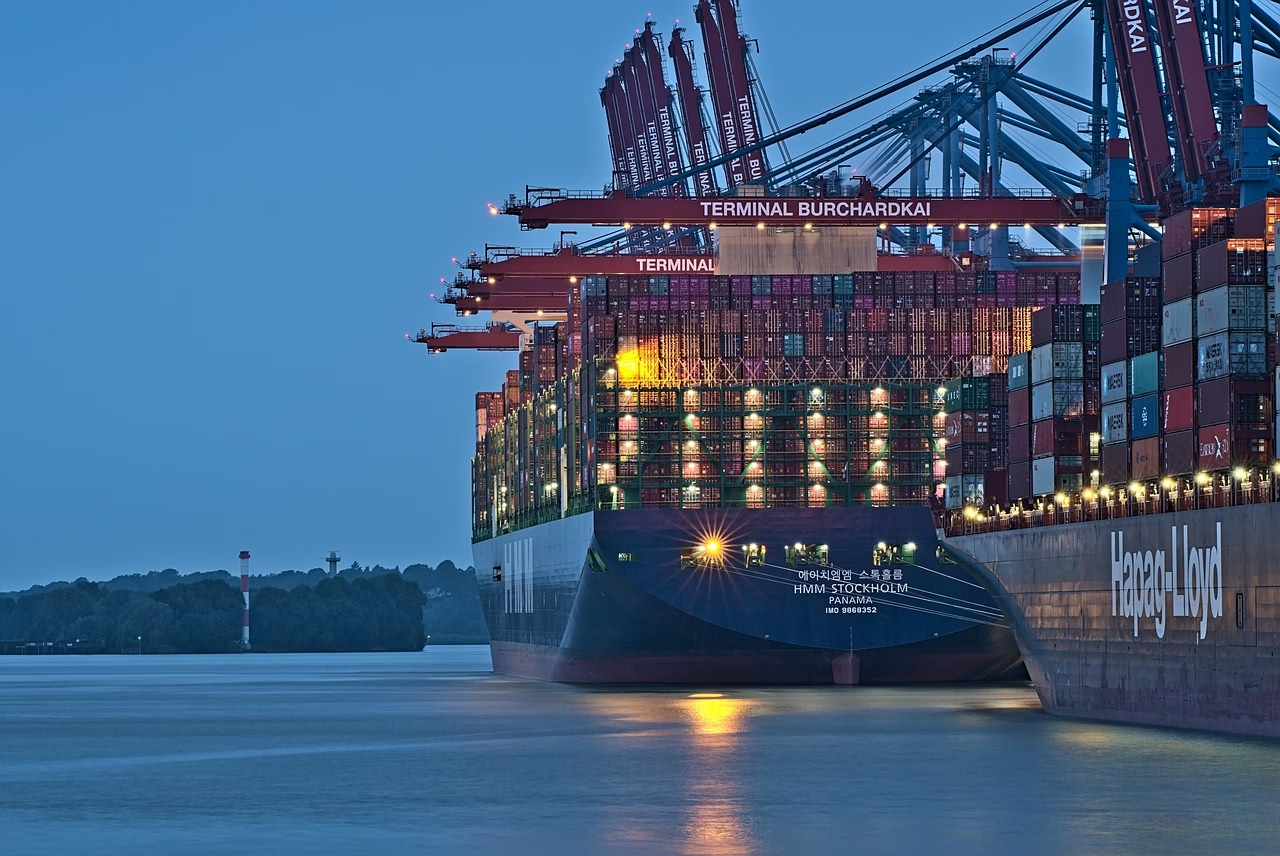
Recent escalations have effectively halted 80% of commercial transit through the Suez Canal. Unlike the disruptions of 2024, the current 2026 crisis involves advanced drone interdiction and a ‘War Risk’ insurance premium hike that has made the Red Sea route economically suicidal for non-state-aligned vessels. Shipping giants have officially rerouted all Asia-Europe traffic around the Cape of Good Hope.
The Tool: Tracking the Shift in Real-Time
To navigate this, professional analysts are moving away from mainstream news and using MarineTraffic (Live AIS Data) combined with Xeneta Freight Index.
- How to use it: Filter MarineTraffic for ‘Tankers’ and ‘Cargo’ in the Gulf of Aden. If the ‘Density Map’ shows a 60% drop in 48 hours, expect a 15-20% surge in air-freight demand within 72 hours.
- What to watch: Monitor the ‘vessel congestion’ at the Port of Salalah and Jebel Ali. When these hub ports overflow, your inventory lead times will slip by an average of 14 days.
The Direct Impact on Your Business
This isn’t just about ‘global tension’; it’s about your bottom line. Here is how the May 2026 crisis is hitting operations right now:
- Inventory Carry Costs: The reroute around Africa adds 10–14 days to transit. For freelancers and small e-commerce brands, this means your capital is locked in ‘floating inventory’ for two weeks longer than planned.
- Currency Volatility: The Egyptian Pound and the Euro are seeing increased volatility as Suez revenue drops. If you are paying international contractors in these regions, lock in your exchange rates now.
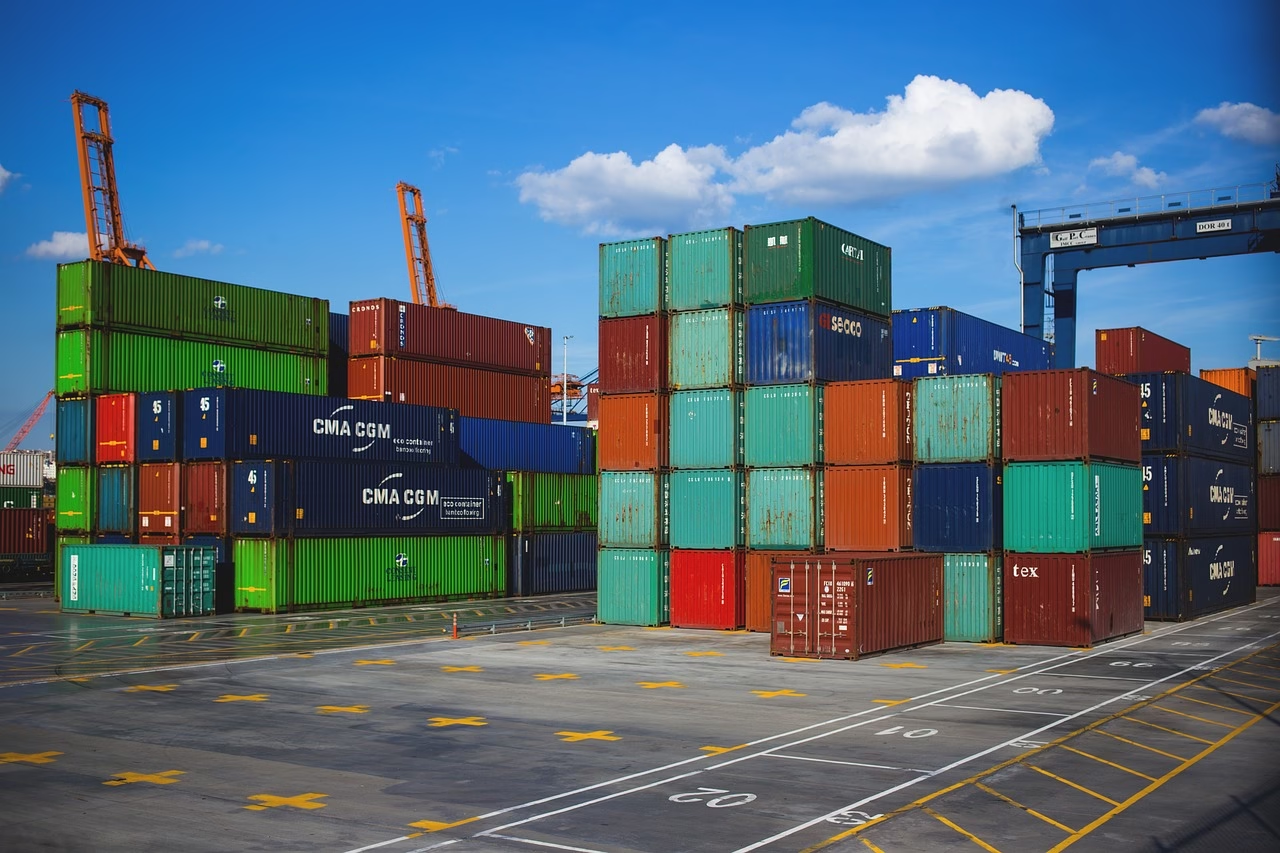
- Surcharge Reality: Carriers are implementing ‘Emergency Risk Surcharges’ (ERS). Expect a $2,000 to $3,500 increase per 40ft container compared to April 2026 levels.
Strategic Actions for Investors and Managers
- Audit Your Incoterms: If you are buying ‘FOB’ (Free On Board), you are likely on the hook for these new surcharges. Renegotiate to ‘DDP’ or ‘CIF’ where possible to shift the risk to the carrier.
- Diversify to Sea-Air Hybrid: Route goods via sea to Dubai (Jebel Ali), then fly them to Europe. It’s more expensive than sea, but 20 days faster than the Cape route, saving your Q3 product launches.
- Monitor the ‘Real’ Data: Stop following political pundits. Watch the SCFI (Shanghai Containerized Freight Index) every Friday. If the index climbs more than 5% weekly, trigger your emergency pricing tiers for customers immediately.
The Bottom Line: The 2026 blockade is a reminder that ‘just-in-time’ logistics is a liability in a multi-polar world. Use real-time AIS tracking to see the delay before your carrier even sends the email.
























Leave a Reply