


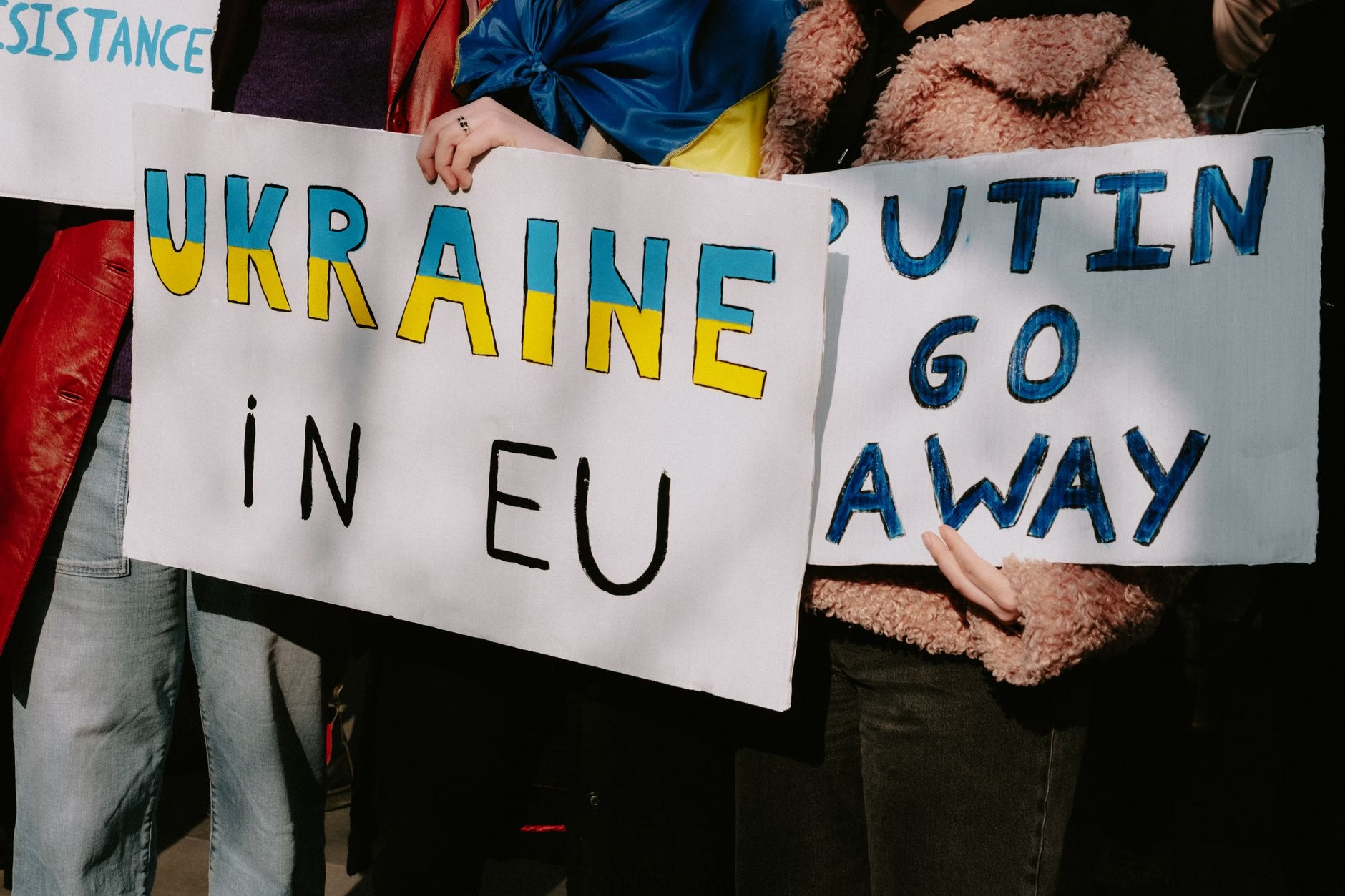
The Russian leadership has issued a stern caution regarding the ongoing geopolitical crisis in Eastern Europe. According to recent statements from the Kremlin, any decision by European nations to deploy military personnel directly into Ukrainian territory would cross a critical threshold and result in a direct military confrontation between Moscow and the continent.
Introduction to the Escalation
The geopolitical landscape in Eastern Europe remains deeply unstable as international actors debate the best path forward to achieve lasting security. Amid these high-stakes diplomatic and strategic discussions, leaders across Western capitals continue to evaluate various forms of military and logistical backing for the Ukrainian government.
The official stance from Moscow, however, has drawn a definitive line in the sand. Russian President Vladimir Putin emphasized that introducing foreign troops from European countries into the war zone would fundamentally alter the nature of the crisis, transforming it from a regional conflict into an outright confrontation involving major nuclear powers.
Analyzing the Kremlin Warning
The declaration highlights the immense risks associated with any escalation of foreign involvement on the ground. Military analysts have long debated the potential consequences of establishing a Western military footprint within Ukraine, noting that such moves could trigger immediate retaliatory actions from Russian forces.
By framing the deployment of European soldiers as a direct act of hostility, the Russian administration aims to deter foreign governments from taking steps that could expand the geographic scope of the fighting. The warning underscores the precarious nature of international diplomacy and the narrow margins for error that currently define East-West relations.
Implications for European Security
For European leaders, the challenge lies in balancing their commitment to regional defense with the urgent need to prevent a wider conflagration. Many capitals have been weighing different proposals to enhance security guarantees for Kyiv, ranging from increased weapon shipments to training programs conducted outside the active combat zones.
However, suggestions involving the physical presence of national troops inside Ukraine have consistently met with deep division among allies. While some proponents argue that a stronger deterrent is necessary to halt further advances, cautious voices warn that such actions could quickly spin out of control and lead to devastating consequences for global stability.
Path Forward and Diplomatic Challenges
The international community continues to grapple with the complexities of the situation as diplomatic channels remain strained. Finding a viable resolution requires careful navigation of competing security demands and an acute awareness of the red lines drawn by the involved parties.
As the dialogue persists, the central question for European policymakers is how to support stability without provoking an irreversible escalation. The latest statements from Moscow serve as a sharp reminder of the high stakes involved in every strategic decision regarding the future of European security and the conflict in Ukraine.


















Leave a Reply