


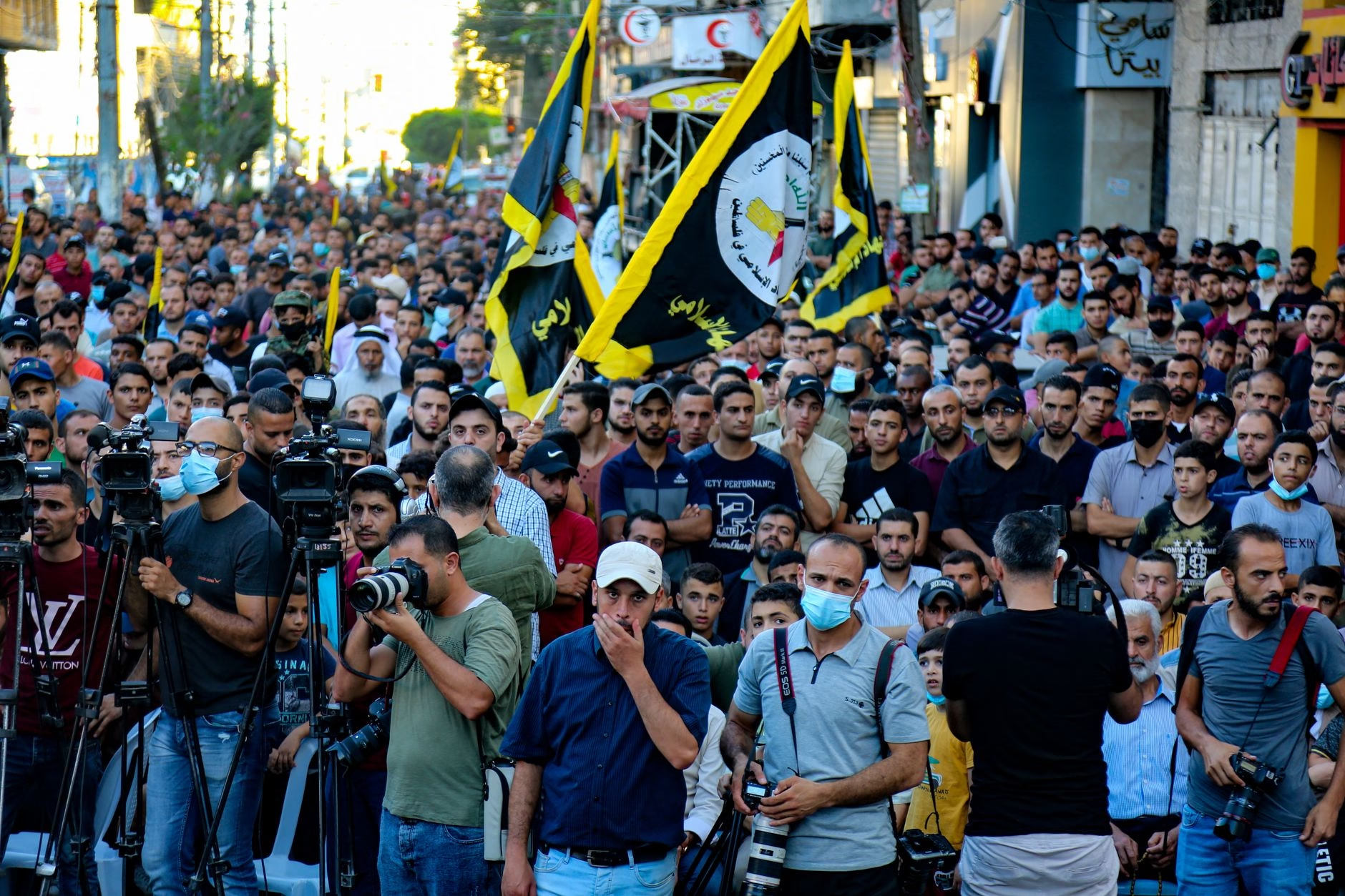
Gaza Mass Burial
Residents in Gaza gathered to bury the remains of 100 people whose bodies were recently recovered from beneath the rubble of destroyed buildings. The solemn event highlighted the ongoing human toll and the severe challenges facing local communities in retrieving and identifying victims of the prolonged conflict.
The recovery of the remains represents a grim milestone for families searching for missing loved ones. Many of the bodies were recovered in a state that made immediate visual identification impossible, compounding the grief of an already devastated population.
Challenges in Identification and Recovery
Emergency responders and civil defense teams face monumental obstacles when attempting to clear debris and locate bodies. Severe shortages of heavy machinery, fuel, and basic rescue tools mean that much of the excavation work must be conducted using rudimentary equipment or bare hands.
Because forensic resources are severely limited, identifying the deceased presents a profound difficulty. Many remains are placed into communal graves after standard protocols for identification cannot be completed due to the lack of infrastructure and forensic specialists in the region.
Humanitarian Impact on Families
The inability to properly identify victims leaves many families in a state of indefinite uncertainty. Relatives often spend weeks or months visiting makeshift morgues and searching through recovery sites in hopes of finding closure.
The psychological strain on the community is immense. Collective burials, while necessary due to public health and logistical constraints, deny grieving families the opportunity for traditional individual farewells and memorials.
International Concerns
Humanitarian organizations have repeatedly raised alarms regarding the conditions in the territory, pointing to the collapse of local medical and municipal services. The handling of human remains requires specialized care, refrigeration, and forensic capacity, all of which have been severely impacted by the ongoing destruction.
Calls for increased international support, including the entry of specialized rescue teams and forensic experts, continue to grow. However, access remains heavily restricted, leaving local volunteers and civil defense workers to shoulder the vast majority of the recovery efforts.
Looking Ahead
The burial of the 100 recovered individuals underscores the deep humanitarian crisis persisting in Gaza. As recovery operations slowly continue amidst ongoing risks, the priority for many remains simply to afford the dead a respectful burial while searching for those still missing beneath the widespread destruction.















Leave a Reply