


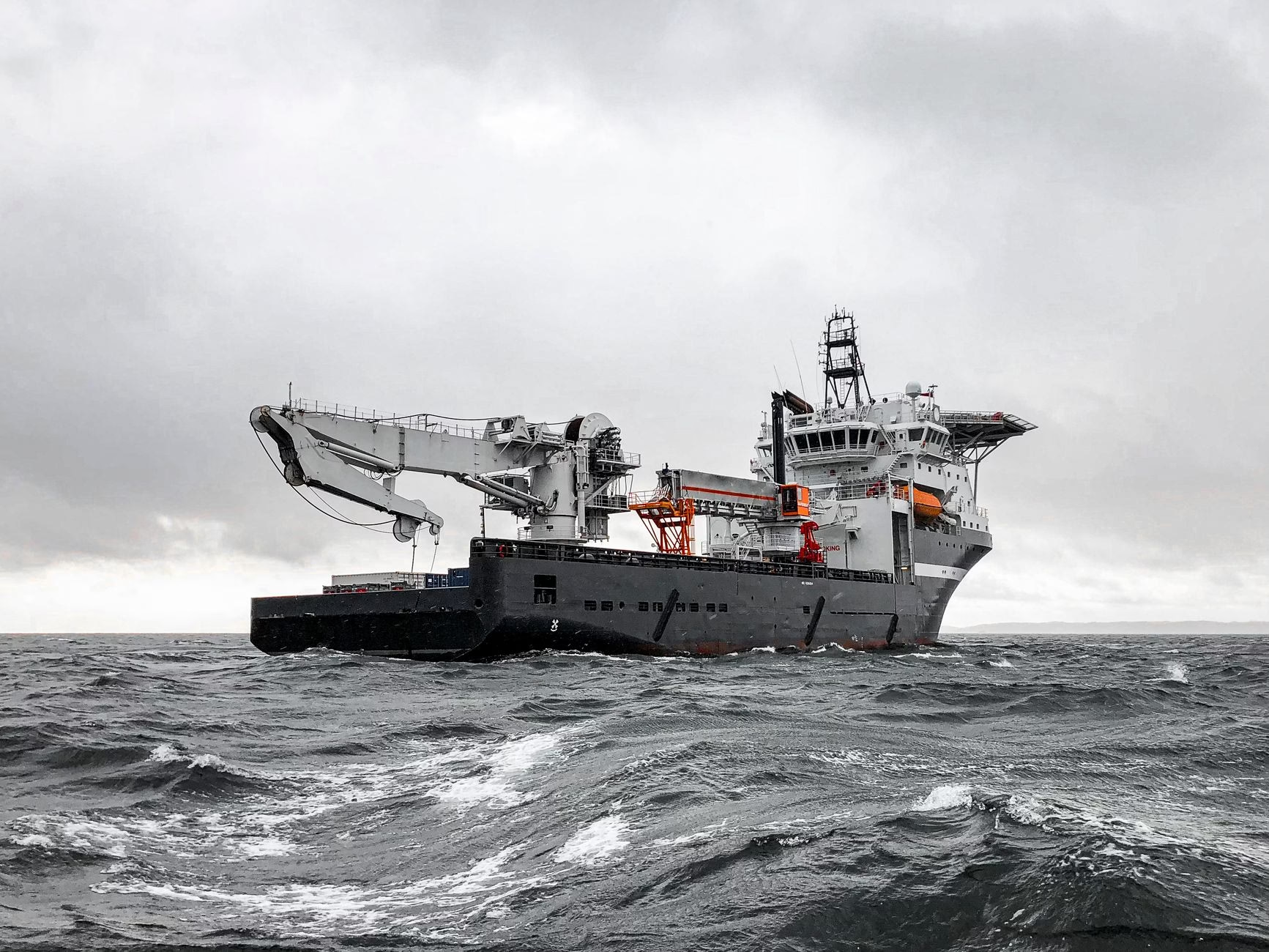
International maritime authorities and legal frameworks have once again found themselves at the center of geopolitical conflict as Norwegian authorities intercepted and detained a Russian-associated vessel. This enforcement action is directly tied to an immense financial claim brought forward by Ukraine, highlighting the growing intersection of cross-border litigation, wartime damages, and maritime law. The move underscores how foreign jurisdictions are increasingly utilized to pursue economic accountability in connection with the ongoing conflict in Eastern Europe.
Legal Grounds and the Multi-Billion Dollar Claim
The detention of the ship stems from a staggering legal claim valued at over four billion dollars. Representatives acting on behalf of Ukrainian interests initiated the legal proceedings, arguing that assets linked to the Russian state or affiliated entities should be held liable for extensive damages incurred during the conflict. Norwegian courts and enforcement agencies reviewed the petition, ultimately deciding to impound the vessel while the complex legal maneuvers and jurisdictional arguments are thoroughly examined by the judiciary.
Maritime Law and International Implications
Under international maritime conventions, the seizure of commercial and state-linked vessels in foreign ports is an exceptionally rare and sensitive procedure. Navigational rights, sovereign immunity, and commercial shipping laws create a delicate legal landscape that courts must navigate carefully. By executing this detention, Norway has positioned itself at a critical juncture of international jurisprudence. Legal experts are closely monitoring the case to determine whether similar strategies could be replicated in other European jurisdictions seeking to enforce financial judgments against foreign assets.
Diplomatic Fallout and Future Outlook
Diplomatic channels are expected to experience heightened friction as officials in Moscow respond to the confiscation of the vessel. Governments often view the detention of state-affiliated property as an aggressive diplomatic provocation, raising concerns about potential retaliatory measures against foreign shipping or commercial interests operating within specific regional waters. Meanwhile, the legal teams representing the claimants will prepare for protracted courtroom battles to secure the detained assets or compel financial settlements. As this case progresses through the judicial system, it serves as a prominent example of how international borders no longer shield state assets from the long-term financial consequences of modern geopolitical disputes.






















Leave a Reply