


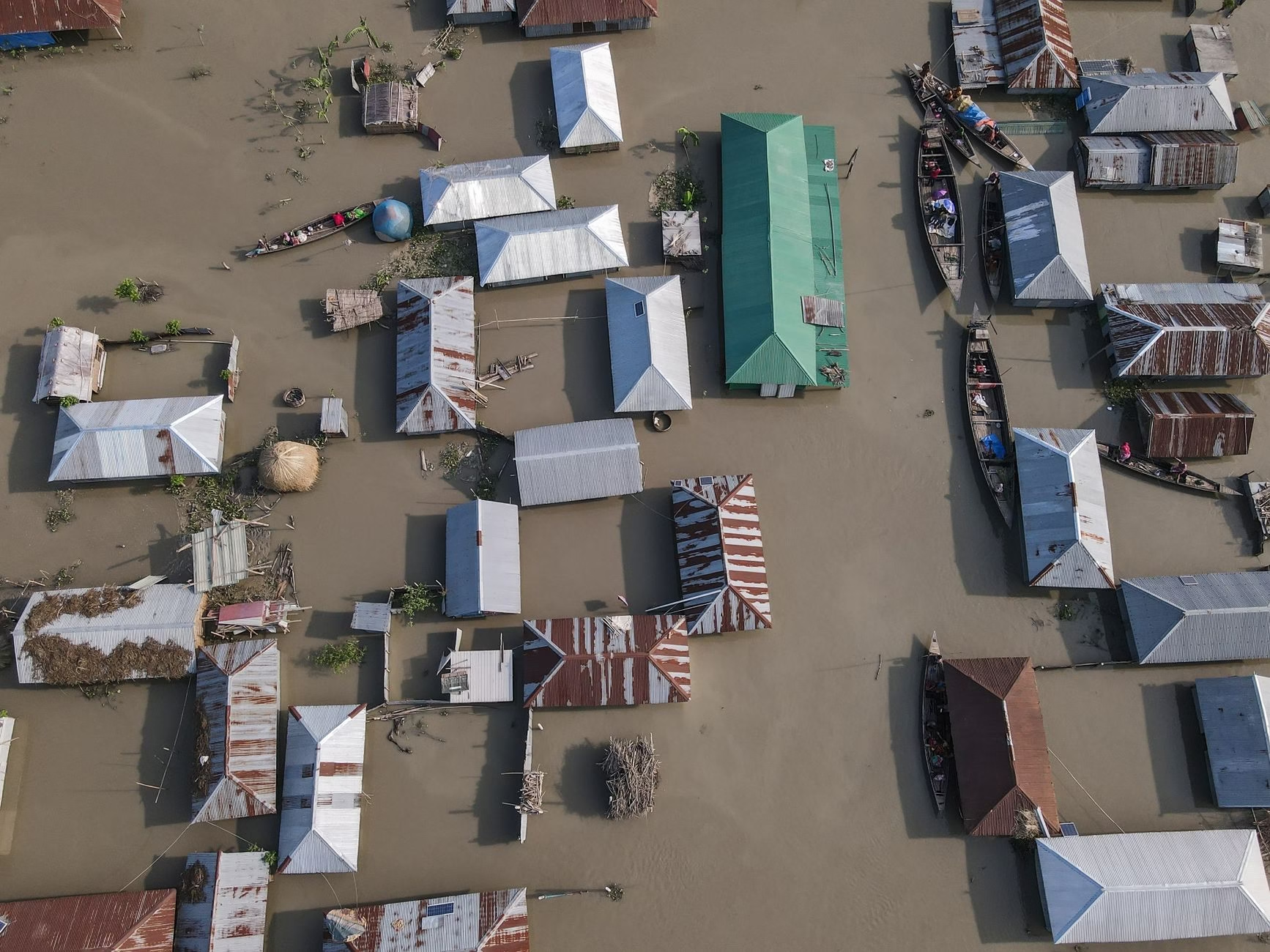
The Himalayan nation of Nepal is grappling with a profound humanitarian crisis as the death toll from recent floods has tragically escalated to 1,127. This somber figure underscores the immense scale of the disaster, highlighting the devastating impact on communities and the urgent need for sustained attention and support. The rising number of fatalities paints a stark picture of the challenges faced by the country in the wake of relentless natural forces.
Understanding the Catastrophe’s Scale
A death toll exceeding one thousand represents a catastrophic loss of life, placing immense strain on national resources and deeply affecting countless families. Each number signifies an individual life cut short, leaving behind a ripple effect of grief and hardship. This figure points to widespread destruction, likely encompassing numerous regions and affecting a significant portion of the population through displacement, injury, and loss of livelihoods. The sheer magnitude of these fatalities indicates a disaster of national significance, demanding a comprehensive and coordinated response.
Nepal’s Vulnerability to Natural Disasters
Nepal’s geographical location, characterized by its rugged mountainous terrain, numerous rivers, and a monsoon climate, inherently makes it susceptible to annual flooding and landslides. During the monsoon season, heavy rainfall can rapidly swell rivers, erode unstable slopes, and inundate low-lying areas. This natural vulnerability is often exacerbated by factors such as deforestation, unplanned urbanization, and inadequate infrastructure, which can intensify the impact of climatic events. The recurring nature of these disasters poses an ongoing challenge to development and stability in the region.
Humanitarian Impact and Challenges
Beyond the immediate loss of life, the floods inflict widespread humanitarian suffering. Thousands are often displaced from their homes, seeking refuge in temporary shelters or with relatives. Access to clean water, food, and medical services becomes critically compromised, raising concerns about public health and the potential spread of waterborne diseases. Essential infrastructure, including roads, bridges, and communication networks, frequently sustains severe damage, impeding rescue efforts and the delivery of vital aid to affected areas. The long-term psychological toll on survivors, particularly those who have lost loved ones or their entire livelihoods, is also profound and requires sustained support.
Response and Recovery Efforts
In the face of such widespread devastation, national and international efforts are typically mobilized to provide immediate relief. This includes search and rescue operations, medical assistance for the injured, and the distribution of emergency supplies such as food, shelter materials, and hygiene kits. Reaching remote communities, often cut off by damaged infrastructure, presents a significant logistical hurdle. The coordination of these efforts is crucial to ensure that aid reaches those most in need efficiently and effectively. As the immediate crisis subsides, the focus shifts towards recovery, including rebuilding homes, restoring livelihoods, and repairing damaged infrastructure.
Long-Term Implications and Preparedness
The recurring cycle of floods and their devastating consequences underscore the critical need for enhanced disaster preparedness and mitigation strategies in Nepal. This involves investing in resilient infrastructure, implementing early warning systems, and developing robust evacuation plans. Sustainable land management practices, including reforestation and riverbank stabilization, can help reduce the severity of future events. Furthermore, educating communities about disaster risk and empowering them with the knowledge and resources to respond effectively is paramount. Addressing the root causes of vulnerability, including poverty and environmental degradation, is also essential for building long-term resilience against natural hazards.
Conclusion
The tragic rise in the flood death toll to 1,127 in Nepal serves as a stark reminder of the country’s ongoing struggle with natural disasters. This immense loss of life demands a concerted and compassionate response from both national authorities and the international community. While immediate relief efforts are vital, a sustained commitment to long-term recovery, resilience-building, and proactive disaster risk reduction is indispensable to protect vulnerable populations and mitigate the impact of future climatic events. The memory of those lost reinforces the urgency of these collective efforts.




















Leave a Reply