


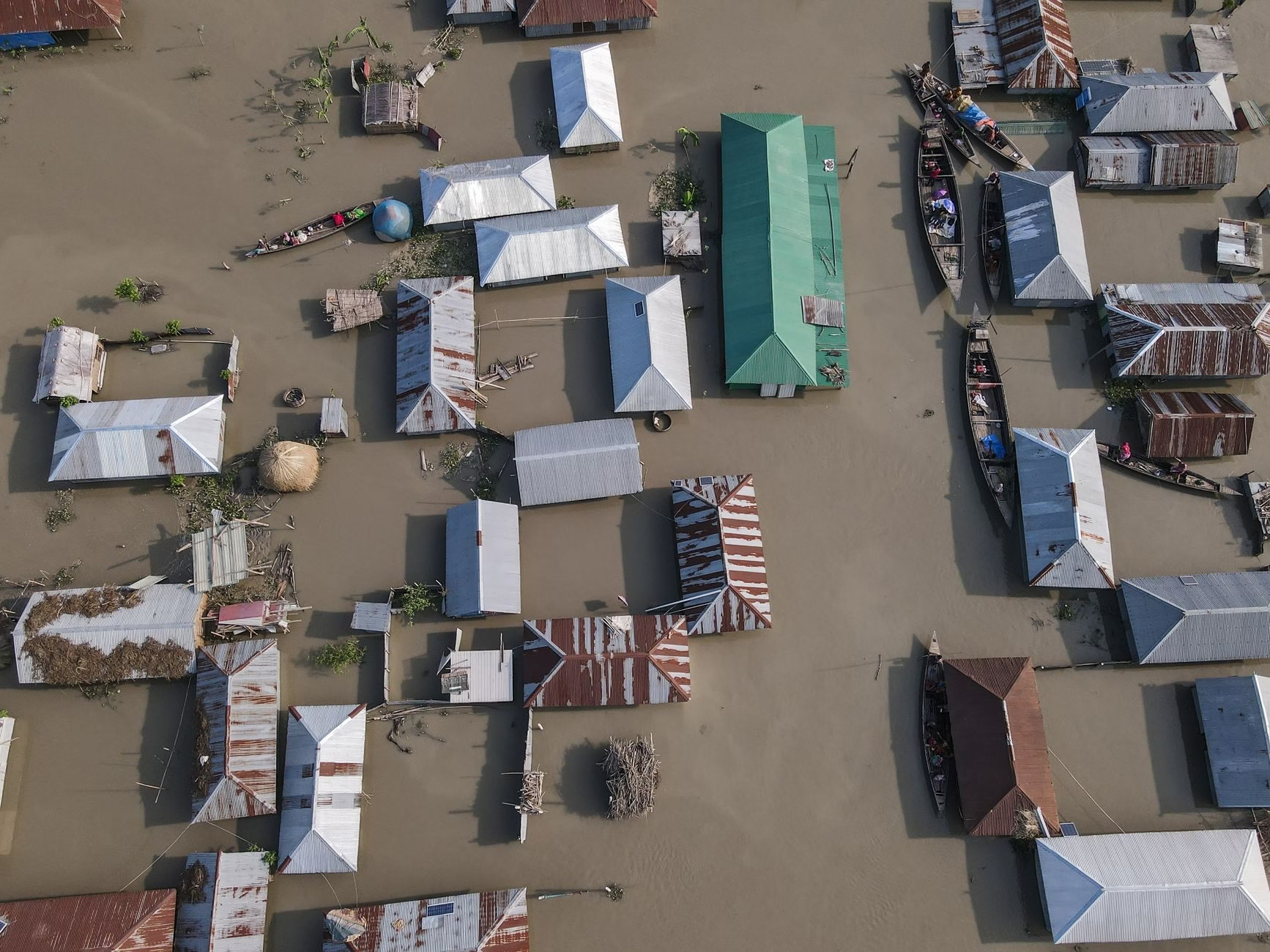
The Himalayan nation of Nepal is currently confronting a profound humanitarian disaster following severe flash floods. Reports indicate a grim toll, with fatalities surpassing 600 individuals. This catastrophic event has also left approximately 3,000 people unaccounted for, sparking widespread concern and intensifying urgent search and rescue missions across affected regions. The sheer scale of the missing persons count underscores the immense challenge faced by authorities and aid organizations in locating survivors and providing assistance to those impacted by the deluge.
The Scale of Human Loss
The confirmed death toll, exceeding 600, represents a tragic loss of life and highlights the destructive power of the recent flash floods. Each fatality signifies a profound personal tragedy for families and communities already vulnerable to natural hazards. The rapid onset and intensity of these floods have likely caught many unprepared, contributing to the high number of casualties. As rescue teams navigate treacherous terrains and debris-strewn areas, the somber task of recovering victims continues, adding to the emotional strain on responders and local populations alike.
The staggering figure of around 3,000 individuals still missing amplifies the gravity of the situation. For every missing person, there are countless family members and friends enduring agonizing uncertainty, desperately hoping for news of their loved ones. This extensive number suggests that entire settlements or significant portions of communities may have been overwhelmed, or that individuals were displaced without immediate means of communication. The search for these missing persons is a monumental undertaking, requiring extensive resources and coordinated efforts across vast and often inaccessible areas.
Challenges to Rescue Operations
The critical window for rescue operations following such a disaster is often narrow, making every hour paramount. However, efforts to locate survivors and provide immediate aid have been significantly hampered by adverse weather conditions. A spokesperson for the Nepali Army confirmed early Saturday that vital helicopter operations, which are indispensable in mountainous and flood-affected terrains, had been temporarily suspended. This decision was made due to the prevailing inclement weather, which rendered aerial missions unsafe and impractical.
The suspension of helicopter services introduces substantial complications for rescue teams on the ground. Helicopters are crucial for rapidly transporting personnel, delivering emergency supplies to cut-off areas, and evacuating critically injured individuals. Without this aerial support, ground teams must contend with more arduous journeys, often through damaged infrastructure and difficult landscapes, which inevitably slows down the pace of life-saving interventions. The inability to deploy air assets effectively means that remote communities, potentially the most severely impacted, may remain isolated for longer periods, exacerbating their plight.
The Critical Role of Aerial Support
In a country characterized by its rugged mountainous topography, aerial support is not merely an advantage but often a necessity during large-scale disasters. Flash floods can obliterate roads, bridges, and other ground infrastructure, making conventional travel impossible. Helicopters offer the only viable means of access to many remote villages and settlements that become isolated. They are instrumental in conducting aerial surveys to assess the full extent of the damage, identify areas requiring immediate attention, and guide ground teams to specific locations where survivors might be trapped or where aid is most urgently needed.
The grounding of these essential aircraft therefore represents a significant setback. It means that the reach of rescue efforts is curtailed, and the speed at which aid can be delivered is drastically reduced. For those injured or stranded in remote areas, every minute counts, and delays in medical evacuation or the provision of shelter and food can have dire consequences. The decision to halt operations, while necessary for the safety of flight crews, underscores the formidable environmental challenges confronting the disaster response in Nepal.
Humanitarian Implications and Response
The immediate aftermath of such a widespread disaster extends beyond the direct casualties and missing persons. Thousands more are likely to be displaced, losing their homes, livelihoods, and access to basic necessities. The destruction of agricultural land, livestock, and vital infrastructure can trigger a secondary crisis, including food insecurity, waterborne diseases, and long-term economic hardship. The humanitarian response must therefore encompass not only immediate search and rescue but also the provision of emergency shelter, food, clean water, medical care, and psychological support for survivors.
International aid organizations and neighboring countries often mobilize to support Nepal during such crises, offering resources, expertise, and personnel. The coordination of these efforts with local authorities, including the Nepali Army, is paramount to ensure that assistance is delivered efficiently and effectively to those most in need. The scale of the current disaster suggests that a sustained and comprehensive response will be required for many months, if not years, to help communities rebuild and recover.
Immediate Response and Future Outlook
The immediate focus remains on the search for the missing and the provision of urgent relief. As weather conditions are closely monitored, the resumption of helicopter operations will be a critical turning point, allowing for an acceleration of rescue and relief efforts. The experience gained from previous natural disasters in Nepal will undoubtedly inform the current response, emphasizing resilience and preparedness. However, the sheer magnitude of this event presents unique challenges that test the limits of existing disaster management frameworks.
Looking beyond the immediate crisis, the long-term recovery will involve significant reconstruction efforts, rehabilitation programs, and measures to enhance community resilience against future natural hazards. This includes investing in early warning systems, strengthening infrastructure, and implementing sustainable land management practices. The tragic events unfolding in Nepal serve as a stark reminder of the vulnerability of communities in disaster-prone regions and the continuous need for robust preparedness and response mechanisms.
Conclusion
The current flash flood disaster in Nepal represents a profound national tragedy, marked by a devastating loss of life and an agonizing search for thousands of missing individuals. The challenges posed by adverse weather, particularly the grounding of essential helicopter operations, underscore the complexities inherent in large-scale disaster response in difficult terrains. As the nation grapples with the immediate aftermath, the focus remains squarely on saving lives, providing urgent humanitarian aid, and beginning the long and arduous journey towards recovery and rebuilding. The international community’s support will be vital in assisting Nepal through this period of immense adversity.






















Leave a Reply