


A Significant Shift in Military Leadership
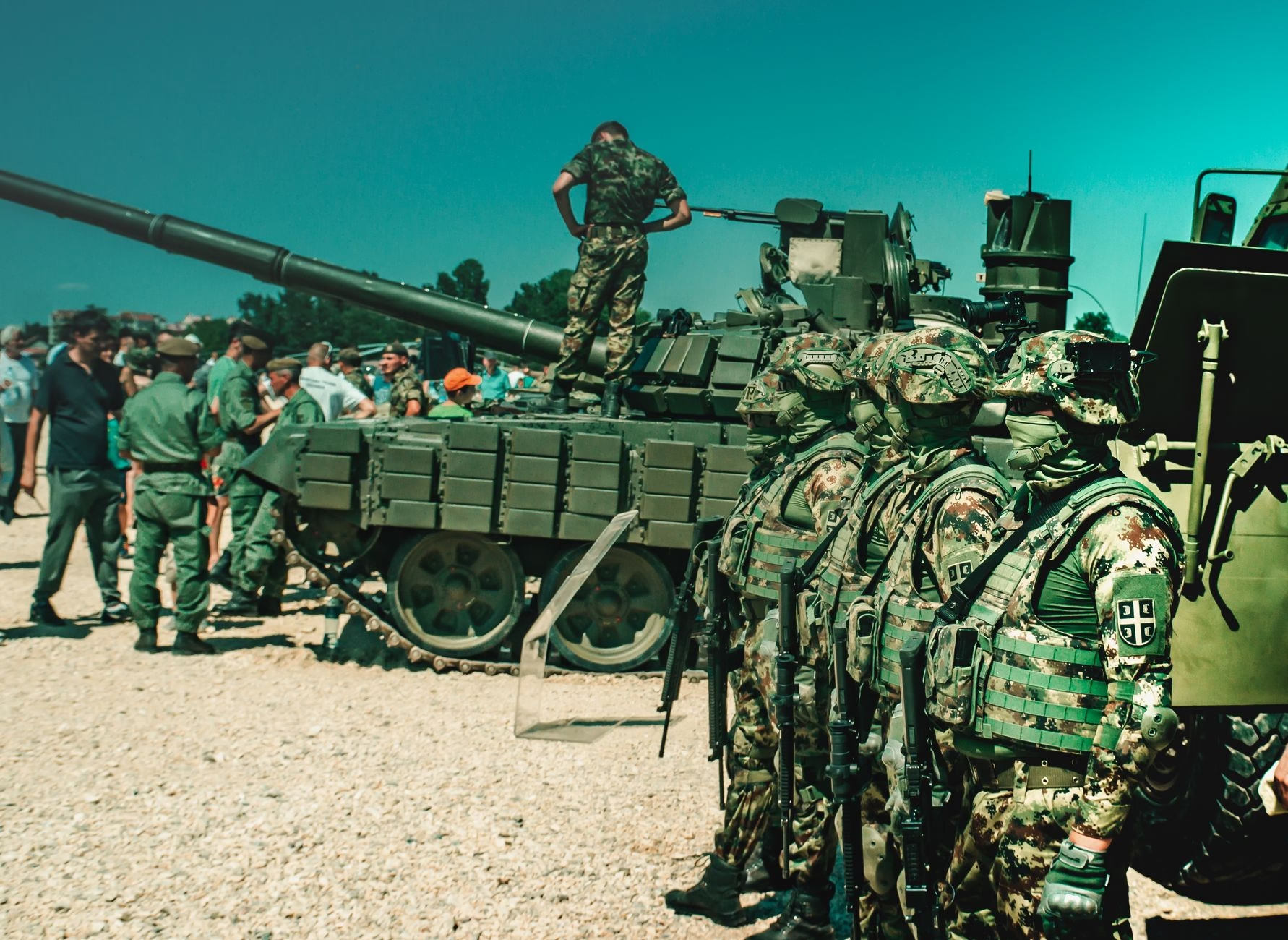
A notable personnel change has taken place within the upper echelons of the United States defense establishment. Lieutenant General Brett Sylvia, who served as the director of strategy, plans, and policy on the Joint Chiefs of Staff, has been removed from his high-ranking position. The decision was reportedly made by leadership, reflecting ongoing adjustments within the defense department regarding strategic planning and operational oversight.
The role previously held by Lieutenant General Sylvia is critical to shaping long-term defense policy, advising civilian leaders, and coordinating military strategy across various global theaters. Changes at this level often signal a shift in strategic priorities, particularly during periods of heightened international tension and complex geopolitical negotiations.
Shifting Approaches to Middle East Diplomacy
The removal of the top military planner coincides with evolving diplomatic postures toward the Middle East. While international actors frequently pursue diplomatic avenues to de-escalate regional conflicts, current signals from political leadership suggest skepticism regarding ongoing peace talks involving Iran. This divergence between diplomatic initiatives and strategic defense posture highlights the delicate balance the administration must maintain in its foreign policy execution.
Observers of defense policy note that strategic planning must align closely with the overarching foreign policy goals of the executive branch. When leadership signals a departure from traditional diplomatic frameworks, the military apparatus often undergoes restructuring to ensure that strategic guidance reflects the newly prioritized objectives.
Implications for Global Security and Defense Policy
The broader implications of this leadership change on the Joint Chiefs of Staff remain to be fully understood. Strategic planning units are responsible for anticipating future conflicts, preparing contingency options, and ensuring that the armed forces are postured to respond effectively to emerging threats. Any disruption or leadership transition in these key positions can influence how defense directives are interpreted and implemented.
As the situation continues to develop, defense analysts will closely monitor further appointments and policy pronouncements from the Pentagon. The ability of the armed forces to adapt swiftly to changing political directives is a cornerstone of national security administration, and upcoming months will likely reveal the longer-term trajectory of United States military strategy in the region.





















Leave a Reply