


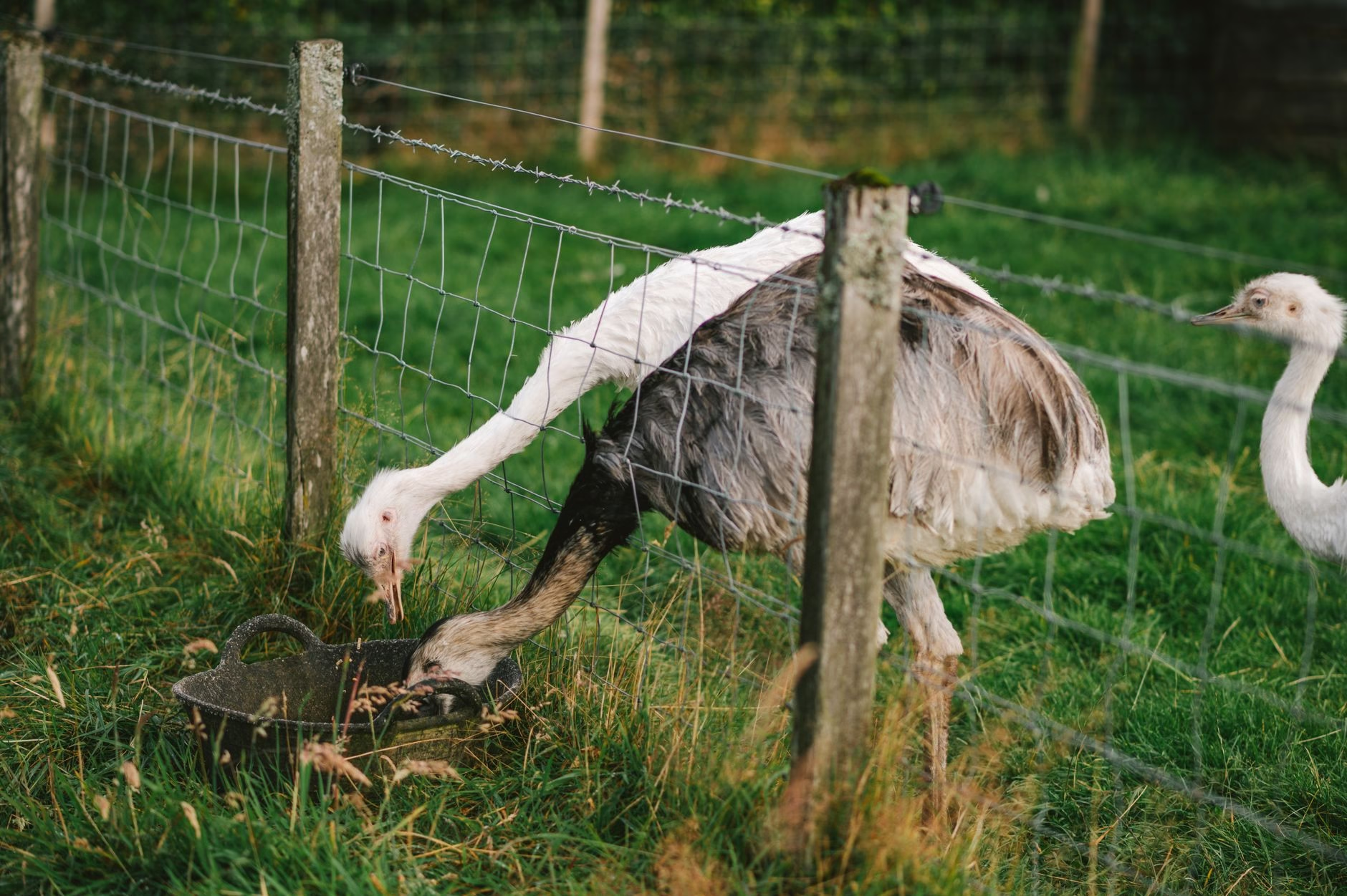
The Unexpected Diagnosis
Life can change in an instant when a routine health issue alters daily habits. For one Kentucky resident, a routine medical discovery meant saying goodbye to traditional beef and pork products. After experiencing unusual physical reactions, a medical evaluation revealed the sudden onset of a red meat allergy. This specific sensitivity is often linked to the bite of certain ticks, which transmit a sugar molecule that triggers immune system reactions against mammalian meat. For someone who deeply enjoyed classic comfort foods, this diagnosis felt restrictive and frustrating.
The Challenge of Missing Favorite Foods
Dietary restrictions can be difficult to manage, especially when favorite meals are suddenly off-limits. The craving for a standard hamburger did not simply disappear with the medical diagnosis. Traditional alternatives like poultry and fish did not always satisfy the specific desire for a savory, hearty red meat experience. Navigating menus at restaurants and grocery stores became a constant exercise in caution. Finding a safe, satisfying substitute that mirrored the texture and richness of beef became a primary personal mission.
Discovering Ostrich as an Alternative
Faced with these dietary limitations, research into alternative protein sources led to an unexpected solution. Ostrich meat emerged as a viable option for individuals with mammalian meat sensitivities. Because ostriches are ratites and birds rather than mammals, their meat lacks the specific sugar molecules that trigger tick-induced allergic reactions. Surprisingly, ostrich meat shares a striking visual and textural similarity to beef. It cooks similarly, offers a rich flavor profile, and provides a satisfying culinary experience for those who miss traditional burgers.
Transitioning Into Ostrich Farming
Finding a reliable and affordable source of this alternative meat proved challenging through conventional retail channels. Rather than simply searching for suppliers, the Kentucky resident decided to take matters into his own hands. Exploring the logistics of raising these large flightless birds revealed an opportunity for agricultural entrepreneurship. Setting up a specialized farm required careful planning, secure fencing, and specialized knowledge of avian care. What began as a personal quest for a safe burger transformed into a dedicated farming venture.
A Growing Agricultural Trend
This individual journey reflects a broader pattern observed across the agricultural sector in the United States. Ostrich producers report an increasing number of inquiries from consumers who are searching for safe protein sources due to tick-borne meat allergies. As awareness of these unusual allergies spreads, demand for alternative livestock continues to rise. Farmers across various regions are exploring niche markets to cater to this specialized consumer base, turning an unexpected public health challenge into a viable agricultural opportunity.






















Leave a Reply