


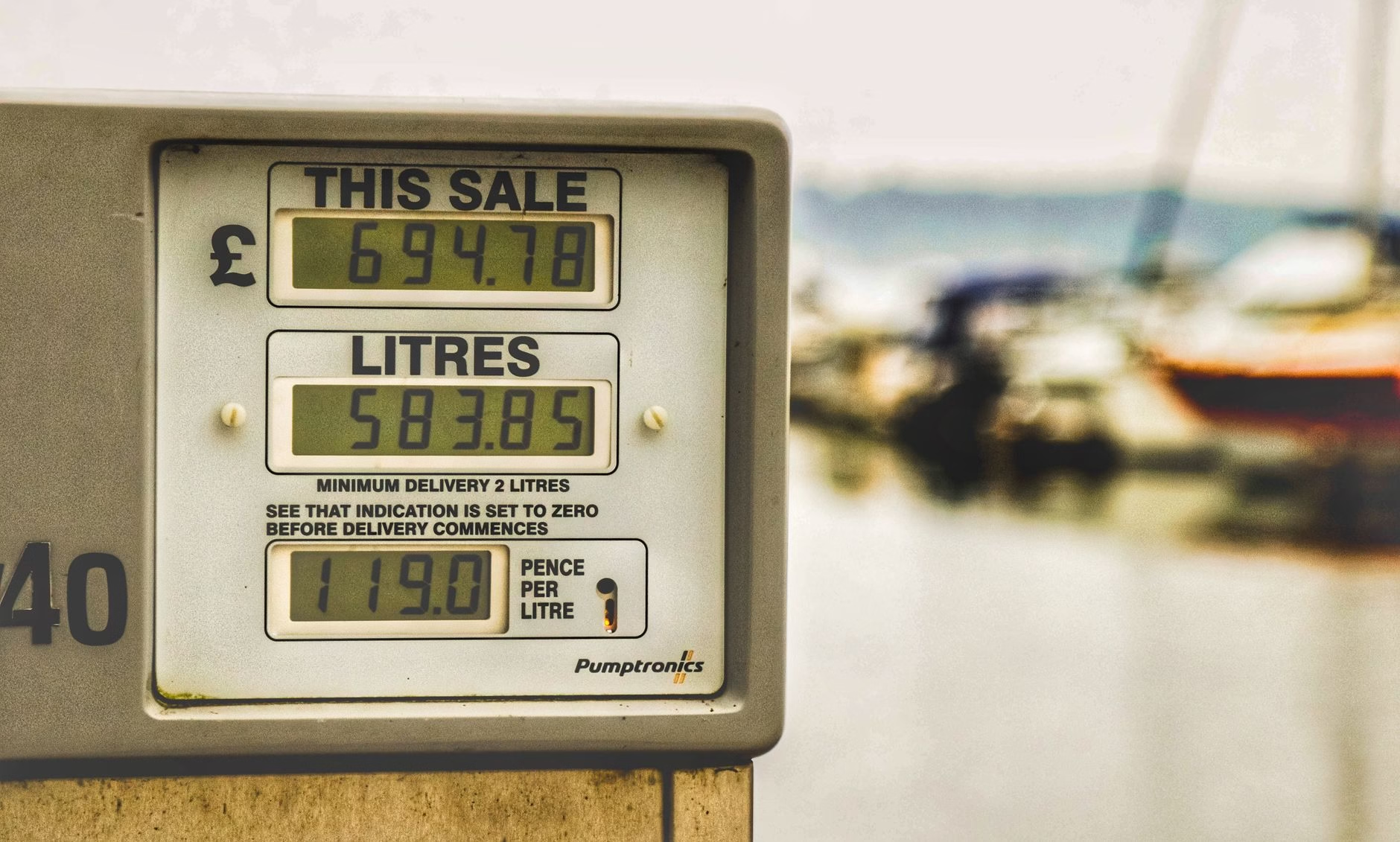
Geopolitical tensions in the Middle East have long remained a primary concern for international energy markets. Recent developments indicate that hostilities originating in Yemen are playing a significant role in influencing crude costs worldwide. As regional factions engage in prolonged conflict, the resulting instability directly threatens vital energy infrastructure, creating ripples that are felt by consumers and industries across the globe.
At the center of this dynamic is the strategic involvement of various armed groups and state actors. Observers note that regional proxies aligned with Tehran frequently utilize strategic geographic positions to exert pressure on global trade routes and energy supply lines. The ongoing confrontation involving Saudi-led coalitions and Houthi forces in Yemen has transformed from a localized civil conflict into a broader economic pressure point.
Energy Infrastructure Vulnerability
The vulnerability of critical petroleum assets has become increasingly apparent. Incidents targeting vital pipelines, such as the major East-West pipeline crossing Saudi territory, highlight the severe risks facing energy transit corridors. When these critical pathways are disrupted, the immediate reaction in commodity markets is swift and pronounced. Traders and analysts quickly reevaluate supply security, leading to upward pressure on futures and spot prices.
Furthermore, the Bab el-Mandeb strait, located adjacent to Yemen, serves as a crucial chokepoint for international tanker traffic. Millions of barrels of oil pass through this narrow waterway daily en route to refineries in Asia, Europe, and North America. Any escalation in regional hostilities immediately threatens the safe passage of these vessels, forcing market participants to price in a higher risk premium.
Market Reactions and Economic Impact
Global oil markets are notoriously sensitive to perceived threats regarding supply disruptions. Even minor incidents or credible threats against production and transportation facilities can trigger sharp price volatility. Industrial economies and developing nations alike rely heavily on stable energy costs to maintain economic momentum.
When geopolitical friction restricts the flow of petroleum, the economic consequences manifest quickly at the fuel pump and through increased manufacturing and logistics expenses. Central banks and financial institutions closely monitor these developments, as sustained high energy prices can fuel broader inflationary pressures across diverse economic sectors.
Long-Term Outlook for Energy Security
The intersection of regional warfare and commodity pricing underscores the urgent need for robust energy security strategies. Nations dependent on imported petroleum continuously seek ways to diversify supply sources and protect critical infrastructure from asymmetric threats. However, resolving the underlying political and military disputes remains a complex challenge.
As long as the conflict in Yemen persists alongside broader regional rivalries, energy markets will likely remain vulnerable to sudden shocks. Policymakers and industry leaders continue to assess these risks, balancing immediate supply needs with the imperative to secure vulnerable transit routes against future disruptions.























Leave a Reply