


Understanding the Houthi Financial Network
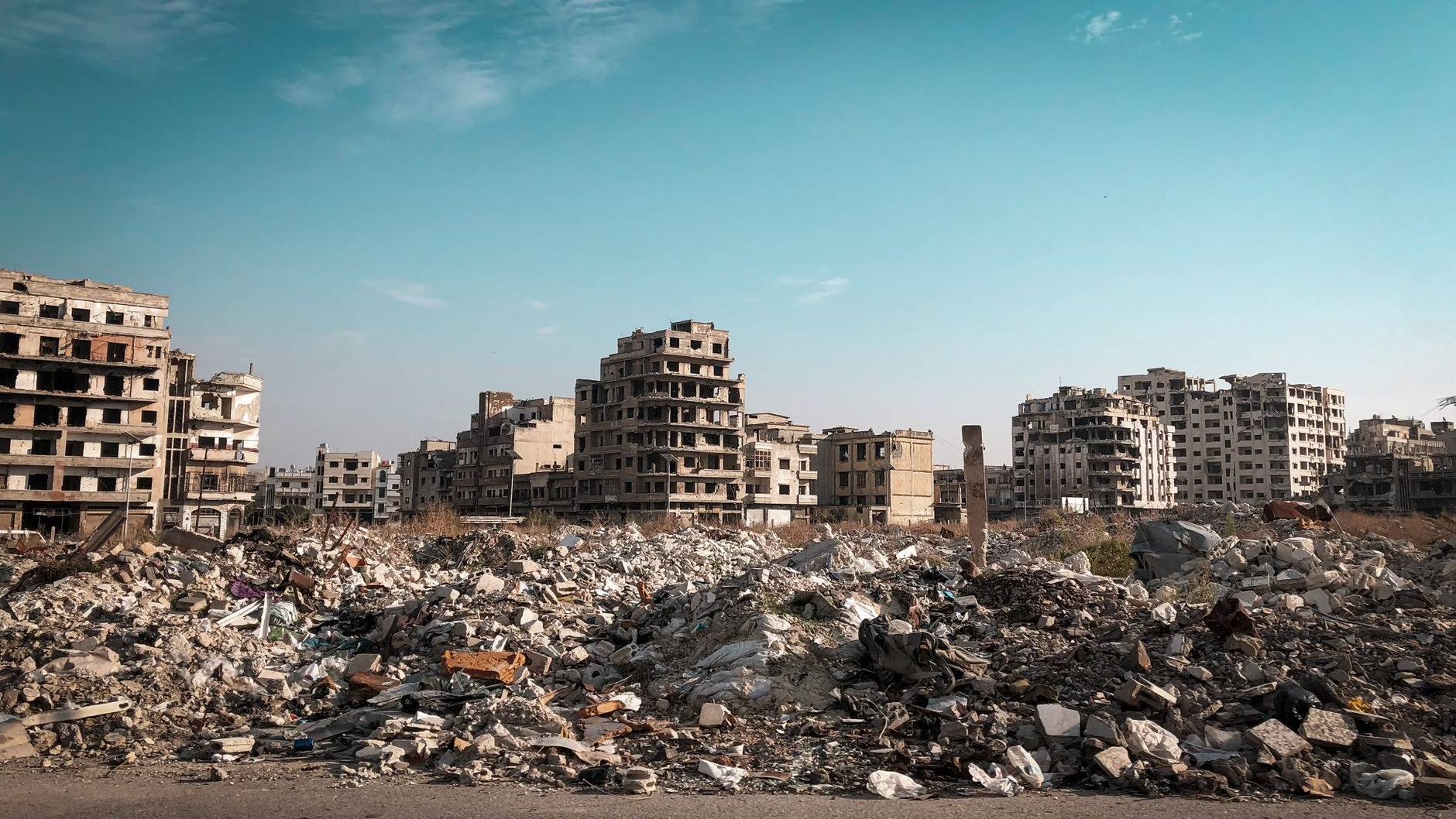
The conflict in Yemen has persisted for years, creating one of the most severe humanitarian crises globally. Beyond the battlefield, a complex financial ecosystem has emerged, driven by the Houthi movement. Observers and economic analysts have closely studied how this group manages to sustain its military campaigns despite widespread economic hardship. The Houthi war economy has evolved into a sophisticated apparatus that generates substantial revenue to fund governance, administration, and ongoing military operations.
Taxation and Revenue Generation
A primary pillar of this financial network is the systematic collection of taxes and levies. In the territories under their control, governing authorities have imposed numerous financial burdens on both businesses and individuals. Customs duties levied at ports of entry, road checkpoints, and commercial hubs provide a steady stream of income. Additionally, religious and mandatory taxes are frequently collected from merchants and citizens, ensuring that state machinery continues to receive continuous capital injections regardless of broader economic stagnation.
Control Over Trade and Fuel Markets
Fuel and essential commodities represent another critical component of the financial strategy. The regulation and distribution of petroleum products in Houthi-held regions are tightly monitored and managed. By controlling the supply chain of imported fuel, the administration has been able to generate significant profits through official and parallel markets. This monopoly over vital resources not only secures necessary funds for military mobilization but also ensures political compliance among the civilian population.
Real Estate and Financial Sector Dominance
Over the course of the conflict, the Houthi movement has increasingly intervened in the commercial and financial sectors. Confiscation of assets belonging to political opponents, businessmen, and civil society organizations has transferred substantial wealth into new hands. Furthermore, the real estate market in major urban centers like Sanaa has seen significant restructuring. Property transactions and ownership transfers are closely regulated, allowing the governing authorities to consolidate economic power and reward loyal supporters.
Impact on the Local Population
While the financial network successfully sustains the ruling authorities, the broader population bears the heaviest burden. Public sector salaries have remained largely unpaid or sporadic for years, pushing millions into poverty and food insecurity. The combination of heavy taxation, inflation, and restricted economic mobility has devastated local livelihoods. Humanitarian aid is frequently subjected to bureaucratic hurdles and taxation, further complicating relief efforts for vulnerable communities.
Future Outlook and International Concerns
International bodies and economic experts continue to monitor the growing financial self-sufficiency of the Houthi administration. As the governance structures become more entrenched, reversing these economic measures presents a major challenge for any future peace process. Without a comprehensive settlement that addresses both political grievances and economic sustainability, the financial structures sustaining the conflict are likely to remain deeply entrenched in Yemen for the foreseeable future.





















Leave a Reply