


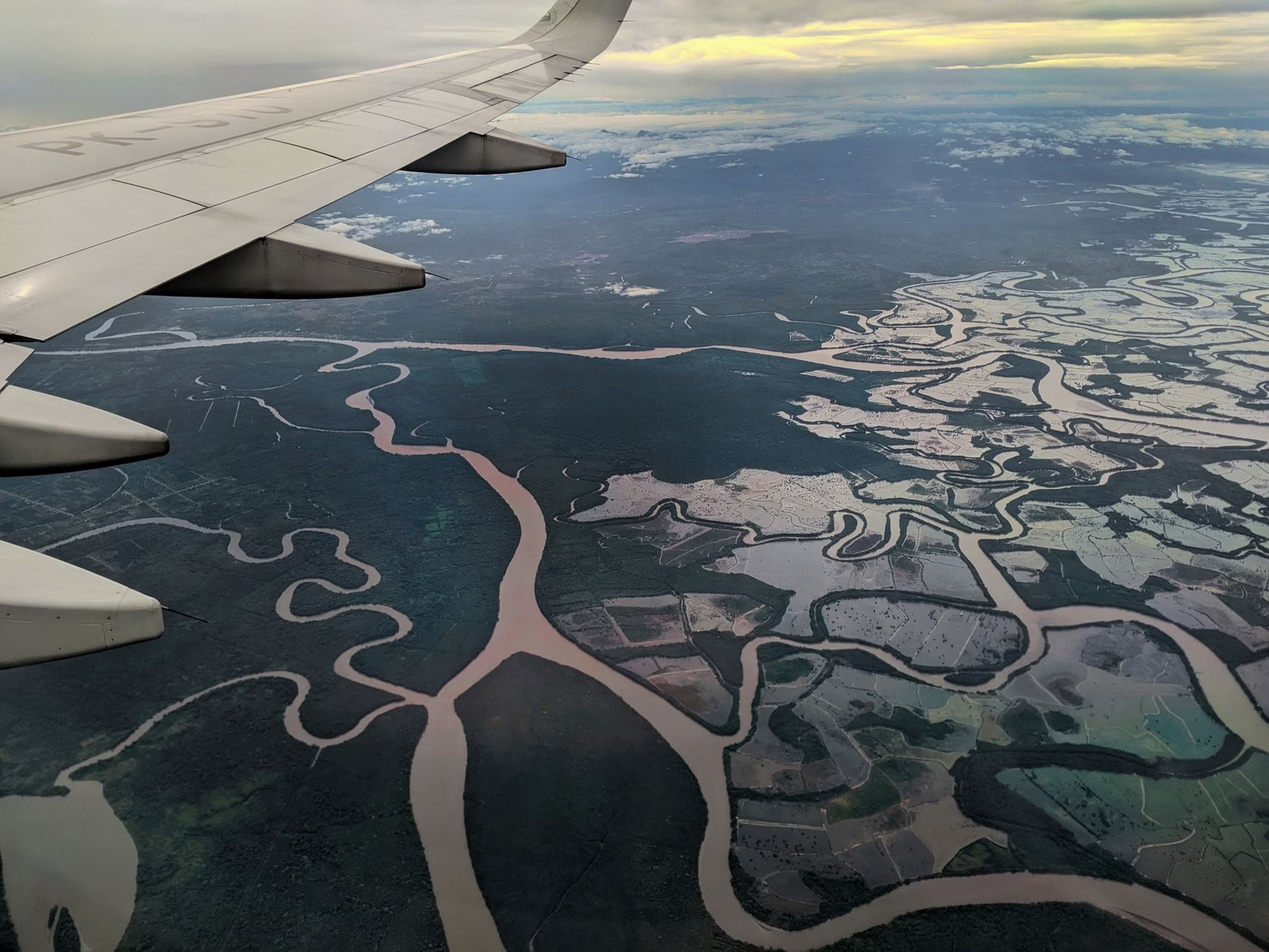
Indonesia faces a recurring environmental challenge with wildfires frequently engulfing vast areas of its Borneo territories. These fires, often exacerbated by dry weather conditions, pose significant threats to public health, the environment, and the regional economy. In response to this persistent crisis, the Indonesian government consistently deploys cloud seeding technology as a primary intervention strategy, aiming to induce rainfall and mitigate the spread of these destructive blazes.
The annual fire season in Borneo, particularly in the Indonesian provinces of Kalimantan, is a complex issue driven by a combination of natural phenomena and human activities. Peatlands, which cover extensive areas of the region, are highly susceptible to ignition once dry. These carbon-rich soils can smolder for weeks or even months underground, releasing enormous amounts of smoke and greenhouse gases. The El Niño weather pattern, characterized by prolonged dry spells, often intensifies the fire risk, creating conditions conducive to widespread conflagrations.
Human activities also play a substantial role in the genesis of these fires. Land clearing for agriculture, particularly palm oil and pulpwood plantations, frequently involves slash-and-burn practices. While illegal, this method remains a cheap and quick way to prepare land. When these fires get out of control, especially during dry periods, they can quickly spread into surrounding forests and peatlands, leading to large-scale devastation.
The environmental consequences of these wildfires are profound. Beyond the immediate destruction of forests and biodiversity, the fires release vast quantities of carbon dioxide into the atmosphere, contributing significantly to global climate change. The smoke, often referred to as haze, blankets large parts of Southeast Asia, causing severe air pollution. This transboundary haze leads to widespread respiratory illnesses, disrupts air travel, and negatively impacts tourism and other economic sectors across the region.
To combat the fires, Indonesia has increasingly relied on cloud seeding, a weather modification technique designed to enhance precipitation. This process involves dispersing substances into the air, typically silver iodide or dry ice, to alter the microphysical processes within clouds. These agents act as ice nuclei or condensation nuclei, encouraging the formation of ice crystals or water droplets that can then grow large enough to fall as rain.
Indonesia’s cloud seeding operations are typically conducted using specialized aircraft that fly into suitable cloud formations. The success of these missions depends heavily on the presence of rain-bearing clouds. The objective is to trigger rainfall over fire-prone areas, helping to extinguish existing fires and moisten the ground to prevent new ignitions. This proactive measure is part of a broader disaster management strategy aimed at preventing the fires from reaching catastrophic levels.
While cloud seeding offers a promising avenue for intervention, its effectiveness is subject to various environmental and meteorological factors. The technique requires specific cloud conditions, including adequate moisture and temperature profiles, to be successful. If suitable clouds are not present, cloud seeding cannot create rain from a clear sky. Furthermore, the precise impact of cloud seeding on precipitation levels and its long-term environmental effects remain subjects of ongoing scientific research and debate.
Despite these limitations, cloud seeding remains a critical tool in Indonesia’s arsenal against wildfires, particularly when traditional firefighting methods are overwhelmed by the scale of the blazes. The government invests considerable resources in these operations, recognizing the urgent need to protect its citizens and natural resources from the devastating impacts of haze and fire.
Addressing the root causes of the Borneo wildfires requires a multifaceted and long-term approach. Beyond emergency interventions like cloud seeding, sustainable land management practices are essential. This includes stricter enforcement of anti-burning laws, promoting fire-free land clearing techniques, and restoring degraded peatlands. Community engagement and education are also vital to foster a collective responsibility in preventing fires.
The recurring nature of these fires, exacerbated by global climate change and the increasing frequency of extreme weather events like El Niño, underscores the urgency of comprehensive strategies. International cooperation is also crucial, as the transboundary haze necessitates regional efforts in monitoring, prevention, and mitigation. Indonesia’s ongoing battle against the Borneo wildfires is a testament to the complex environmental challenges faced by nations globally, demanding both immediate action and sustained commitment to ecological balance.
In conclusion, Indonesia’s intensified cloud seeding efforts represent a critical component of its strategy to combat the severe wildfires in Borneo. While an important short-term solution, the persistent threat of these fires highlights the imperative for integrated approaches that combine technological interventions with robust environmental policies, community involvement, and international collaboration to safeguard the region’s ecological future.























Leave a Reply