


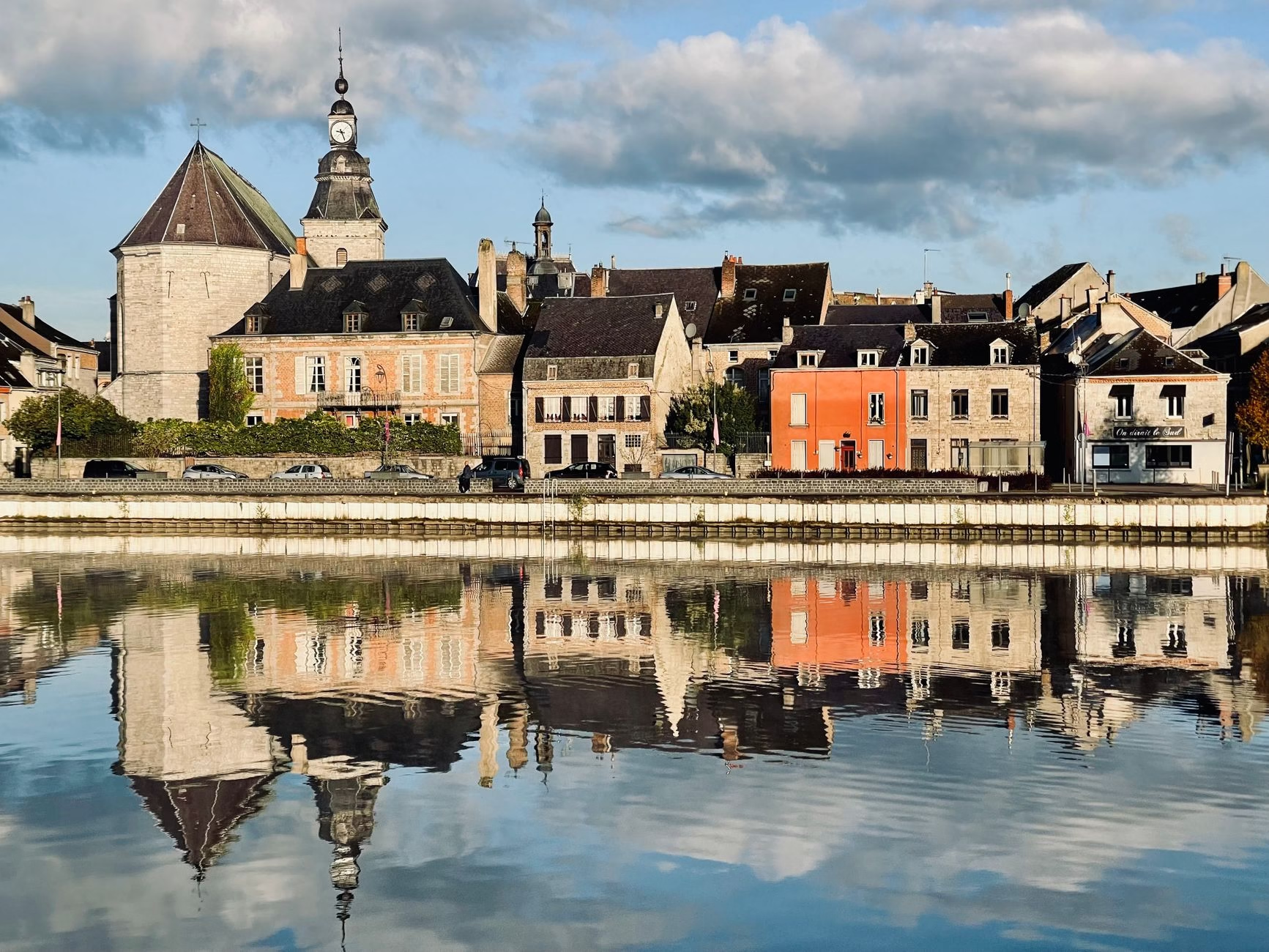
Moving to France from the United States is a dream shared by many who wish to experience a different pace of life, rich culture, and historic architecture. While the journey involves navigating complex bureaucracies and adjusting to a new lifestyle, the reward is an enriching European adventure. Whether you are seeking a quieter retirement or a vibrant professional chapter abroad, careful preparation is the key to a successful transition.
Understanding Visa Requirements
The most critical step in relocating to France is securing the appropriate visa. American citizens can enter France as tourists for up to ninety days without a visa within any 180-day period. However, staying longer requires applying for a long-stay visa, known as a VLS-TS. This document serves as both a visa and a residence permit for the first year.
There are several categories of long-stay visas depending on your personal circumstances. The visitor visa is popular for retirees or those with independent financial means who do not intend to work in France. Other options include student visas, talent passport visas for skilled professionals, and employee visas tied to a specific job offer. Each pathway requires extensive documentation, including proof of health insurance, sufficient financial resources, and accommodation arrangements.
Navigating the French Bureaucracy
France is famously bureaucratic, and patience is perhaps the most important asset an expat can possess. Dealing with administrative procedures requires organization, attention to detail, and a willingness to follow specific protocols. From validating your visa upon arrival to setting up utilities and opening a bank account, expect every process to take time.
Establishing residency also involves registering with the French social security system, known as the Caisse Primaire d Assurance Maladie, or CPAM. While the French healthcare system is renowned for its high quality and affordability, navigating the initial enrollment paperwork can be daunting. Engaging with local expat communities and utilizing translation services can significantly ease this administrative burden.
Finding Accommodation and Settling In
Securing housing in France can be challenging, particularly in major cities like Paris, Lyon, or Nice. Landlords typically require a guarantor, proof of steady income equal to three times the monthly rent, and a comprehensive dossier of personal documents. Many newcomers choose to rent temporarily through vacation rental platforms for the first few months while they search for a permanent apartment.
Choosing where to live depends largely on your lifestyle preferences and budget. While urban centers offer bustling cultural scenes and public transit, rural regions and smaller towns provide a slower pace and more affordable real estate. Renting before buying is strongly recommended to ensure the neighborhood aligns with your expectations.
Language and Cultural Integration
Learning the French language is essential for long-term success and integration. While many people in major urban areas speak English, relying solely on English will limit your ability to navigate daily life, make local friends, and handle administrative tasks. Enrolling in language classes and practicing consistently will accelerate your integration.
Cultural nuances also play a significant role in daily interactions. Understanding social etiquette, respecting local customs, and embracing the French appreciation for leisure and gastronomy will help you build meaningful relationships. Polite greetings, such as saying bonjour when entering a shop, are fundamental to social harmony.
Financial Planning and Taxes
Moving abroad has profound financial implications, particularly regarding taxation. US citizens are obligated to file US taxes annually regardless of where they reside, thanks to citizenship-based taxation. Additionally, once you become a resident of France, you will likely be subject to French income tax on your worldwide earnings.
Consulting with a cross-border tax specialist before making the move is crucial to understanding your liabilities and avoiding double taxation. Furthermore, managing currency exchange and maintaining US bank accounts require careful strategic planning to minimize unnecessary fees.
Embracing the Expat Lifestyle
Relocating to France represents a profound life change that goes far beyond logistical planning. It requires an open mind, resilience in the face of unexpected challenges, and a genuine appreciation for a different way of living. By approaching the transition with preparation and patience, you can successfully build a fulfilling life in your new European home.






















Leave a Reply