


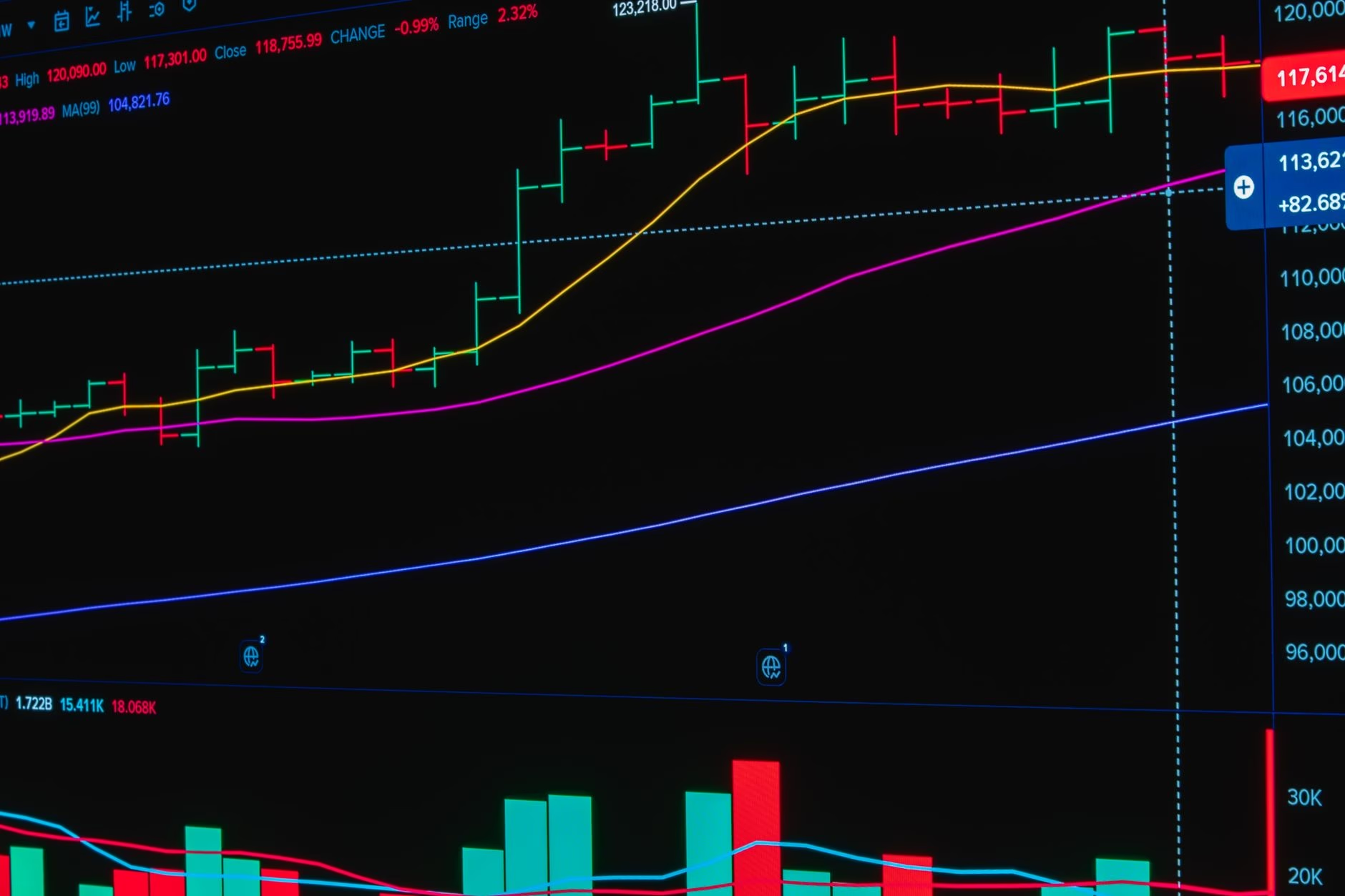
The Mechanics of Modern Political Forecasting
Political forecasting has evolved significantly over recent years, shifting from traditional polling models to decentralized prediction markets. These platforms allow participants to buy and sell contracts based on the outcomes of upcoming political events, including midterm elections. As these markets gain mainstream visibility, they increasingly influence public perception, media narratives, and donor behavior.
However, the unique structure of these financial platforms introduces vulnerability to strategic manipulation. Stakeholders who want to boost a struggling candidate can participate directly in these markets. By injecting capital into specific outcomes, actors can artificially inflate a candidate’s perceived odds of winning, creating a halo effect that might translate into actual momentum, media coverage, and financial contributions.
The Cost of Influencing Market Odds
One of the most striking aspects of modern election forecasting platforms is the relatively low capital required to move market odds. Unlike traditional advertising campaigns that demand millions of dollars to shift public opinion, altering the price of a contract on a prediction market can often be achieved with a fraction of that budget, especially during periods of low trading volume.
This cost-effectiveness makes these platforms attractive targets for entities seeking outsized influence. When trading liquidity is minimal, a modest, well-timed purchase can disproportionately skew the probability curves. This phenomenon raises questions about the reliability of prediction markets as objective barometers of political reality, since financial depth does not always match the depth of public sentiment.
Implications for Voters and Media
For voters, journalists, and analysts who rely on prediction markets as real-time indicators of electoral success, understanding these dynamics is critical. When market odds can be altered cheaply, observers must question whether a rising probability reflects genuine voter support or simply aggressive financial positioning by interested parties.
As regulatory bodies and platform operators look for ways to enhance market integrity, the tension between open financial participation and election security remains a central challenge. Until stronger safeguards are established, participants in these markets must remain vigilant about the potential for artificial distortion in political forecasting.





















Leave a Reply