



Official Determination Issued
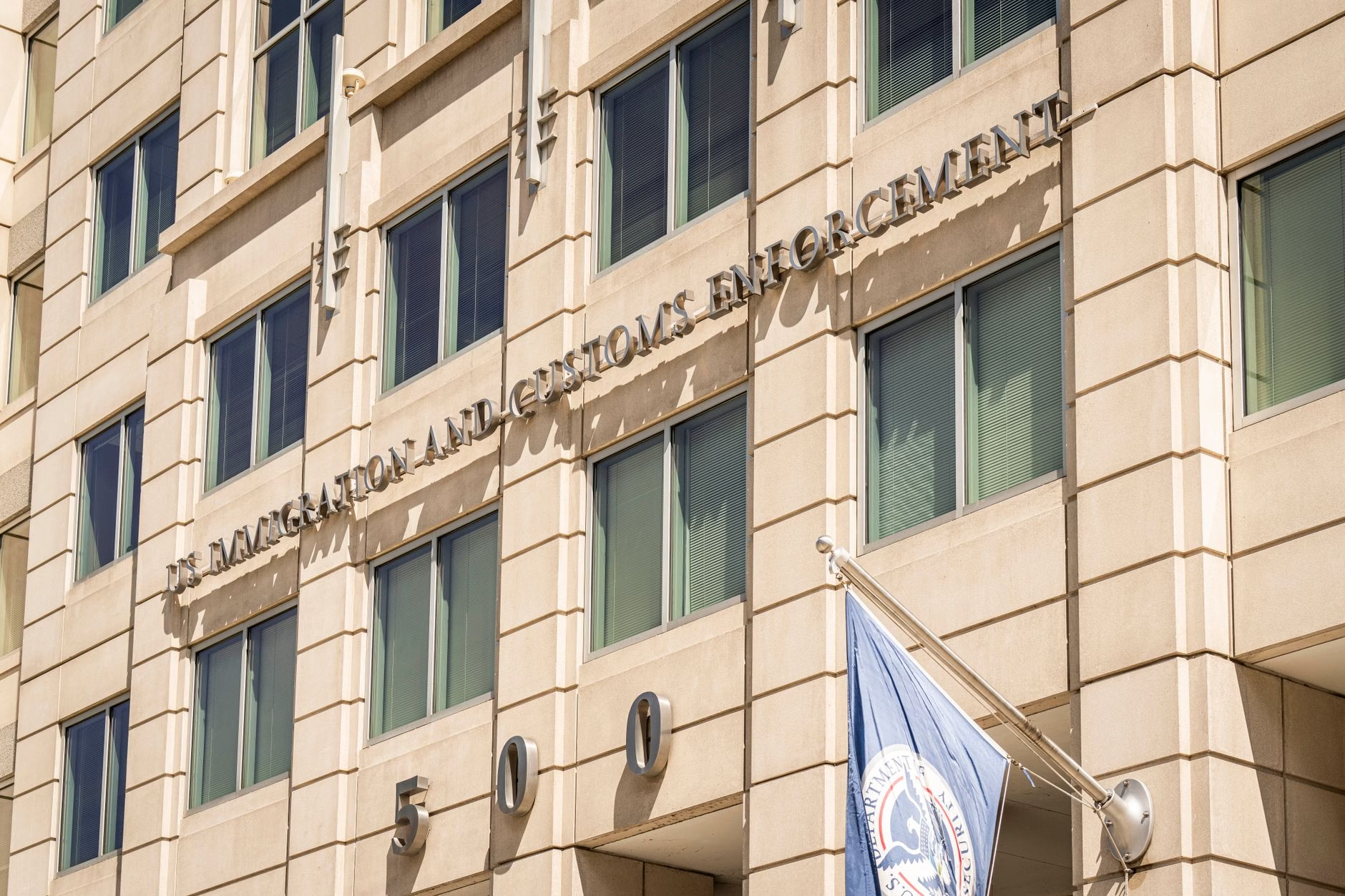
The Allegheny County Medical Examiner’s Office in Pittsburgh has officially ruled the death of a Haitian asylum seeker as a homicide, citing hypothermia as the primary cause of death. The woman, who had been released from U.S. Immigration and Customs Enforcement (ICE) custody just days prior to her passing, was found in a vulnerable state following her discharge from the federal system.
Contextualizing Immigration Procedures
The incident has drawn renewed scrutiny toward the logistical protocols governing the release of detainees from federal facilities. When individuals are released from immigration detention, they are often processed into unfamiliar environments with limited resources, support networks, or adequate preparation for local weather conditions.
This case highlights the transition period between federal custody and community integration. Advocates for immigrant rights have long argued that the lack of robust discharge planning can place individuals at significant risk, particularly those who may have language barriers or lack immediate financial means to secure shelter.
Investigative Details and Public Response
The medical examiner’s classification of the death as a homicide indicates that the circumstances surrounding the event involve the actions or omissions of others that contributed to the fatal outcome. While the investigation remains ongoing, the ruling has prompted calls for a comprehensive review of how federal agencies manage the discharge of individuals seeking asylum, especially during extreme weather events.
Data from the National Weather Service confirms that temperatures in the Pittsburgh region were dangerously low during the period in question. The intersection of environmental conditions and the individual’s lack of housing created a lethal situation that local authorities are now treating as a criminal matter.
Industry and Humanitarian Implications
For the federal government, this ruling may necessitate a reevaluation of “release-to-the-street” policies. Legal experts suggest that federal agencies could face increased pressure to ensure that detainees have access to temporary housing, transportation, or social services before being released from custody.
Humanitarian organizations are emphasizing the need for a more standardized, humane discharge process. Without institutional changes, critics warn that the disconnect between federal enforcement actions and community-based support services will continue to leave vulnerable populations exposed to preventable tragedies.
Moving forward, stakeholders will be monitoring whether the Department of Homeland Security updates its guidance regarding winter releases. Observers are also waiting to see if local law enforcement will pursue charges related to the incident, which could set a significant legal precedent for federal liability in the treatment of asylum seekers post-custody.





















Leave a Reply