


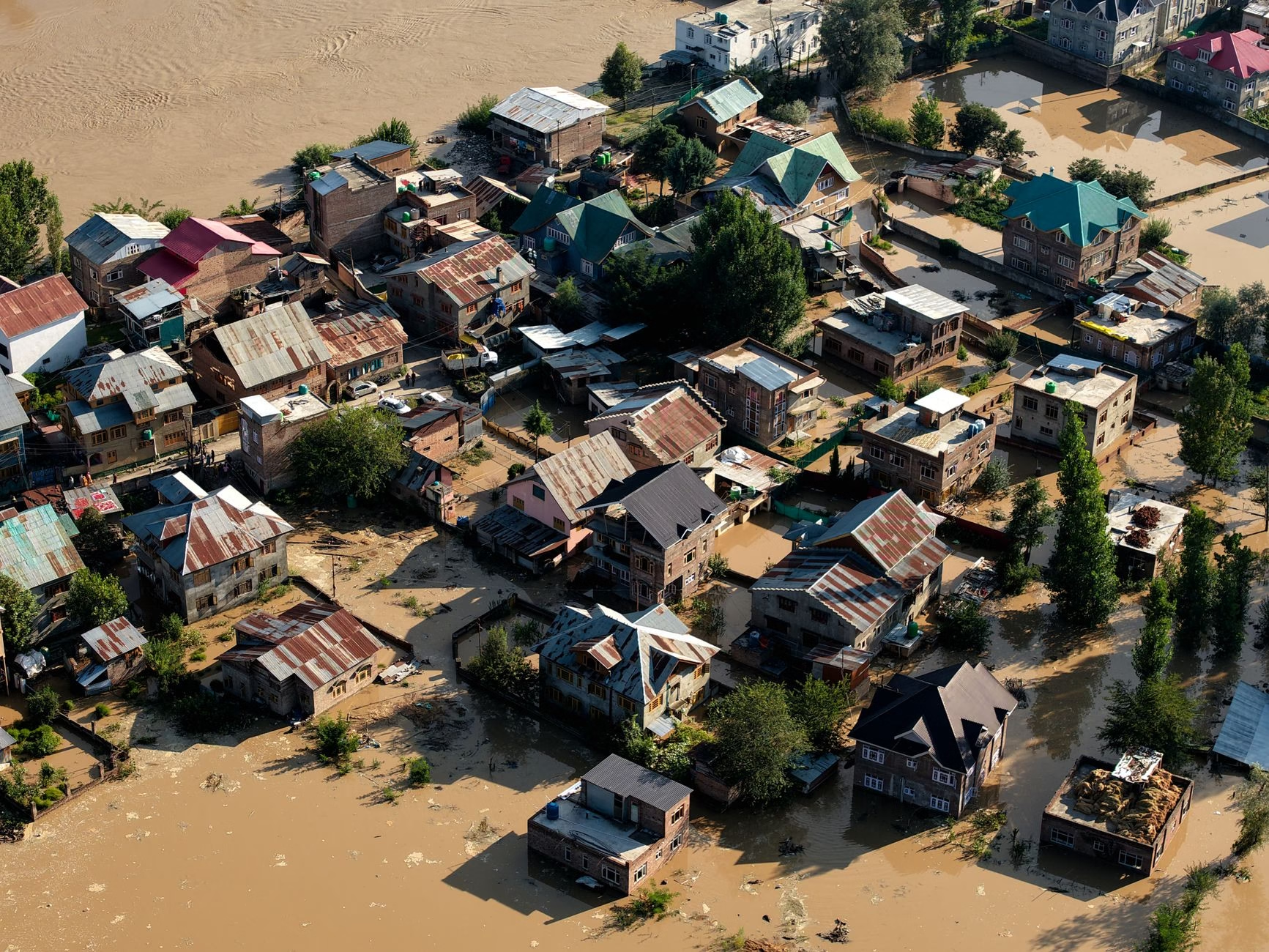
A severe environmental catastrophe has unfolded in the high-altitude regions of the Himalayas, impacting both Nepal and Tibet. A significant glacial collapse has precipitated widespread and destructive floods, resulting in an alarming number of missing individuals. Current estimates indicate that approximately 1,300 people are unaccounted for following this devastating event, prompting urgent search and rescue operations in the affected areas.
Understanding the Glacial Collapse
The catastrophic floods are directly attributed to the sudden collapse of a glacial formation. While the precise triggers for such events can be complex, they often involve a combination of factors, including seismic activity, extreme weather conditions, or the gradual weakening of ice structures due to rising temperatures. This particular incident led to an immense volume of water and debris being unleashed downstream, overwhelming river systems and low-lying communities with little to no warning. The sheer force of the water flow caused extensive damage to infrastructure and swept away homes, leaving a trail of destruction across the rugged landscape.
Impact on Nepal
In Nepal, the impact of the glacial flood has been particularly severe in its northern districts, which border the Tibetan plateau. Villages situated along major river valleys have borne the brunt of the disaster. Reports from the ground describe widespread devastation, with essential infrastructure such as bridges, roads, and communication networks severely compromised or completely destroyed. This has significantly hampered initial response efforts, making it challenging for rescue teams to reach isolated communities. The majority of the missing persons are believed to be from these remote Nepali settlements, where livelihoods are often dependent on agriculture and local resources, making them especially vulnerable to such natural calamities.
Devastation in Tibet
Across the border, the Tibetan autonomous region has also experienced profound consequences from the same glacial event. Several communities in the southern parts of Tibet have been inundated by the floodwaters. Similar to Nepal, the rugged terrain and remote nature of these areas present formidable obstacles for emergency responders. The scale of the damage includes agricultural land submerged, homes destroyed, and vital transportation routes rendered impassable. Authorities in Tibet are coordinating extensive search and rescue missions, deploying resources to locate the missing and provide assistance to those displaced by the floods. The shared geographical vulnerability of these regions highlights the interconnectedness of the Himalayan ecosystem.
Challenges for Search and Rescue Operations
The ongoing search and rescue efforts face immense challenges. The mountainous terrain, characterized by steep valleys, treacherous river currents, and unstable ground conditions, makes access extremely difficult. Furthermore, the sheer volume of water and debris, including mud, rocks, and trees, has altered the landscape, complicating the search for survivors or victims. Weather conditions in the high Himalayas can also be unpredictable, with potential for further rainfall or landslides exacerbating the situation. Rescue teams, often comprising military personnel, local volunteers, and international aid workers, are working tirelessly against these odds, utilizing specialized equipment and aerial support where possible to navigate the difficult environment.
Humanitarian Response and Support
In the wake of the disaster, a coordinated humanitarian response is crucial. Efforts are underway to provide immediate relief to the affected populations, including emergency shelter, food, clean water, and medical supplies. Organizations are mobilizing resources to establish temporary camps for displaced families and to address the urgent needs of those who have lost their homes and livelihoods. The long-term recovery process will require substantial international support and sustained commitment to rebuild infrastructure, restore communities, and help residents recover from the trauma of this devastating event. The focus remains on locating the missing and ensuring the safety and well-being of all those impacted.
Environmental Context and Future Risks
This catastrophic event underscores the increasing vulnerability of the Himalayan region to the impacts of climate change. Glacial melt is accelerating globally, leading to the formation and expansion of glacial lakes. These lakes, often dammed by unstable moraines, pose a significant risk of Glacial Lake Outburst Floods (GLOFs), which can unleash massive volumes of water downstream with little warning. While the exact cause of this specific glacial collapse is under investigation, it serves as a stark reminder of the heightened environmental risks faced by communities living in these fragile ecosystems. Proactive monitoring, early warning systems, and robust disaster preparedness strategies are becoming increasingly vital to mitigate the potential for future tragedies in this geologically active and climatically sensitive region.
Conclusion
The recent glacial collapse and subsequent floods in Nepal and Tibet represent a profound humanitarian and environmental crisis. With approximately 1,300 individuals still missing, the immediate priority remains the intensive search and rescue operations. The long-term implications for the affected communities are substantial, necessitating a comprehensive and sustained recovery effort. This disaster also serves as a critical call to action, emphasizing the urgent need for enhanced regional and international cooperation to address the escalating risks posed by climate change and to strengthen resilience in vulnerable mountain communities across the Himalayas.





















Leave a Reply