


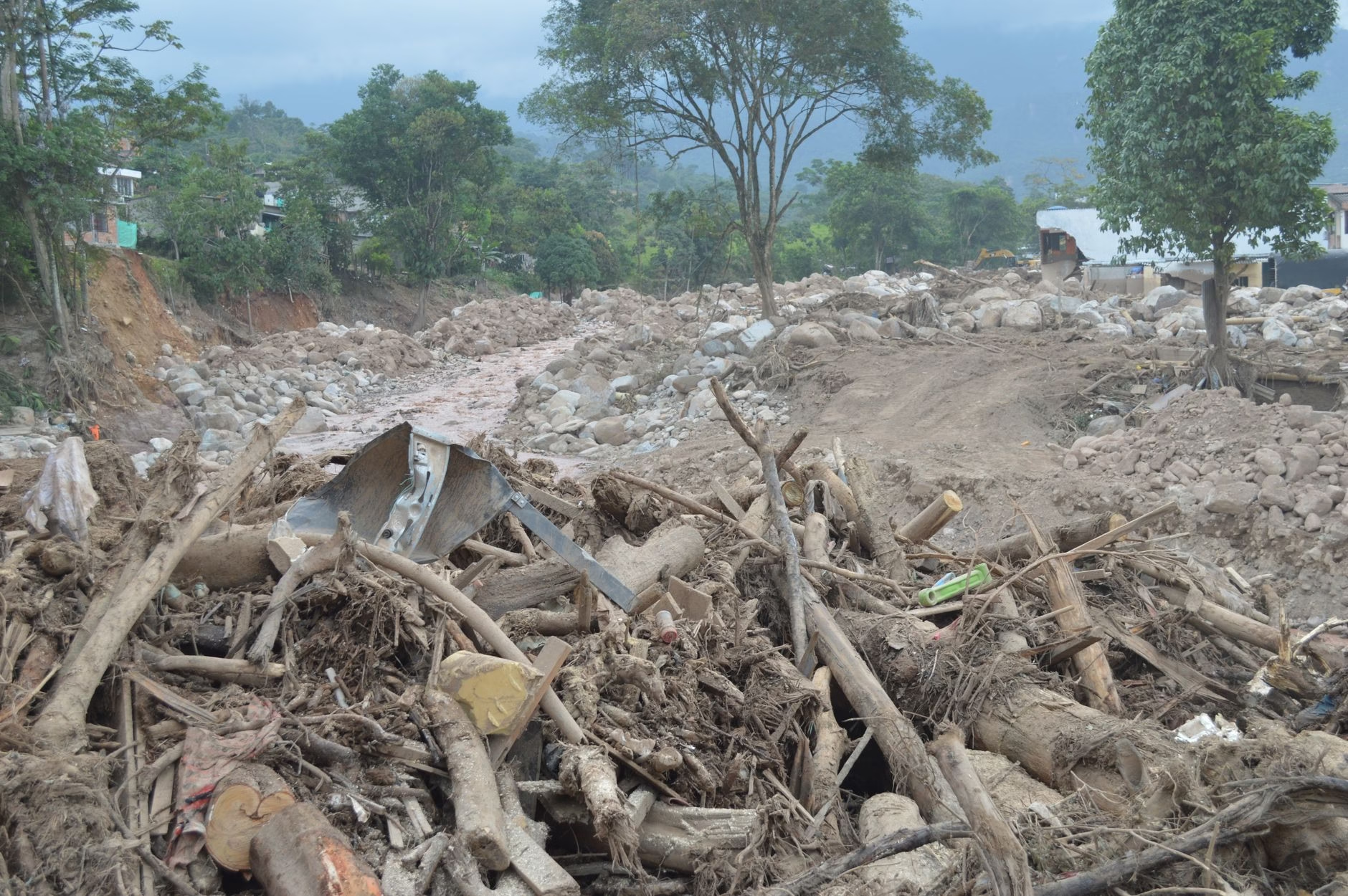
A catastrophic incident unfolded in Guinea, where a significant landslide at a municipal landfill resulted in a tragic loss of life and extensive property damage. The disaster, which was precipitated by intense rainfall, claimed the lives of at least 30 individuals and obliterated several residences situated in the vicinity of the waste disposal site. This devastating event occurred just days after local authorities had publicly declared their intention to close the landfill, citing the inherent dangers it presented, particularly exacerbated during the prevailing rainy season.
Understanding the Peril of Landfill Instability
Landfills, by their very nature, are complex and often unstable structures. They comprise vast quantities of diverse waste materials, ranging from organic matter to construction debris, all compacted together. Over time, these materials decompose and settle, creating an uneven and often precarious foundation. The stability of such sites is a critical concern, especially in regions prone to heavy precipitation. The accumulation of waste, often without sufficient engineering safeguards, can lead to internal pressures and structural weaknesses that pose a significant risk to surrounding communities.
The inherent instability of poorly managed landfills is a global challenge. Without proper design, construction, and ongoing maintenance, these sites can become ticking time bombs. Factors such as the steepness of slopes, the type of waste deposited, and the presence of internal gas and liquid pockets all contribute to the overall risk profile. When these conditions are met with external forces, such as extreme weather, the potential for disaster escalates dramatically.
The Destructive Force of Heavy Rainfall
Torrential rains play a pivotal role in destabilizing landfills, acting as a direct catalyst for landslides. When large volumes of water infiltrate the waste mass, several critical changes occur. The water saturates the material, increasing its weight significantly. This added burden places immense stress on the underlying ground and the structural integrity of the landfill itself. Furthermore, water acts as a lubricant, reducing the friction between layers of waste and soil, thereby diminishing the shear strength that holds the mass together.
As water permeates the landfill, it can also build up hydrostatic pressure within the waste body. This pressure can push against the retaining structures or the natural slopes, making them more susceptible to failure. In regions experiencing prolonged or intense rainy seasons, such as Guinea, the ground becomes saturated, and the risk of landslides, both natural and man-made, increases exponentially. The tragic events in Guinea serve as a stark reminder of the devastating consequences when vulnerable waste sites encounter severe weather conditions.
Humanitarian Impact and Community Vulnerability
The immediate aftermath of a landfill landslide is profoundly humanitarian. The loss of at least 30 lives in Guinea represents an immeasurable tragedy, leaving families shattered and communities in mourning. Beyond the fatalities, the destruction of multiple homes signifies widespread displacement and the loss of livelihoods for many. Survivors often face the daunting task of rebuilding their lives from scratch, contending with psychological trauma, economic hardship, and the urgent need for shelter, food, and medical attention.
Communities living in close proximity to landfills are frequently among the most vulnerable populations. They often reside in informal settlements or areas where land is less expensive, placing them directly in harm’s way. These residents are not only exposed to the immediate physical dangers of a landslide but also to long-term health risks associated with living near decomposing waste, including exposure to pollutants, pathogens, and toxic gases. The disaster in Guinea underscores the critical need for robust urban planning and social protection measures to safeguard these at-risk populations.
Challenges in Urban Waste Management
The incident in Guinea highlights the pervasive challenges many developing nations face in managing urban waste effectively. Rapid urbanization, coupled with limited resources and inadequate infrastructure, often leads to the establishment of landfills that do not meet international safety standards. These sites may lack proper liners, leachate collection systems, gas extraction mechanisms, and stable engineering designs, making them inherently dangerous.
Sustainable waste management is a complex endeavor that requires significant investment in infrastructure, technology, and human capital. It involves not only safe disposal but also waste reduction, recycling, and composting initiatives. Without comprehensive strategies, cities risk creating environmental hazards that disproportionately affect their most vulnerable citizens. The Guinea disaster serves as a poignant illustration of the urgent need for improved waste management practices and policies across the globe.
The Significance of Official Warnings
The fact that officials had announced the landfill’s impending closure due to the dangers it posed, particularly during the rainy season, adds a layer of complexity to this tragedy. This prior warning indicates an awareness of the risks by the authorities. While the warning itself did not prevent the disaster, it underscores the importance of proactive risk assessment and communication.
Such warnings are crucial for public safety, allowing residents to take precautionary measures or evacuate if necessary. However, the effectiveness of these warnings depends on various factors, including the clarity of communication, the accessibility of information, and the availability of safe alternatives for affected populations. The incident in Guinea prompts a critical examination of how such warnings are issued, received, and acted upon in vulnerable communities.
Preventative Measures and Future Outlook
Preventing future landfill landslides requires a multi-faceted approach. Firstly, stringent site selection criteria are essential, avoiding areas prone to seismic activity, flooding, or unstable geology. Secondly, advanced engineering solutions, including robust retaining walls, effective drainage systems, and proper compaction techniques, are vital during landfill construction and operation. Regular monitoring of landfill stability, including ground movement and water levels, can provide early warning signs of potential failure.
Beyond engineering, a shift towards more sustainable waste management practices is imperative. Reducing the volume of waste sent to landfills through recycling, composting, and waste-to-energy initiatives can significantly decrease the burden on these sites. Furthermore, investing in public education and community engagement can foster greater environmental awareness and participation in waste reduction efforts. The tragic events in Guinea serve as a powerful impetus for governments and international organizations to prioritize safe and sustainable waste management solutions, ensuring the safety and well-being of all communities.
Conclusion
The devastating landfill landslide in Guinea, which claimed at least 30 lives and destroyed homes, stands as a somber reminder of the critical intersection between environmental hazards, urban development, and public safety. Triggered by heavy rains, the incident highlights the inherent risks associated with inadequately managed waste disposal sites, particularly in regions susceptible to extreme weather. The prior official warning regarding the landfill’s dangers underscores the urgent need for effective risk mitigation strategies and robust communication channels. Moving forward, a concerted global effort towards sustainable waste management, coupled with stringent safety protocols and humanitarian considerations, is essential to prevent similar tragedies and protect vulnerable populations from such catastrophic events.





















Leave a Reply