


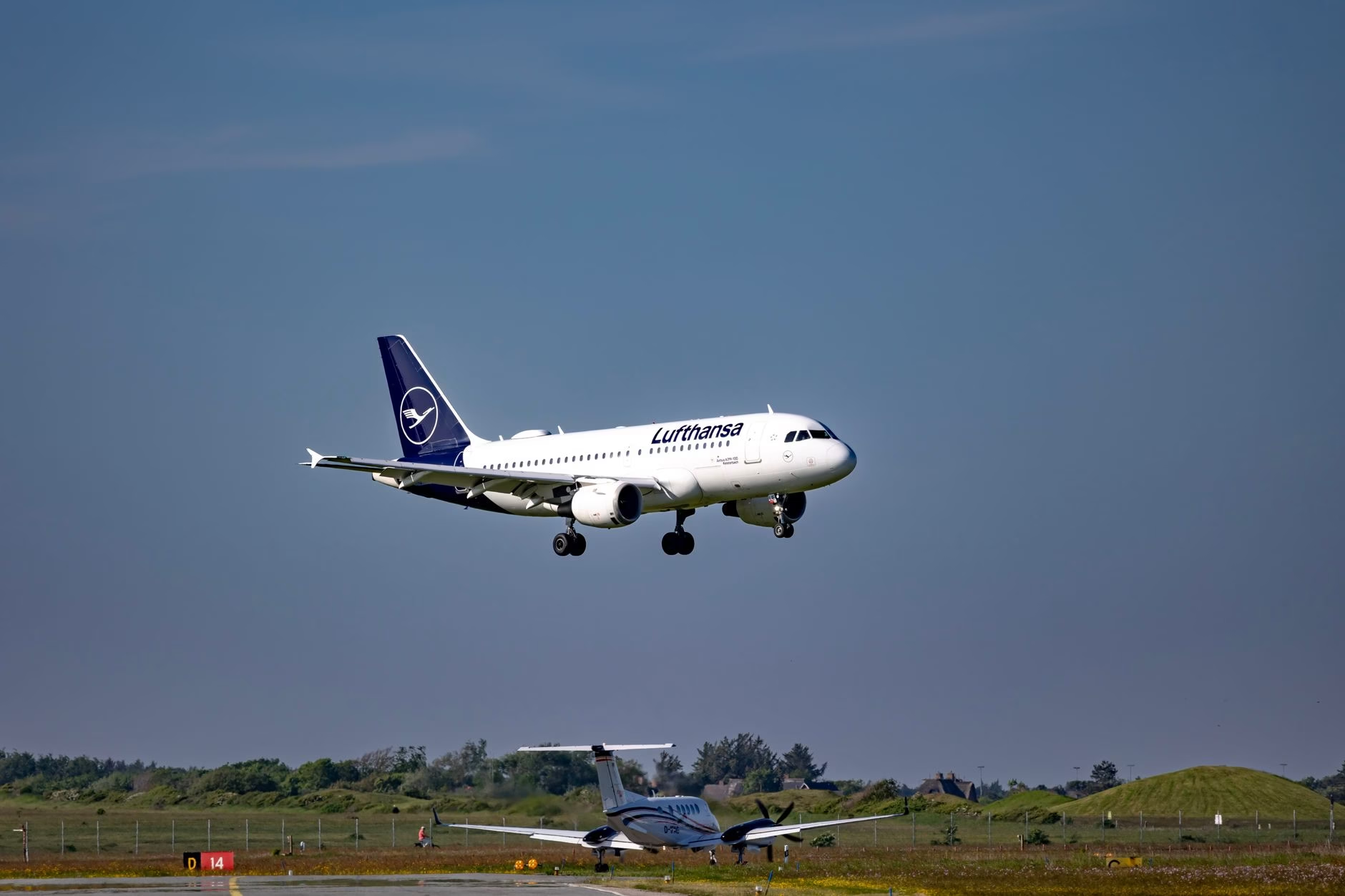
The landscape of travel within Germany is undergoing a noticeable transformation, with a clear trend emerging: a growing inclination among residents to explore destinations within their own borders. This shift signifies a significant change in consumer behavior, as domestic trips gain prominence while the frequency of foreign travel experiences appears to be moderating. This evolving preference has broad implications for the tourism sector, both domestically and internationally, prompting a closer examination of the underlying factors influencing these decisions.
This reorientation towards local exploration reflects a complex interplay of economic considerations, changing priorities, and a renewed appreciation for the diverse offerings available within Germany itself. Understanding these dynamics is crucial for stakeholders in the travel industry, as they adapt strategies to meet the demands of a population increasingly looking inward for their leisure and holiday pursuits.
Factors Driving Domestic Travel
Several key elements are contributing to the increased popularity of domestic travel among German residents. Economic factors often play a pivotal role in shaping travel decisions. When faced with global economic uncertainties or inflationary pressures, individuals may find domestic options more financially appealing. The costs associated with international flights, currency exchange, and higher overseas living expenses can make a local getaway a more budget-friendly alternative.
Convenience is another significant driver. Domestic travel typically involves shorter travel times, fewer logistical complexities, and often allows for spontaneous planning. The ease of accessing destinations by car or train, without the need for passports, visas, or extensive pre-departure preparations, adds to its appeal. This convenience translates into more relaxed travel experiences, reducing stress and maximizing leisure time.
The Appeal of Local Destinations
Germany boasts a rich tapestry of landscapes, cultural sites, and recreational opportunities, which are increasingly being rediscovered by its own citizens. From the picturesque coastlines of the North and Baltic Seas to the majestic Alps in the south, and encompassing vibrant cities, historic towns, and serene natural parks, the country offers a wide array of choices. This diversity means that travelers can find experiences ranging from active outdoor adventures to relaxing wellness retreats, all within national borders.
There is also a growing emphasis on sustainability and environmental consciousness. Choosing to travel domestically often entails a smaller carbon footprint compared to long-haul international flights. This aligns with the values of many modern travelers who are seeking more eco-friendly ways to enjoy their holidays. Supporting local businesses and communities through domestic tourism also resonates with a desire to contribute positively to the national economy.
Implications for International Travel
The observed dip in foreign travel among German residents is a direct consequence of this pivot towards domestic options. While international travel remains a cherished experience for many, its frequency may be impacted by the factors previously mentioned. This does not necessarily signal a complete abandonment of global exploration but rather a recalibration of priorities and travel patterns.
For international destinations that traditionally rely on German tourists, this shift presents a challenge. It necessitates a re-evaluation of marketing strategies and an emphasis on unique value propositions that can still attract travelers looking for distinct experiences that cannot be replicated domestically. The competitive landscape for international tourism is intensifying, requiring greater innovation and tailored offerings.
Economic and Environmental Considerations
The economic benefits of increased domestic tourism are substantial. A greater flow of tourist spending within Germany directly supports local businesses, creates employment opportunities, and stimulates regional economies. Hotels, restaurants, retail outlets, and service providers across the country stand to gain from this internal focus, fostering economic resilience.
From an environmental perspective, the trend towards domestic travel can contribute to broader sustainability goals. Reduced air travel, particularly for shorter trips, can lead to a decrease in greenhouse gas emissions. Furthermore, domestic tourism often encourages the development of sustainable infrastructure and practices within local communities, as destinations strive to preserve their natural and cultural heritage for future generations of visitors.
Looking Ahead: The Future of German Travel
The current trends suggest a sustained interest in domestic travel, potentially reshaping the long-term habits of German holidaymakers. While global travel will undoubtedly rebound and continue to attract many, the newfound appreciation for local and regional destinations is likely to endure. The convenience, cost-effectiveness, and environmental benefits associated with domestic trips are compelling factors that resonate with contemporary values.
For the German tourism industry, this presents a significant opportunity to further enhance and diversify its offerings, ensuring that domestic destinations remain attractive and competitive. Continued investment in infrastructure, sustainable practices, and innovative tourism products will be essential to capitalize on this evolving preference. As German residents continue to explore the richness of their own country, the domestic travel sector is poised for continued growth and innovation, solidifying its position as a cornerstone of the national economy and leisure landscape.





















Leave a Reply