


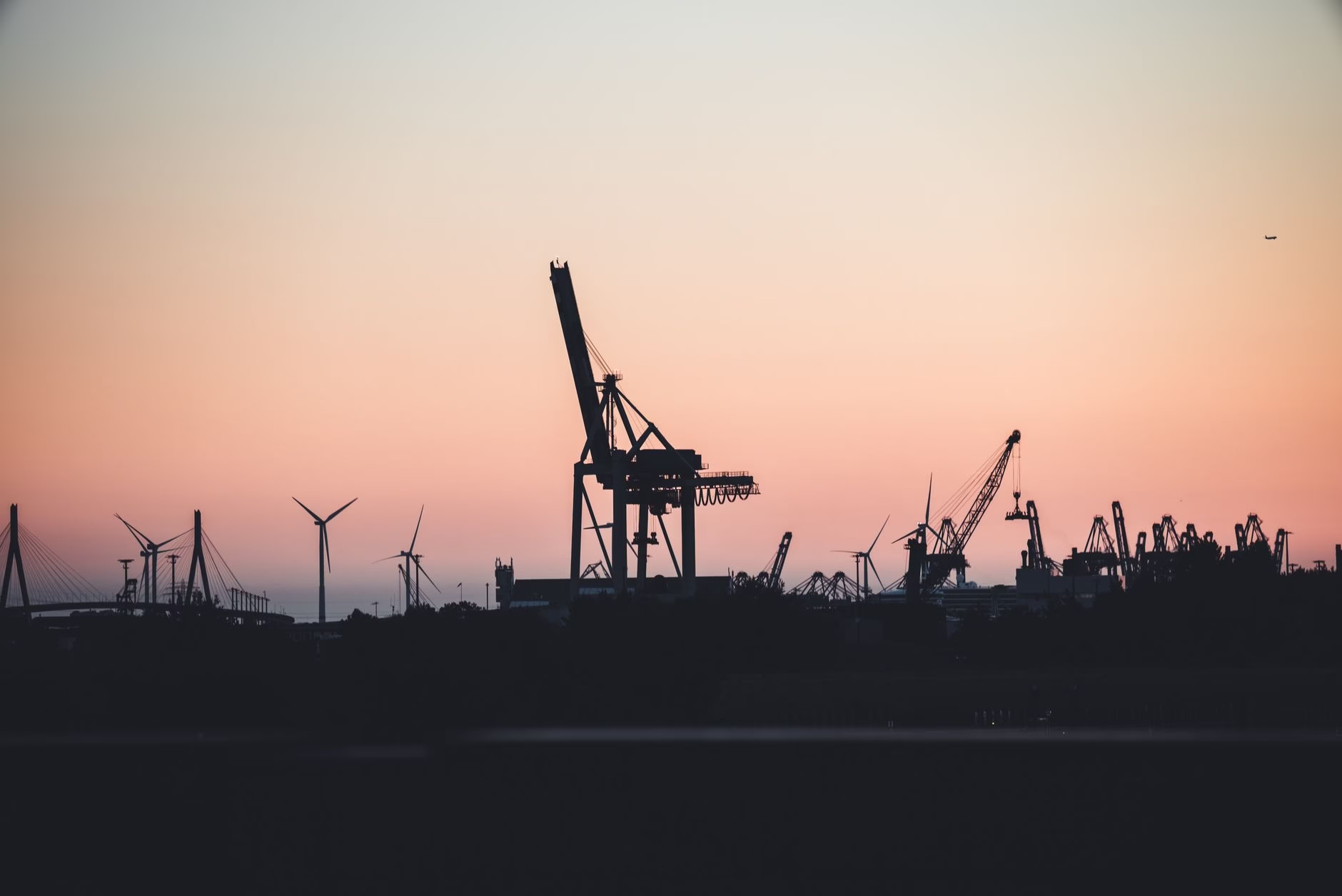
The German construction industry demonstrated remarkable vitality in June, marked by a substantial increase in new orders and a notable expansion in its workforce. This period saw an 11 percent surge in construction orders, reflecting a robust demand within the sector. Concurrently, employment figures reached a significant milestone, with 545,000 individuals now contributing to the industry’s operations. These developments underscore a period of considerable strength and positive momentum for Germany’s building and infrastructure landscape.
Analysis of Order Growth
The 11 percent rise in German construction orders during June represents a significant indicator of economic health and confidence. This upward trend suggests a strong pipeline of future projects, encompassing various segments such as residential, commercial, and public infrastructure. Such an increase typically reflects heightened investment activity from both private and public entities, signaling optimism about future economic conditions. A sustained growth in orders is crucial for the long-term stability and expansion of the construction sector, providing a clear signal of demand for building materials, services, and labor.
The implications of this growth extend beyond the immediate financial gains for construction firms. It points to an underlying demand that could be driven by several factors. These might include ongoing urbanization trends, the need for modern infrastructure upgrades, or a robust housing market responding to population dynamics. The consistent flow of new projects ensures that companies can plan for future capacity, invest in new technologies, and maintain a competitive edge. This positive trajectory in order intake is a fundamental driver for the entire construction ecosystem.
Employment Milestones Achieved
Parallel to the rise in orders, the German construction sector also celebrated a significant achievement in employment, reaching a total of 545,000 workers. This figure not only highlights the industry’s capacity for job creation but also its crucial role in the broader labor market. An expanding workforce in construction is often a barometer of economic confidence, as businesses hire more staff to meet growing demand and execute new projects. The increase in employment underscores the sector’s ability to attract and retain talent, contributing to overall economic stability.
The growth in employment can be attributed to the increased volume of work generated by the surge in orders. More projects require more hands, from skilled tradespeople to project managers and administrative staff. This expansion of the workforce is vital for sustaining the current growth trajectory and for ensuring that future projects can be delivered efficiently. Furthermore, a strong employment base within the construction sector often has a ripple effect, supporting ancillary industries that supply materials, equipment, and services. The 545,000 employed individuals represent a substantial contribution to Germany’s economic output and social welfare.
Underlying Drivers of Sectoral Strength
Several general factors could be contributing to the observed strength in the German construction sector. A generally stable economic environment often encourages investment in real estate and infrastructure. When businesses and consumers feel confident about the future, they are more likely to undertake construction projects, whether it is expanding commercial premises or investing in new homes. Government policies aimed at stimulating economic activity or addressing specific societal needs, such as housing shortages or infrastructure modernization, can also play a significant role.
The demand for new housing remains a persistent driver, influenced by demographic shifts and evolving living preferences. As populations grow or migrate, the need for residential units increases, fueling construction activity. Similarly, the ongoing necessity to upgrade and expand public infrastructure, including transportation networks, utilities, and public buildings, provides a consistent stream of projects. These foundational demands, coupled with a favorable economic climate, create fertile ground for the construction industry to thrive.
Economic Implications and Broader Impact
The robust performance of the German construction sector has wide-ranging implications for the national economy. As a significant contributor to the Gross Domestic Product (GDP), a flourishing construction industry can boost overall economic growth. The sector’s activities generate demand for a vast array of goods and services from other industries, including manufacturing (for building materials and machinery), logistics, and professional services. This interconnectedness means that growth in construction creates a multiplier effect throughout the economy.
Furthermore, a healthy construction sector contributes to national wealth through the creation of new assets, such as homes, offices, and infrastructure. These assets enhance productivity, improve living standards, and support future economic development. The employment generated by the industry also leads to increased consumer spending, further stimulating economic activity. The positive figures from June therefore signal not just sectoral strength but also a broader economic uplift for Germany.
Navigating Future Challenges and Opportunities
While the current figures paint a very positive picture, the construction sector, like any industry, faces potential challenges. These might include fluctuations in material costs, which can impact project profitability and timelines. Labor shortages, despite the recent employment growth, could also emerge as a concern, particularly for specialized skills. Regulatory changes and environmental considerations increasingly shape construction practices, requiring adaptation and innovation from firms.
However, these challenges also present opportunities for innovation and efficiency improvements. The industry’s ability to adopt new technologies, such as digital planning tools, modular construction techniques, or sustainable building materials, will be crucial for sustained success. Investing in workforce training and development can help address potential skill gaps. The strong foundation laid by the June figures provides a solid platform from which the German construction sector can navigate these complexities and continue its growth trajectory. The emphasis on sustainable practices and energy-efficient buildings also represents a significant area for future development and investment.
Conclusion
June proved to be a period of significant achievement for the German construction sector, marked by an impressive 11 percent increase in new orders and a substantial expansion of its workforce to 545,000 individuals. These statistics collectively underscore a dynamic and resilient industry that is a vital pillar of the German economy. The sustained demand for construction projects, coupled with a growing employment base, indicates a healthy outlook and a strong contribution to national prosperity. As the sector continues to evolve, its capacity for innovation and adaptation will be key to maintaining this positive momentum and addressing future demands.





















Leave a Reply