


Introduction to the Andean Cloud Forests
The misty and humid Andean cloud forests of Peru harbor some of the most extraordinary biodiversity on the planet. Amidst the dense foliage, moss-covered trees, and constant fog, a vibrant splash of color often catches the eye of observant travelers. This is the domain of the Gallito de las Rocas, widely known in English as the Andean cock-of-the-rock. Serving as the national bird of Peru, this remarkable creature captures the imagination of birdwatchers, photographers, and nature enthusiasts from all corners of the globe.
Physical Characteristics of the Gallito de las Rocas
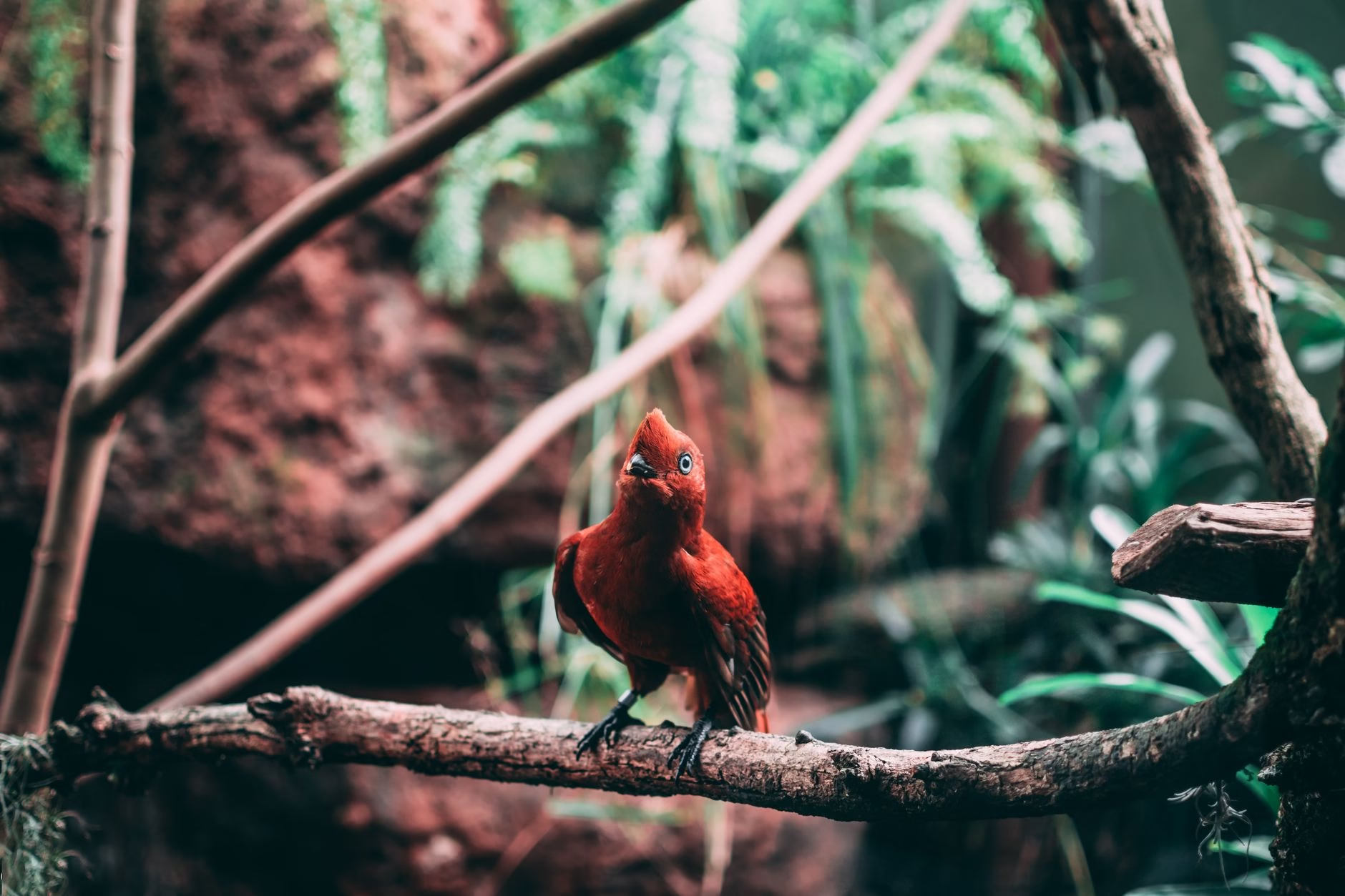
The male Gallito de las Rocas is famous for its breathtaking appearance. It boasts a brilliant plumage featuring striking shades of neon orange and deep scarlet. This vivid coloration contrasts sharply against the dark greens and browns of its natural jungle environment. Adding to its distinct look is a prominent, disk-like crest on its head, which arches gracefully over its bill. In stark contrast, the female of the species exhibits a much more subdued brownish-red coloration. This evolutionary trait provides the female with essential camouflage while she tends to nests and incubates eggs away from the prying eyes of potential predators.
Unique Courtship Rituals and Lekking Behavior
One of the most fascinating aspects of the Gallito de las Rocas is its elaborate mating ritual. Male birds gather in specific communal areas known as leks, sometimes numbering in the dozens, to display their beauty and vigor to prospective mates. During these gatherings, the males hop between branches, bow, flap their wings, and emit a series of bizarre grunts, squawks, and mechanical calls. The females arrive at the lek to observe these theatrical performances before selecting a partner. This complex social structure highlights the intricate behavioral adaptations of cloud forest avian species.
Habitat and Geographic Distribution
Thriving strictly within the eastern slopes of the Andes mountain range, the Gallito de las Rocas prefers elevations generally ranging from 1,500 to 8,000 feet above sea level. This specific altitude provides the exact temperature, humidity, and dense vegetation required for their survival. They spend the majority of their time in the middle and lower strata of the forest canopy, rarely venturing far into open areas where they would remain vulnerable to airborne and terrestrial predators.
Diet and Ecological Role in the Ecosystem
As primarily frugivorous birds, the diet of the Gallito de las Rocas consists heavily of a wide variety of wild forest fruits and berries. As they feed, these birds play a critical ecological role within the Andean cloud forest ecosystem. By consuming fruits whole and later regurgitating or passing the seeds elsewhere, they act as essential seed dispersers. This natural process helps regenerate forest flora, maintain plant diversity, and ensure the ongoing health of the fragile mountain habitat they call home.
Conservation Status and Human Impact
Despite holding iconic status as a national symbol, the Gallito de las Rocas faces several significant environmental threats. Deforestation driven by agriculture, illegal logging, and infrastructure development continuously shrinks the available habitat for these specialized birds. Additionally, historical pressures from the pet trade and the collection of feathers have impacted local populations in certain regions. Dedicated conservation efforts, protected reserves, and eco-tourism initiatives are now vital for safeguarding the future of this magnificent species.
Experiencing the National Bird Responsibly
For wildlife enthusiasts hoping to catch a glimpse of the Gallito de las Rocas in the wild, visiting established reserves in Peru is the best approach. Locations such as Manu National Park and various private cloud forest sanctuaries offer guided tours designed to minimize human disturbance. Observing these dazzling birds in their native environment provides a profound appreciation for the fragile beauty of the Andean cloud forests and underscores the ongoing importance of global biodiversity preservation.






















Leave a Reply