


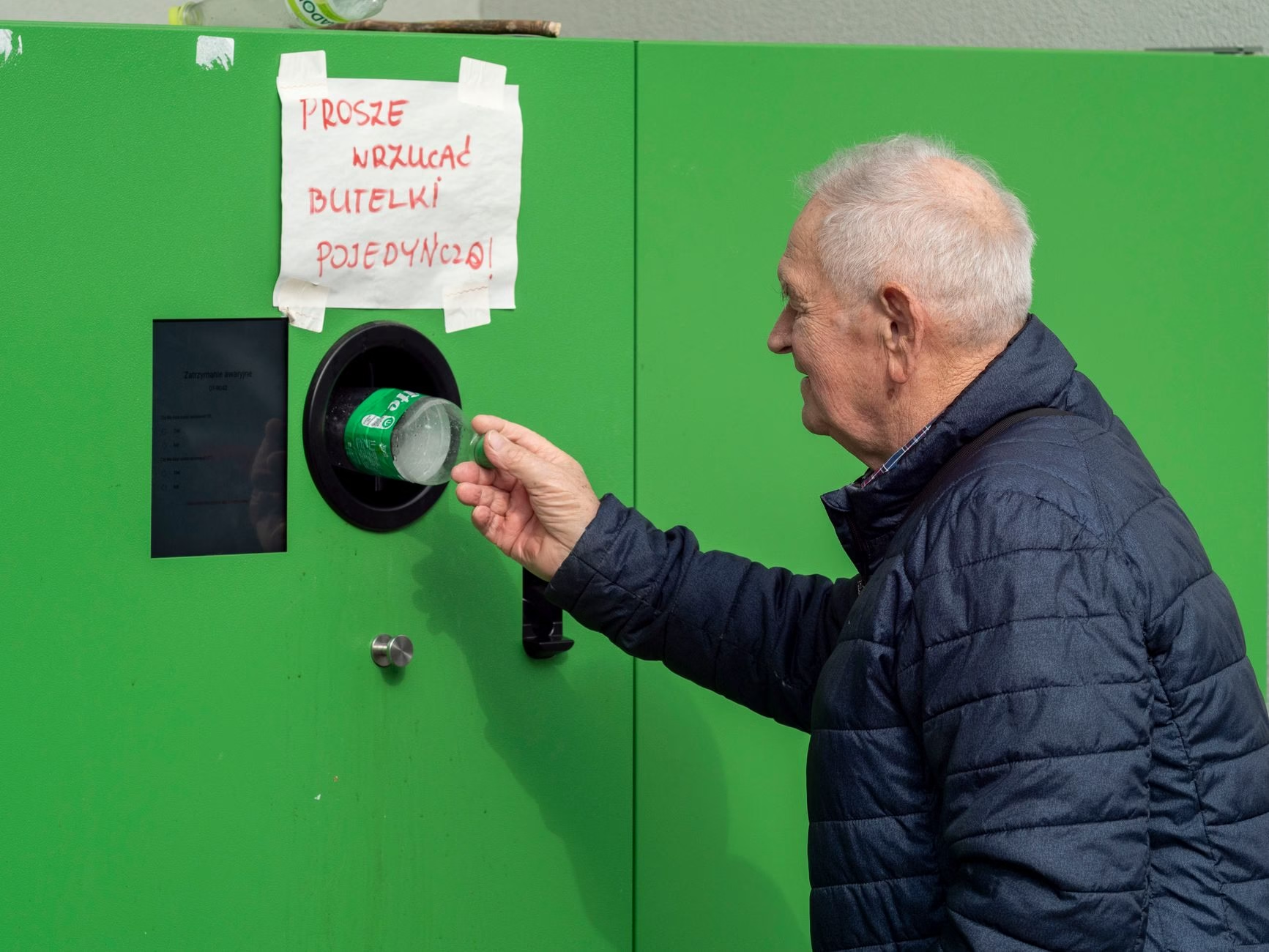
France Abandons Mandatory Plastic Bottle Deposit Scheme Amid Local Resistance
Introduction
The French government has officially decided to discard proposals for a nationwide mandatory plastic bottle deposit system. This policy reversal comes after months of intense debate and considerable opposition from various regional stakeholders and waste management authorities who questioned the effectiveness and financial feasibility of the initiative.
The Debate Over Recycling Reform
Proponents of the deposit return system initially argued that adding a financial incentive for returning plastic bottles would drastically improve national recycling metrics. By placing a small deposit fee on beverage containers, consumers would theoretically be more motivated to bring empty bottles back to designated collection points rather than tossing them into general waste bins.
However, the roadmap faced fierce pushback from local municipalities. City officials and waste management syndicates expressed deep concerns regarding the potential economic fallout. Many argued that a parallel deposit infrastructure would undermine existing municipal recycling systems, which local governments had spent decades developing and funding through local taxes.
Concerns from Local Authorities
Local leaders emphasized that a new national deposit scheme could cannibalize the valuable materials currently processed by public sorting facilities. Plastic bottles and aluminum cans represent a significant portion of the revenue that local authorities generate from recycling streams. Stripping these items away could leave municipal waste management programs with a funding deficit, ultimately forcing local taxpayers to shoulder the financial burden.
Furthermore, critics pointed out the logistical challenges of establishing thousands of automated collection points across both dense urban centers and rural communities. Retailers also voiced apprehension about the spatial requirements needed to house reverse vending machines inside supermarkets and grocery stores, particularly in cramped city locations.
Alternative Approaches to Waste Reduction
Following the abandonment of the mandatory deposit plan, policymakers are shifting their focus toward alternative methods to curb plastic pollution and enhance packaging circularity. Emphasis is now being placed on optimizing current curbside sorting technologies and expanding the coverage of existing yellow bins to capture a broader range of recyclable materials.
Environmental organizations have expressed disappointment over the policy shift, warning that France risks missing its European Union recycling targets without bold and disruptive measures. Conversely, industry associations and municipal groups have welcomed the decision, advocating for a collaborative approach that reinforces existing sorting infrastructure instead of introducing parallel systems.
Looking Ahead
The decision highlights the complex balancing act governments face when attempting to align ambitious environmental goals with practical, on-the-ground realities. As France reevaluates its waste management strategy, the focus remains on finding sustainable solutions that satisfy European directives while protecting municipal finances and respecting the concerns of local communities.






















Leave a Reply