


Introduction to National Preparedness
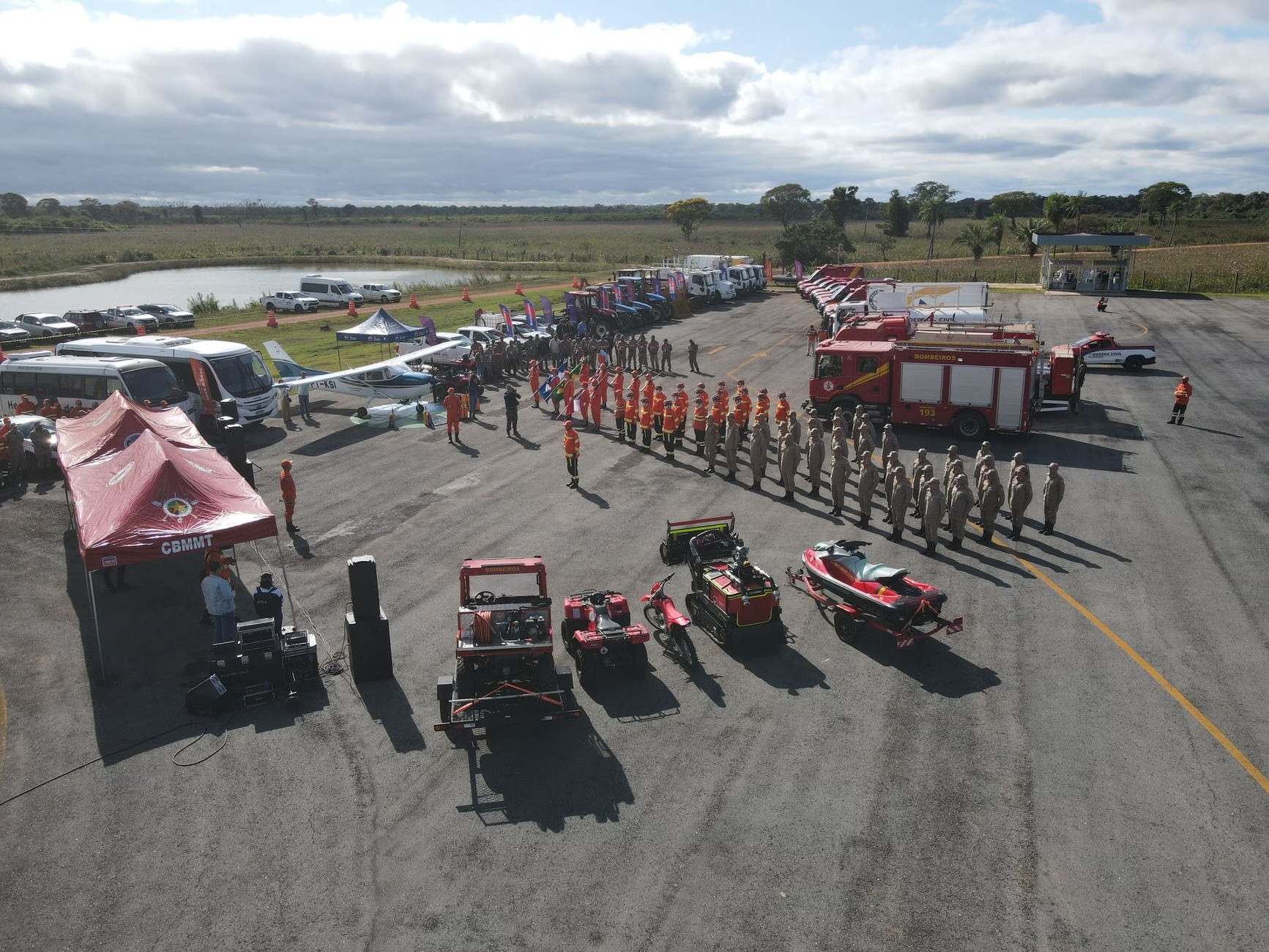
Finland has launched a massive civil defense exercise, marking the largest operation of its kind since the conclusion of the Second World War. The extensive drills are designed to test and strengthen the resilience of the nation against potential large-scale emergencies and security threats. Authorities across the country are coordinating closely with municipal services, volunteer networks, and emergency responders to ensure that all layers of society are ready to act swiftly.
The context of these drills involves a watchful approach to regional dynamics and geopolitical shifts in Europe. While daily life in the Nordic nation continues normally, strategic planners emphasize the importance of proactive readiness. By conducting comprehensive simulations, the government aims to identify any gaps in infrastructure and communication channels before an actual crisis occurs.
Mobilizing Communities and Infrastructure
The scale of the current exercise encompasses a wide array of scenarios, ranging from cyber disruptions to mass evacuations and critical infrastructure failures. Municipalities are practicing how to maintain essential services such as water, electricity, and healthcare under severe strain. Specialized teams are also testing emergency shelter networks, ensuring that underground facilities are fully equipped to house residents if necessary.
Volunteer organizations play a pivotal role in these operations. Thousands of citizens have stepped forward to participate in various capacities, demonstrating a deeply ingrained societal commitment to national security. This culture of comprehensive security relies heavily on the active involvement of everyday people who undergo regular training to support professional emergency personnel.
Enhancing Cross-Sector Cooperation
A key objective of the nationwide drills is to foster seamless collaboration between public authorities, private enterprises, and military sectors. Modern crises rarely affect just one domain, making integrated response strategies vital for minimizing damage. Supply chains, logistics providers, and energy companies are all participating in tabletop and field simulations to test their ability to sustain operations during prolonged disruptions.
Lessons learned from these extensive exercises will be integrated into future national defense strategies. Officials note that continuous adaptation is necessary in an unpredictable global landscape. By maintaining a high state of readiness, the country reinforces its deterrent posture while simultaneously reassuring its population through structured, methodical preparation.
Conclusion on Long-Term Resilience
The ongoing civil defense maneuvers highlight a fundamental philosophy of preparedness that has defined the nation for decades. Rather than reacting to events as they unfold, authorities prioritize systematic planning and community-wide education. Through these historic exercises, the country continues to set a benchmark for civil preparedness and crisis management in the modern era.


















Leave a Reply