


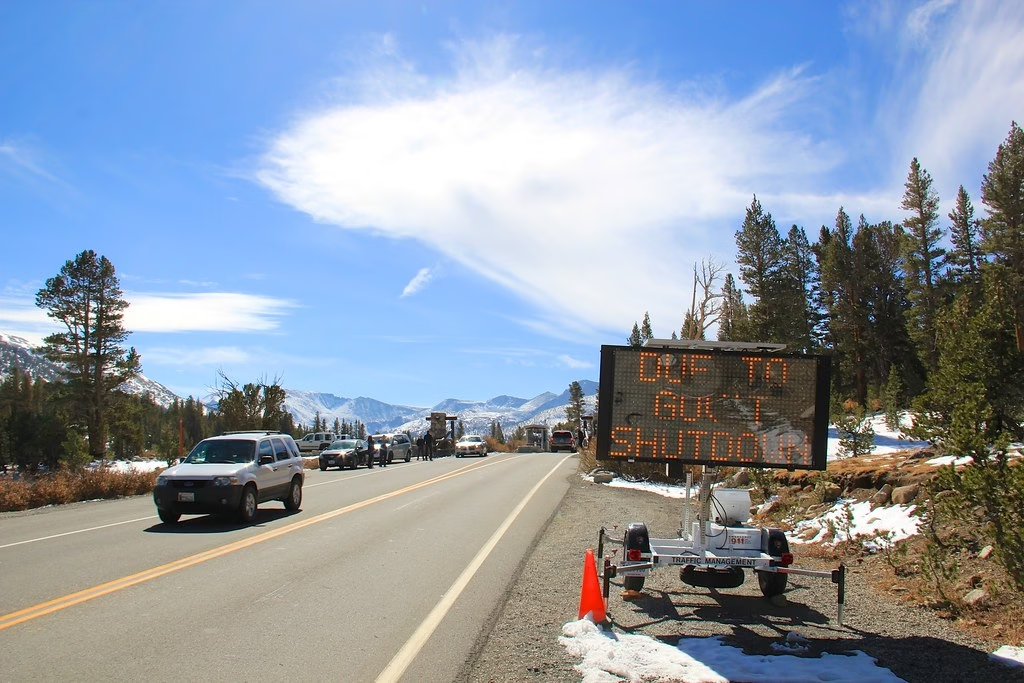
A federal judge in California dismissed a lawsuit on Tuesday brought by Sheldon Johnson, a former Yosemite National Park ranger who alleged he was wrongfully terminated after hanging a large transgender pride flag at a park entrance in 2021. U.S. District Judge Ana de Alba ruled that Johnson’s firing did not violate his constitutional rights, effectively ending a legal battle that centered on the intersection of federal workplace regulations and individual expression.
The Context of the Controversy
The dispute began in June 2021 when Johnson, then a seasonal employee, draped a 20-foot transgender pride flag over a stone sign at the entrance of Yosemite National Park. Johnson stated he intended to demonstrate inclusivity and support for the LGBTQ+ community during Pride Month.
National Park Service (NPS) officials removed the flag shortly after it was displayed, citing agency policies regarding the use of government property. Johnson was subsequently terminated from his position, with the park service maintaining that he had violated federal regulations prohibiting unauthorized displays on park infrastructure.
Legal Arguments and Court Findings
In his lawsuit, Johnson argued that his termination constituted retaliation for exercising his First Amendment right to free speech. His legal team contended that the flag was a form of symbolic expression protected under federal law and that the NPS acted inconsistently by allowing other types of displays.
Judge de Alba’s ruling focused on the specific nature of government property and the limitations placed on federal employees. The court determined that the park entrance is a non-public forum where the government may impose reasonable restrictions on speech to maintain the neutral appearance of federal facilities.
The ruling emphasized that when employees speak as part of their official duties or utilize government property to convey a message, their speech is subject to employer control. The judge concluded that the NPS had a legitimate interest in preventing the unauthorized use of park signs, which are intended for official information and park branding.
Broader Implications for Federal Employees
The case highlights the ongoing tension between personal advocacy and professional conduct within federal agencies. Legal experts note that this decision reinforces the





















Leave a Reply