


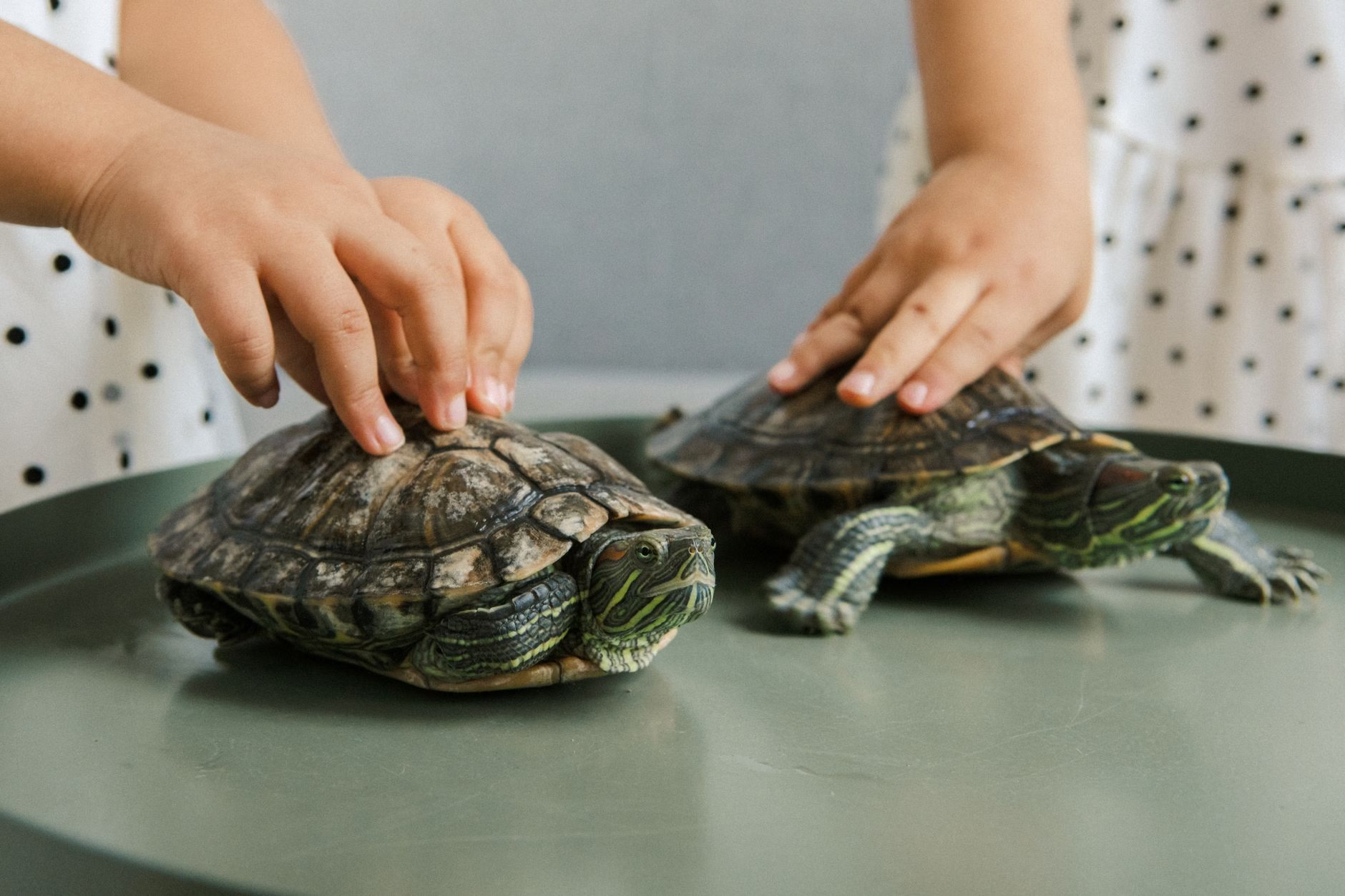
Integrating animals into educational settings offers a unique and impactful approach to student development. Contemporary research indicates that consistent interaction with pets can significantly contribute to young individuals’ capacity to refine their social competencies and effectively manage their emotions. This symbiotic relationship between students and classroom animals, when managed with diligent care, presents a wealth of advantages that extend beyond traditional academic learning.
Fostering Social-Emotional Development
The presence of a classroom pet provides a tangible, living subject through which students can practice and enhance crucial social and emotional skills. Observing an animal’s needs and behaviors encourages children to develop a deeper understanding of non-verbal cues and to communicate gently and respectfully. This daily interaction serves as a practical lesson in empathy, as students learn to consider the feelings and requirements of another living being.
Furthermore, the shared responsibility for a class pet can naturally lead to improved peer interactions. Students often collaborate on care tasks, fostering teamwork and communication. They learn to negotiate roles, share duties, and resolve minor conflicts, all while working towards a common goal: the well-being of their animal companion. This collective effort strengthens the classroom community and builds a supportive environment where social skills can flourish.
Cultivating Responsibility and Care
A fundamental aspect of having a classroom pet is the inherent lesson in responsibility. Students are often involved in various care routines, such as feeding, cleaning habitats, and ensuring the animal has fresh water. These tasks, though seemingly simple, instill a profound sense of duty and commitment. Children learn the importance of consistency and the direct impact their actions have on another’s welfare.
Understanding that a living creature depends on their diligent efforts teaches valuable lessons about accountability. This hands-on experience goes beyond theoretical instruction, providing real-world consequences and rewards for responsible behavior. It helps students grasp the concept of cause and effect, reinforcing the idea that consistent care leads to a healthy and happy pet, while neglect has detrimental outcomes.
Enhancing Empathy and Compassion
Direct interaction with a classroom pet is a powerful catalyst for developing empathy and compassion. Students learn to recognize signs of comfort or distress in an animal, prompting them to respond with kindness and understanding. This process extends beyond the animal, often translating into more considerate interactions with their peers and a greater capacity for understanding diverse perspectives.
The act of nurturing a pet can also provide emotional comfort and a sense of connection, particularly for students who may be experiencing personal challenges. The unconditional presence of an animal can offer a calming influence, creating a safe space for emotional expression and fostering a sense of belonging within the classroom. This emotional support is invaluable for overall student well-being.
Promoting Scientific Observation and Learning
Classroom pets offer an unparalleled opportunity for hands-on scientific observation. Students can learn about animal biology, behavior, and life cycles firsthand. They can observe feeding habits, sleep patterns, social interactions, and adaptations, transforming abstract biological concepts into engaging, tangible experiences.
Teachers can integrate the pet into various curriculum areas, from writing descriptive essays about the animal to conducting simple experiments on its preferences or reactions. This direct engagement with a living organism sparks curiosity, encourages critical thinking, and provides a dynamic context for scientific inquiry, making learning more memorable and impactful.
Creating a Positive Classroom Environment
The presence of a classroom pet can significantly contribute to a more positive and engaging learning atmosphere. Animals often have a calming effect, reducing stress and anxiety levels among students. A quiet hamster scurrying in its wheel or a fish swimming peacefully can provide a gentle distraction that helps students refocus and relax.
Moreover, a class pet can serve as a unifying element, fostering a shared sense of ownership and pride among students. It becomes a focal point for discussion, a source of joy, and a unique aspect of their classroom identity. This shared experience strengthens bonds between students and between students and their teacher, creating a more cohesive and supportive educational community.
Ensuring Responsible Pet Ownership in Schools
The numerous benefits of classroom pets are contingent upon one critical factor: proper care. Implementing a class pet program requires careful planning and a commitment to animal welfare. Educators must ensure they have the resources, knowledge, and support necessary to provide a safe, healthy, and stimulating environment for the animal.
This includes establishing clear guidelines for student interaction, regular cleaning schedules, appropriate nutrition, and access to veterinary care. Consideration must also be given to potential allergies among students and staff, as well as the suitability of the chosen animal for a classroom setting. With thoughtful planning and dedicated oversight, a classroom pet can be a truly enriching addition to the educational landscape, providing invaluable lessons in responsibility, empathy, and social development for all students involved.






















Leave a Reply